Why Ranveer Singh did not promote Dhurandhar: Marketer explains strategy
Source Entity
The Indian Express
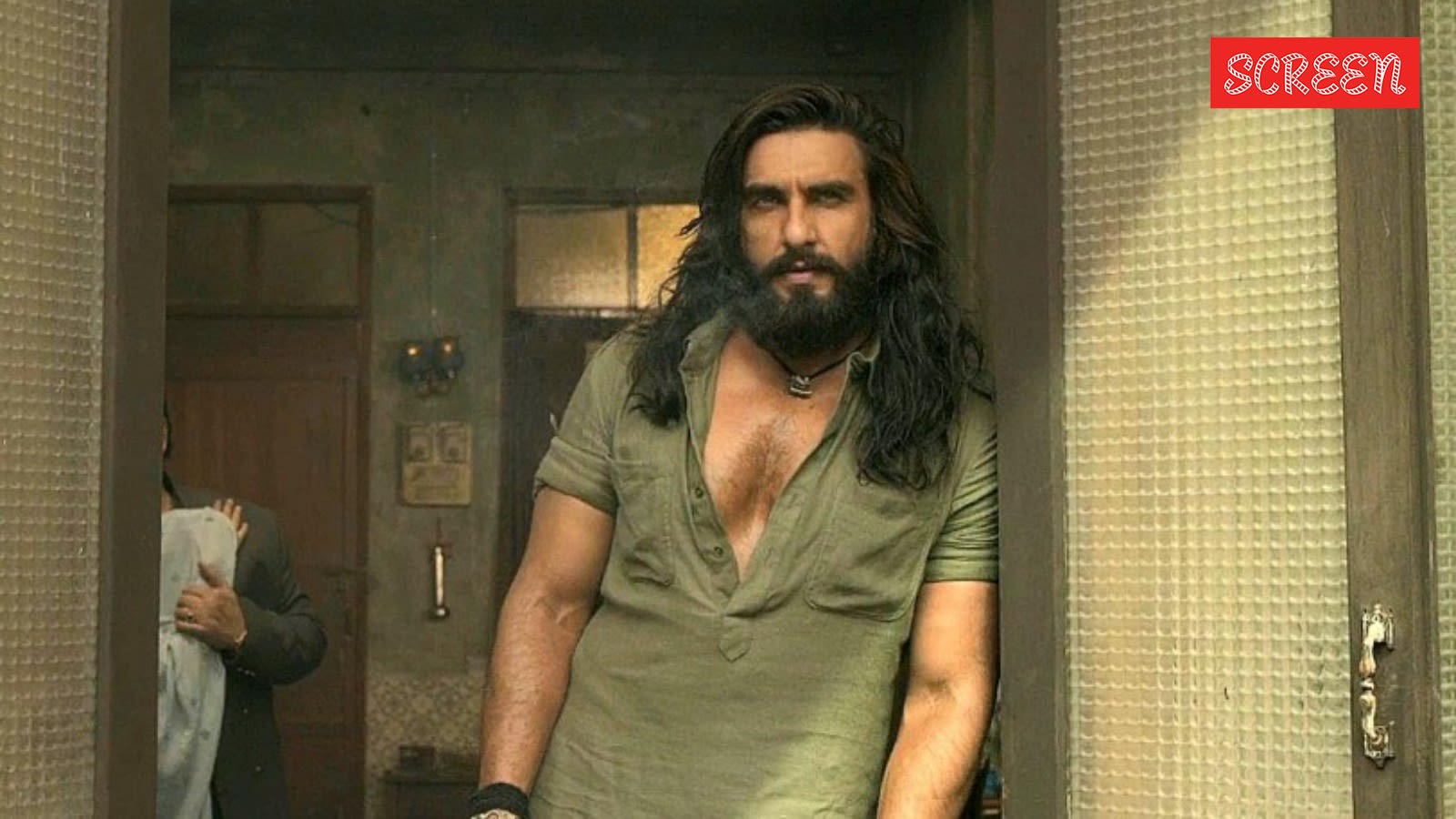
Marketing expert Varun Gupta revealed that the unconventional promotional strategy for the blockbuster franchise 'Dhurandhar' was a calculated risk. Despite criticism, the film and its sequel achieved massive global success, grossing over Rs 3,100 crore.
The Strategic Silence: Decoding the Marketing of 'Dhurandhar'
In the high-stakes world of modern Indian cinema, promotional campaigns are typically characterized by relentless media blitzes and star-studded appearances. However, the release of Dhurandhar, directed by Aditya Dhar and starring Ranveer Singh, defied industry norms. Varun Gupta, founder of Max Marketing—the agency previously responsible for the massive campaigns behind RRR, Animal, and Kalki 2898 AD—recently shed light on why the lead actor did not engage in traditional promotional activities for the film.
An Unconventional Approach
According to Gupta, the decision to limit Ranveer Singh’s promotional presence was not an oversight but a deliberate, early-stage strategic choice. By eschewing the standard saturation model, the marketing team aimed to build organic anticipation and maintain a specific aura around the project. This unconventional path was designed to pique curiosity rather than provide audiences with constant, possibly overwhelming, exposure to the lead star.
Trust and Creative Synergy
Central to this strategy was the unwavering trust placed in Max Marketing by Aditya Dhar and his production house, B62 Studios. Gupta emphasized that successful film marketing often requires a departure from traditional templates. By allowing the agency the freedom to experiment with the film’s narrative rollout, the production team ensured that the marketing was as cohesive as the film’s creative vision, even when faced with public criticism regarding the lack of traditional promotion.
Navigating Public Scrutiny
Marketing a high-budget film without the usual star-led promotional circuit invites skepticism from both fans and trade analysts. Gupta acknowledged that the campaign faced significant criticism during its infancy. However, the agency remained committed to the strategy, prioritizing the long-term impact on the audience's perception of the film over short-term social media chatter. This resilience proved vital in maintaining the narrative control necessary for the film's unique market positioning.
A Historic Box-Office Triumph
The gamble paid off in spectacular fashion. Released on December 5, 2025, Dhurandhar became a massive box-office success, setting the stage for its sequel, Dhurandhar: The Revenge, which arrived on March 19, 2026. The franchise’s combined global earnings of over Rs 3,100 crore highlight a significant shift in audience engagement, suggesting that star power can be effectively channeled through curated, selective presence rather than sheer volume.
Future Implications for Film Marketing
The success of the Dhurandhar franchise serves as a case study for the evolving landscape of film distribution and promotion. As audiences become increasingly savvy and perhaps fatigued by traditional marketing saturation, the 'less is more' strategy adopted by Max Marketing may become a blueprint for future blockbusters. By focusing on the intrinsic quality of the product and high-level strategic mystery, filmmakers may find more sustainable ways to generate massive box-office returns.