Mathematical texts from a Maya site in Guatemala identify an ancient astronomer
Source Entity
Hacker News
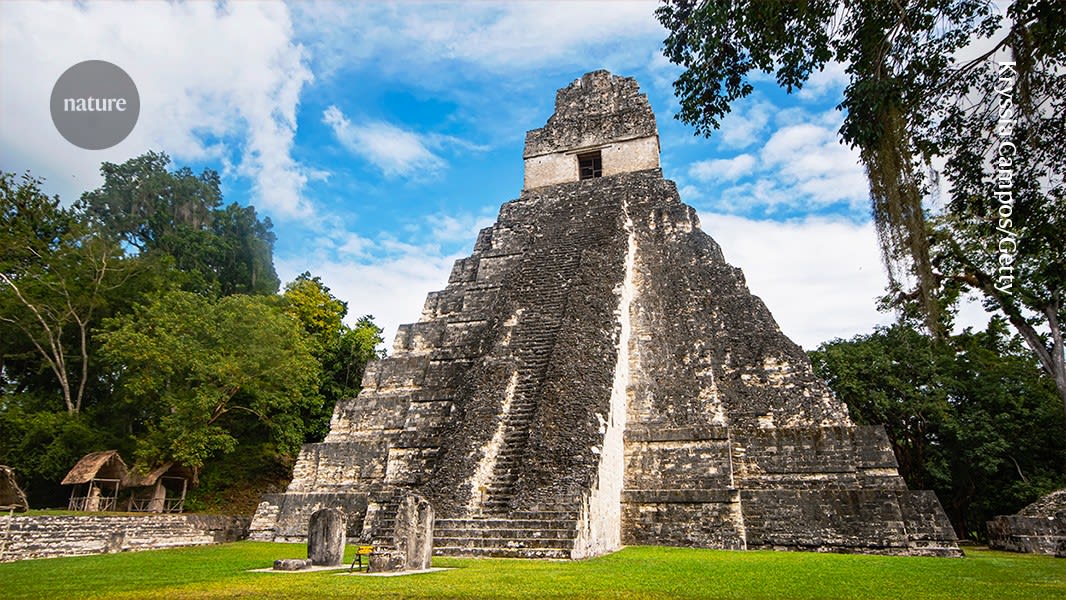
Archaeologists in Guatemala have discovered mathematical texts from a Maya site that specifically identify an ancient astronomer, providing rare insight into individual intellectual contributions within Maya civilization.
Discovery of an Ancient Maya Astronomer
Recent archaeological findings at a Maya site in Guatemala have revealed mathematical texts that do more than just record data; they identify a specific individual as an astronomer. This discovery is significant because it moves the historical narrative of Maya scientific achievement from a generalized cultural capability to the recognition of individual intellectual agency.
The Sophistication of Maya Mathematics
To understand the weight of this discovery, one must consider the complexity of the Maya mathematical system. The Maya utilized a vigesimal (base-20) system and were one of the earliest civilizations to independently develop the concept of zero. This mathematical framework allowed them to perform incredibly complex calculations regarding planetary cycles and solar eclipses, which were then recorded in codices and inscribed on stone stelae.
Individualization of Ancient Science
Typically, ancient texts from the Maya region focus on the divine right of kings or the cyclical nature of time. The identification of a specific astronomer suggests a professionalization of science within Maya society. It indicates that certain individuals were credited with the mastery of celestial movements, acting as the keepers of time and predictors of astronomical events, which were crucial for agricultural planning and religious ceremonies.
Broader Implications for Mesoamerican History
This find underscores the high level of literacy and specialization present in ancient Guatemala. By linking specific mathematical texts to a named individual, researchers can better understand how scientific knowledge was transmitted and preserved across generations. It suggests a structured academic or priestly class dedicated to the empirical observation of the cosmos.
Conclusion
While the discovery is focused on a single site, it provides a window into the intellectual rigor of the Maya civilization. The ability to name a scientist from thousands of years ago humanizes the ancient world and reinforces the Maya's position as masters of early mathematics and astronomy.