Never Expelled From BSP: Mayawati Sets Record Straight On Nephew Akash Anand
Source Entity
NDTV News Search Records Found 1000
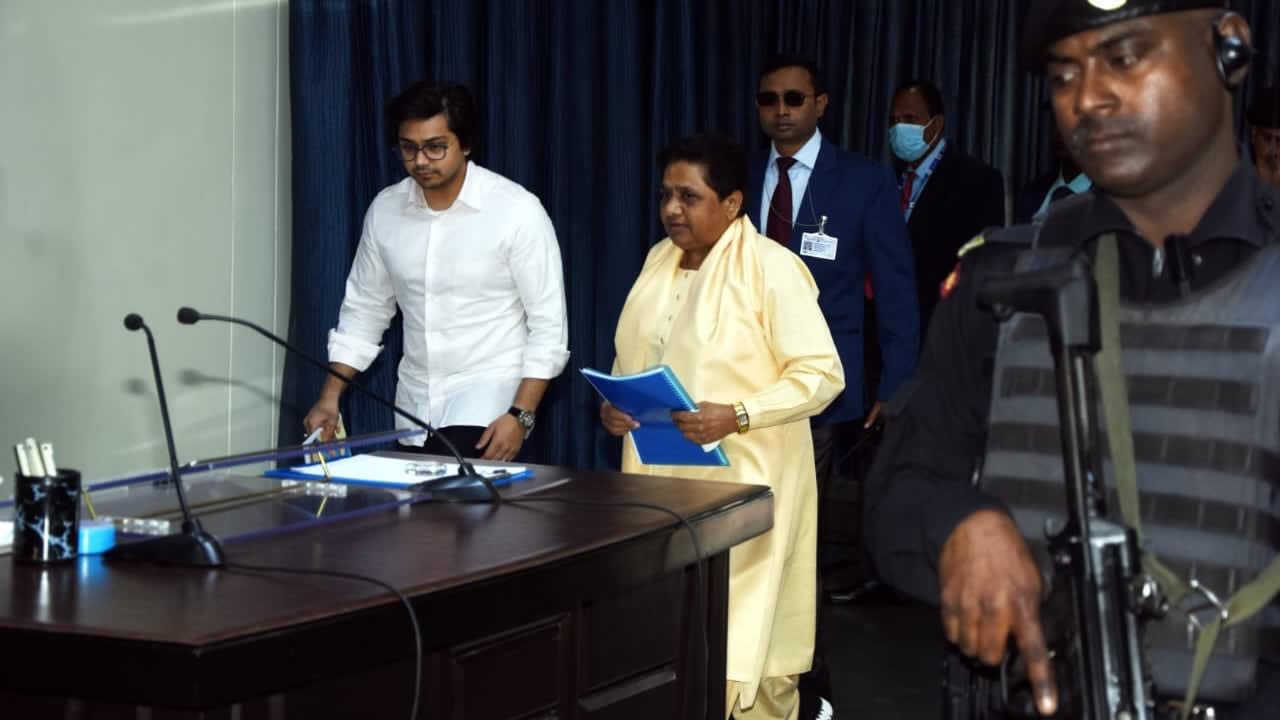
BSP Chief Mayawati has clarified that her nephew, Akash Anand, was never permanently expelled from the party. His recent reappointment as national convenor marks a significant consolidation of leadership within the Bahujan Samaj Party.
The Political Reinstatement of Akash Anand
Bahujan Samaj Party (BSP) supremo Mayawati has officially clarified the status of her nephew, Akash Anand, following his recent reappointment as the party’s national convenor. The announcement serves to put an end to ongoing speculation regarding the internal hierarchy of the BSP and the permanence of previous disciplinary actions. By explicitly stating that Anand was never permanently expelled, Mayawati has effectively signaled a return to the succession strategy she initiated prior to the recent electoral cycles.
Contextualizing the Leadership Shift
The reappointment is a critical development for the BSP, which has been navigating a challenging political landscape in India. Akash Anand, who had been positioned as Mayawati's heir apparent, faced a temporary sidelining during the heat of recent election campaigns. The clarification that this was not a permanent expulsion suggests that the party leadership views his role as vital to the long-term organizational structure and the mobilization of the party's core support base.
Strategic Implications for the BSP
For a party that relies heavily on the legacy and personal authority of its leader, the return of Akash Anand to a high-ranking position indicates a focus on generational transition. The move is likely intended to stabilize the party cadre, which may have been unsettled by the ambiguity surrounding his status. By reaffirming his position, Mayawati is signaling to the rank-and-file that the transition plan remains intact, despite any tactical adjustments made during the recent political season.
Historical Precedents and Organizational Discipline
Historically, the BSP has maintained a rigid top-down command structure where disciplinary actions are often used to maintain party unity and ideological purity. The assertion that Anand was never 'expelled' serves as a strategic narrative, allowing the leadership to maintain authority while simultaneously correcting internal course. This maneuver highlights the complex nature of dynastic succession within regional political parties, where the balancing act between public perception and internal control is constant.
Future Trends and Political Outlook
Looking ahead, the reinstatement of Akash Anand will likely be followed by a period of organizational restructuring. As the party looks to regain its footing in national and state politics, the role of the national convenor will be pivotal in bridging the gap between the veteran leadership and the younger voter demographic. The move suggests that Mayawati is prioritizing internal cohesion to address the broader electoral challenges currently facing the BSP in the national political arena.
Conclusion
In summary, the clarification issued by Mayawati regarding Akash Anand is a decisive move to solidify the BSP’s leadership structure. By rectifying the narrative surrounding his status, the party is positioning itself to move forward with a unified front. The focus now shifts to how this leadership team will navigate future electoral battles and whether this reinstatement will succeed in revitalizing the party's influence in its traditional strongholds.
Verification Required?