East Delhi colony residents wanted senior citizens’ centre on empty plot. DDA has other plans
Source Entity
Devansh Mittal
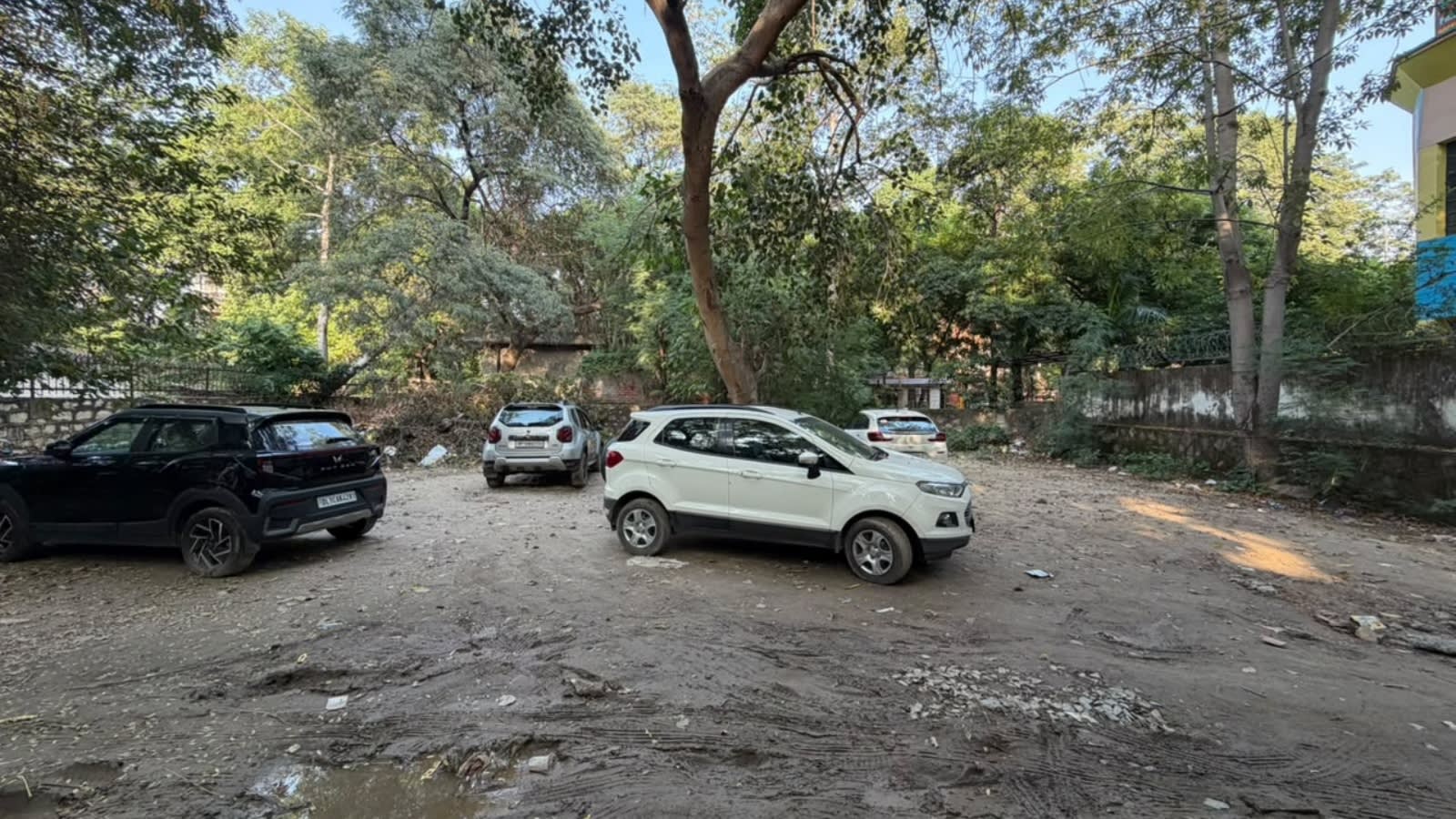
Residents of a Mayur Vihar Phase III colony are lobbying the DDA to convert a vacant 599-square-metre plot into a senior citizens' centre. The land, formerly a dumping ground, is currently being used for parking despite community hopes for a dedicated social space.
The Conflict Over Urban Space in Mayur Vihar
In the quiet, tree-lined residential corridors of Mayur Vihar Phase III, East Delhi, a localized but significant struggle over urban land use is unfolding. The community, characterized by its three-storey Delhi Development Authority (DDA) housing blocks and a slower, nostalgic pace of life, has set its sights on a 599-square-metre vacant plot. This land, situated at the edge of the colony, serves as a focal point for the residents' aspirations to improve local infrastructure and social cohesion.
A History of Neglect and Adaptation
The plot in question has a checkered history. Once used as a dumping ground for horticultural waste and fallen leaves, the site fell into a state of neglect that posed safety risks to the neighborhood, including the sighting of snakes. Residents took the initiative to clean the area, inadvertently transforming it into an ad-hoc parking space. This transition highlights a common urban phenomenon in Delhi, where residents repurpose neglected public land to meet immediate community needs in the absence of proactive municipal management.
The Vision for Community Infrastructure
For the residents of this Mayur Vihar colony, the vacant lot represents more than just square footage; it is viewed as a prime location for a senior citizens' centre. Given the demographics of these established DDA colonies, where many original residents have aged in place, the demand for dedicated social spaces is acute. A senior citizens' center would provide a vital hub for interaction, wellness, and recreation, effectively utilizing a space that currently sits between a play school and a Delhi Jal Board pumping station.
The DDA and Urban Planning Challenges
The Delhi Development Authority (DDA), as the primary land-owning agency, holds the ultimate authority over the plot's future. The tension arises from the DDA’s broader, often opaque, planning objectives which may not align with the hyper-local desires of the colony's residents. While the residents advocate for a community-centric facility, the DDA’s bureaucratic mandate often favors commercial or alternative institutional utility, leading to a disconnect between urban planners and the end-users of the city’s spaces.
Broader Implications for Delhi’s Colonies
This situation serves as a microcosm for the larger challenge of urban renewal in East Delhi. As these older housing colonies age, the pressure to repurpose underutilized land grows. The competition for space—whether for parking, social infrastructure, or municipal utilities—highlights the need for a more participatory urban planning process. Without a clear framework for community input, such disputes are likely to continue, pitting the immediate welfare of residents against the rigid development agendas of state agencies.
Future Outlook
As the dialogue between the residents and the DDA continues, the case remains a test of municipal responsiveness. The outcome will likely influence how other neighborhoods in East Delhi approach the transformation of vacant plots. Whether the DDA agrees to the residents' proposal or pushes for an alternative development will determine the quality of life for the elderly population in the area and set a precedent for future land-use conflicts in similar DDA residential enclaves.