MBS risks more F-15s: Houthis identify Saudi warplanes behind 37 strikes in Yemen, vow revenge?
Source Entity
Latest News: Todays Latest News Headlines from India & World | Hindustan Times | Hindustan Times
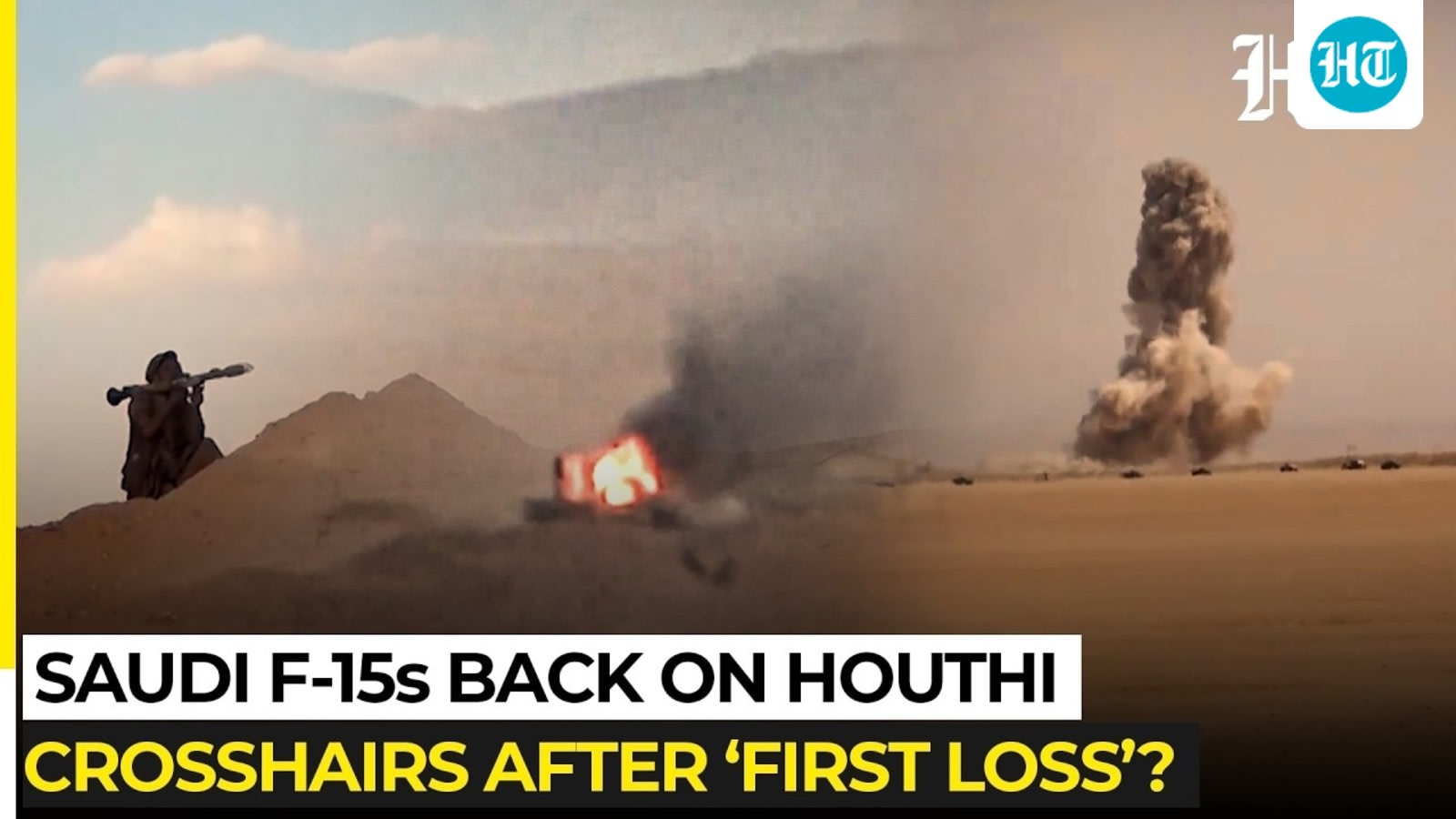
Tensions have escalated as the Houthis report a surge in Saudi-led airstrikes across Yemen, including 37 strikes in a single day. The group has vowed retaliation, deepening the conflict as they simultaneously push to secure control over the country's Red Sea coastline.
Escalation in the Yemen Conflict: Saudi Air Operations and Houthi Retaliation
Recent developments in the long-standing conflict in Yemen have seen a marked increase in military activity, with Houthi officials reporting a surge in Saudi-led airstrikes. According to reports, Houthi authorities identified Saudi F-15 fighter jets as the primary assets behind 37 distinct strikes conducted within a 24-hour period. These operations targeted various regions, most notably Taiz and Hajjah, signaling an intensification of aerial campaigns intended to counter Houthi influence.
The Strategic Role of Saudi Air Power
The reliance on F-15 fighter jets by Saudi Arabia remains a central component of their military strategy in Yemen. However, this dependence has become a point of contention and vulnerability. Following previous claims regarding the shootdown of a Saudi F-15, the continued use of these sophisticated platforms has drawn increased scrutiny. The Houthis’ ability to identify and track these specific aircraft suggests a heightened focus on neutralizing the Saudi aerial advantage, potentially through advanced air defense measures or strategic propaganda aimed at undermining the morale of coalition forces.
Houthi Territorial Ambitions on the Red Sea
Parallel to the aerial bombardment, the ground reality is shifting rapidly. Reports indicate that the Houthis have launched a significant, lightning offensive aimed at capturing the entirety of Yemen’s Red Sea coastline. This move is highly strategic, as the Red Sea represents a critical maritime artery for global trade. By attempting to consolidate control over this region, the Houthis are signaling their intent to expand their operational reach and exert greater pressure on regional maritime security.
The Vow for Retaliation
The Houthi leadership has explicitly vowed revenge against Saudi forces in response to the recent airstrikes. This rhetoric typically precedes asymmetric responses, which could include drone or missile strikes aimed at Saudi infrastructure. Given the high tempo of recent operations, the risk of a miscalculation or a major escalatory event has grown, putting further strain on already fragile ceasefire efforts and humanitarian conditions in the region.
Broader Geopolitical Implications
The intersection of intensified airstrikes and the Houthi push for the coast creates a volatile environment. As Saudi Arabia attempts to degrade Houthi capabilities via the air, the Houthi movement is attempting to solidify its territorial footprint on the ground. This cycle of violence underscores the difficulty of achieving a diplomatic resolution while both parties remain committed to military objectives. The coming weeks will likely see a continued test of endurance, as the Houthis attempt to withstand the air campaign while pushing their maritime agenda, further complicating the prospects for a lasting peace in the region.
Verification Required?