Trump signs Russia sanctions bill into law, allowing up to 100% tariffs on India
Source Entity
TRISHA MAHAJAN
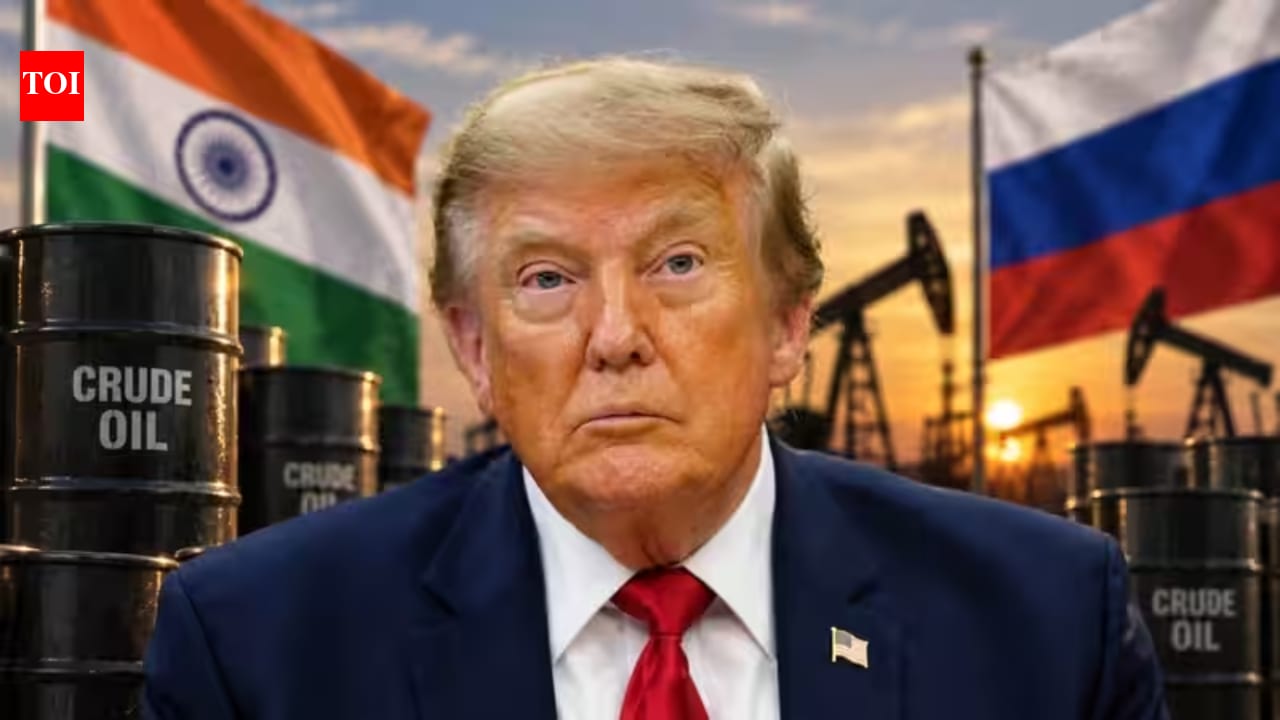
President Trump has signed the 'Lindsey O. Graham Sanctioning Russia and Iran Act of 2026', authorizing up to 100% tariffs on nations purchasing Russian energy. While the law aims to cripple Russian revenue, it includes a controversial exemption for U.S. uranium imports, sparking concerns over geopolitical double standards and energy security in India.
The Geopolitical Implications of the 2026 Sanctions Act
On September 18, 2026, President Donald Trump signed into law the 'Lindsey O. Graham Sanctioning Russia and Iran Act of 2026' (H.R. 5334). This legislative move represents a significant escalation in U.S. foreign policy, granting the executive branch broad authority to impose tariffs of up to 100% on nations that continue to import Russian oil and gas. By targeting the financial lifelines of the Russian energy sector, the bill seeks to exert maximum pressure on Moscow amid its ongoing war in Ukraine.
Challenges to Strategic Autonomy
The act places major energy importers, most notably India and China, in a precarious position. For India, the policy directly threatens its stated principle of strategic autonomy—the ability to pursue national interests independent of major power blocs. External Affairs Minister S. Jaishankar has voiced significant concern, emphasizing that India’s primary obligation is to ensure energy security for its population of 1.4 billion people. The threat of 100% tariffs could fundamentally alter the economic calculus of India-U.S. relations, potentially forcing a choice between domestic affordability and alignment with Western sanctions.
The Uranium Exception and Policy Contradictions
A central point of contention in the legislation is the inclusion of an explicit exemption for the import of low-enriched uranium into the United States. While the bill takes a hardline stance against Russian oil and gas, critics argue that the carve-out for uranium—a critical material for the U.S. nuclear power industry—reveals a significant internal contradiction. This 'doublespeak' suggests that while the U.S. expects global partners to sacrifice their energy security for geopolitical goals, it reserves the right to protect its own critical supply chains when domestic industries are at stake.
Impact on India-U.S. Relations
The potential weaponization of this bill against India carries profound risks for bilateral ties. India-U.S. relations have historically been anchored in shared democratic values and strategic cooperation; however, the blunt nature of these sanctions could undermine years of diplomatic progress. By ignoring the specific energy realities of the Global South, the U.S. risks alienating key partners who view the sanctions not as a moral imperative, but as a disruptive geopolitical tool that jeopardizes their economic stability.
Future Trends and Global Response
Looking ahead, the implementation of this law will likely be a litmus test for the durability of the U.S.-India partnership. If the administration proceeds with aggressive tariff enforcement, it may push India toward deeper reliance on alternative energy coalitions or non-Western financial structures. Furthermore, the dissatisfaction expressed by Russia and China indicates that this legislation is likely to trigger retaliatory measures, potentially ushering in a new era of protectionist energy trade and fragmented global energy markets.
Conclusion
The 'Lindsey O. Graham Sanctioning Russia and Iran Act of 2026' serves as a stark reminder of the complexities inherent in modern economic warfare. While intended to isolate Russia, the law's reach into the energy security of third-party nations creates a complex diplomatic dilemma. Whether this policy achieves its stated goal of ending the conflict or merely accelerates the formation of alternative, non-Western economic alliances remains a critical question for the coming years.
Multiple Citing Sources