'Strong ties with Italy, should be respectful': MEA on Cong leader's 'Meloni' remark
Source Entity
TOI NEWS DESK
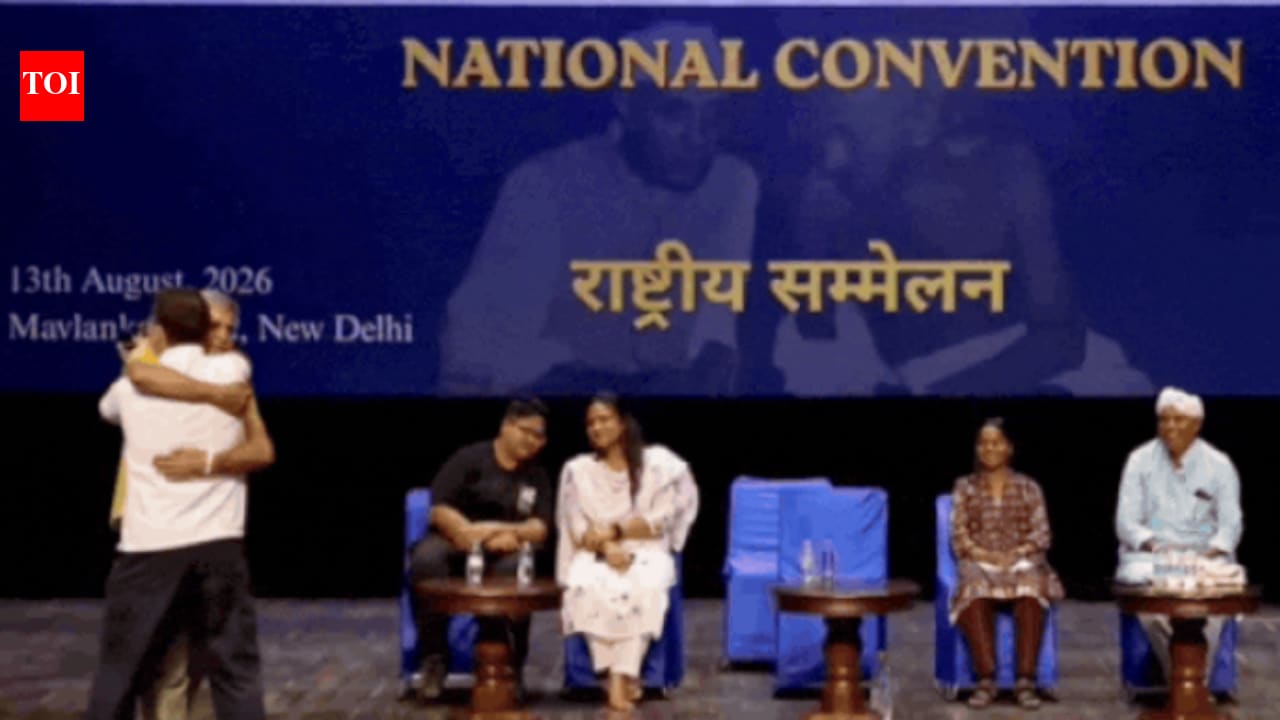
The Ministry of External Affairs has rebuked Congress leader Rahul Gandhi for his remarks regarding Italian Prime Minister Giorgia Meloni. The government emphasized the importance of maintaining respectful diplomatic discourse to preserve strong bilateral ties with Italy.
Diplomatic Protocol and Political Discourse
The recent controversy surrounding comments made by Congress leader Rahul Gandhi regarding Italian Prime Minister Giorgia Meloni has drawn a sharp response from the Indian Ministry of External Affairs (MEA). The MEA’s official stance emphasizes that while political debate is a staple of democratic life, it must remain within the bounds of diplomatic decorum, particularly when addressing the heads of state of friendly nations.
The Importance of Bilateral Relations
India and Italy have invested significant effort in cultivating a strategic partnership characterized by robust economic cooperation, defense collaboration, and shared geopolitical interests. The MEA’s intervention serves as a reminder that the conduct of individual political figures can have ripple effects on international perceptions. By framing the remarks as a breach of the respect owed to a foreign leader, the government is reinforcing the necessity of separating domestic political squabbles from the delicate architecture of international diplomacy.
Contextualizing the 'Meloni' Jibe
The specific incident, which involved a swipe taken by Rahul Gandhi at Prime Minister Meloni, has been categorized by the ruling administration as an unnecessary provocation. In the arena of high-stakes global politics, personal remarks directed at foreign counterparts are often scrutinized for their potential to disrupt or complicate ongoing negotiations. The government’s reaction underscores a clear message: the sanctity of diplomatic relations should remain insulated from the competitive rhetoric of national election cycles.
Historical Precedents and Diplomatic Etiquette
Historically, Indian foreign policy has leaned toward a policy of non-interference and mutual respect, a stance that has allowed New Delhi to maintain strong ties across the global spectrum. When political figures deviate from this established norm, it creates a friction point that the MEA must inevitably address to prevent misinterpretation by foreign ministries. This incident highlights the tension between the freedom of speech enjoyed by opposition leaders and the collective responsibility to represent the nation’s interests with dignity on the world stage.
Future Trends in Political Communication
As social media and digital political campaigning continue to evolve, the speed at which a stray remark can reach international audiences has increased exponentially. This trend suggests that future political discourse will likely face even greater scrutiny from state institutions. The MEA’s move to address this issue indicates a proactive approach to managing India’s international reputation, ensuring that internal political rivalries do not undermine the strategic gains achieved through years of diplomatic engagement with partners like Italy.
Multiple Citing Sources