High Court Takes Note Of Meghalaya Violence, Orders Strong Action
Source Entity
NDTV News Search Records Found 1000
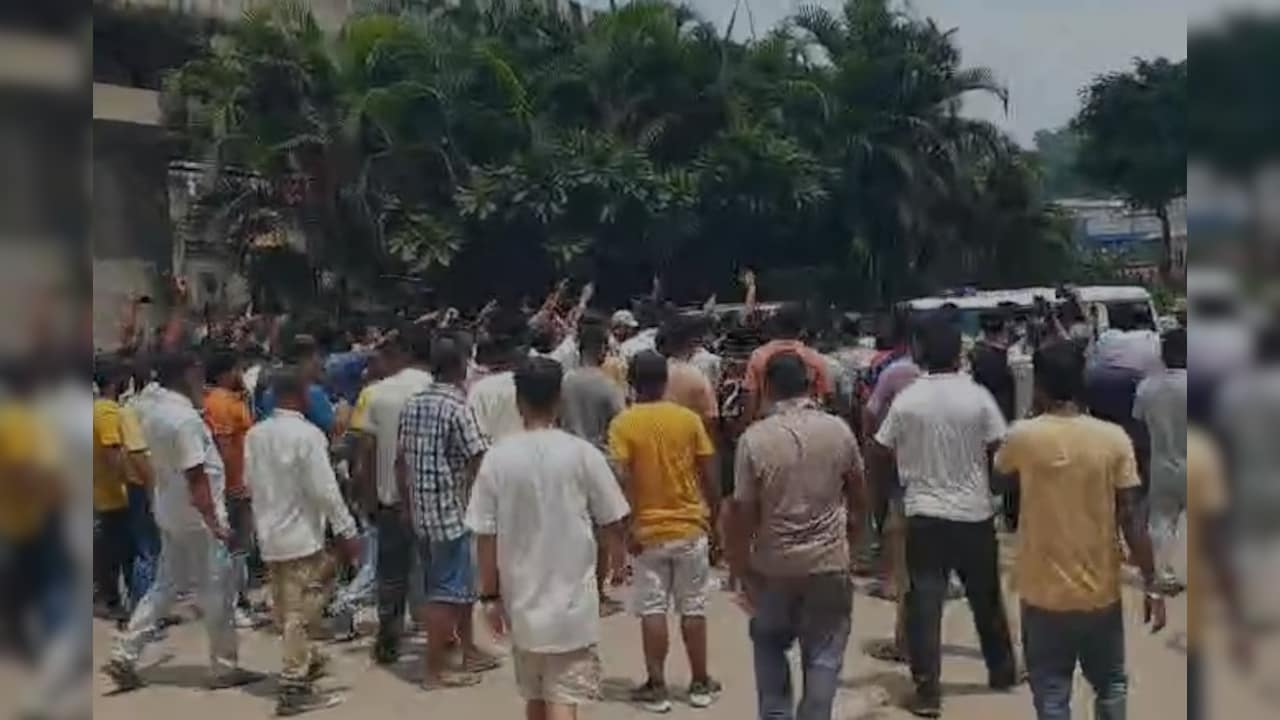
Meghalaya's High Court has intervened following violent protests by the Khasi Students' Union in Shillong. The unrest led to the vandalism of historical statues and the torching of government vehicles, resulting in the arrest of three senior union leaders.
Escalating Unrest in Shillong: An Analysis of Recent KSU Protests
The Incident and Judicial Intervention
The recent outbreak of violence in Shillong, Meghalaya, has prompted immediate intervention from the High Court, which has taken serious note of the deteriorating law and order situation. The unrest, which occurred during a bike rally organized by the Khasi Students' Union (KSU), resulted in significant property damage and the targeted vandalism of statues honoring national figures Swami Vivekananda and Netaji Subhas Chandra Bose. In response to the breach of peace, authorities have arrested three senior KSU leaders, who have been remanded to judicial custody for 14 days, signaling a firm stance by the judiciary against the escalation of civil disobedience into criminal activity.
Contextualizing the KSU Agitation
This wave of protests is rooted in the KSU’s ongoing agitation regarding a five-point charter of demands. The union, a prominent student organization in the region, has utilized these rallies as a platform to voice long-standing grievances. The transition from a symbolic black-flag demonstration to an event marked by the torching of government vehicles and the defacement of public monuments highlights a dangerous shift in the nature of these protests. The rally, which traversed various parts of Shillong, left a trail of destruction that underscores the intensity of the friction between the organization and the state administration.
Environmental and Economic Grievances
A significant driver of this recent unrest is the opposition to a proposed limestone mining project. The KSU has specifically targeted the public hearing process for this project, viewing it as a threat to the region's environmental and socio-economic landscape. By linking their five-point charter of demands to the mining issue, the KSU is attempting to leverage local sentiment against industrialization projects that they perceive as detrimental to the indigenous population. This reflects a broader trend in the Northeast, where developmental projects often face stiff resistance from local groups concerned about land rights and ecological conservation.
Implications for Law and Order
The vandalism of statues of national icons like Swami Vivekananda and Netaji Subhas Chandra Bose has added a layer of political sensitivity to the incident. Such acts are not merely symbolic of local frustration but serve to alienate the broader public and invite heightened scrutiny from central and state authorities. The destruction of government property further complicates the situation, as it necessitates a rigorous legal response to maintain the integrity of public institutions and prevent further lawlessness in the state capital.
Future Trends and Stability
Moving forward, the situation in Meghalaya remains volatile as the state balances the necessity of addressing legitimate grievances with the imperative of maintaining public order. The High Court's involvement suggests that the judiciary will likely play a central role in overseeing how the government handles both the protests and the underlying demands of the KSU. If the state cannot find a path toward constructive dialogue regarding the limestone mining project and other charter demands, there is a risk of further radicalization of student-led movements. The coming weeks will be critical in determining whether the state can de-escalate tensions or if the cycle of agitation and state intervention will continue to disrupt the stability of the region.
Verification Required?