Menopause and hair fall: Link between hormones, nutrition and hair health that women in 40s and 50s should know
Source Entity
Latest News: Todays Latest News Headlines from India & World | Hindustan Times | Hindustan Times
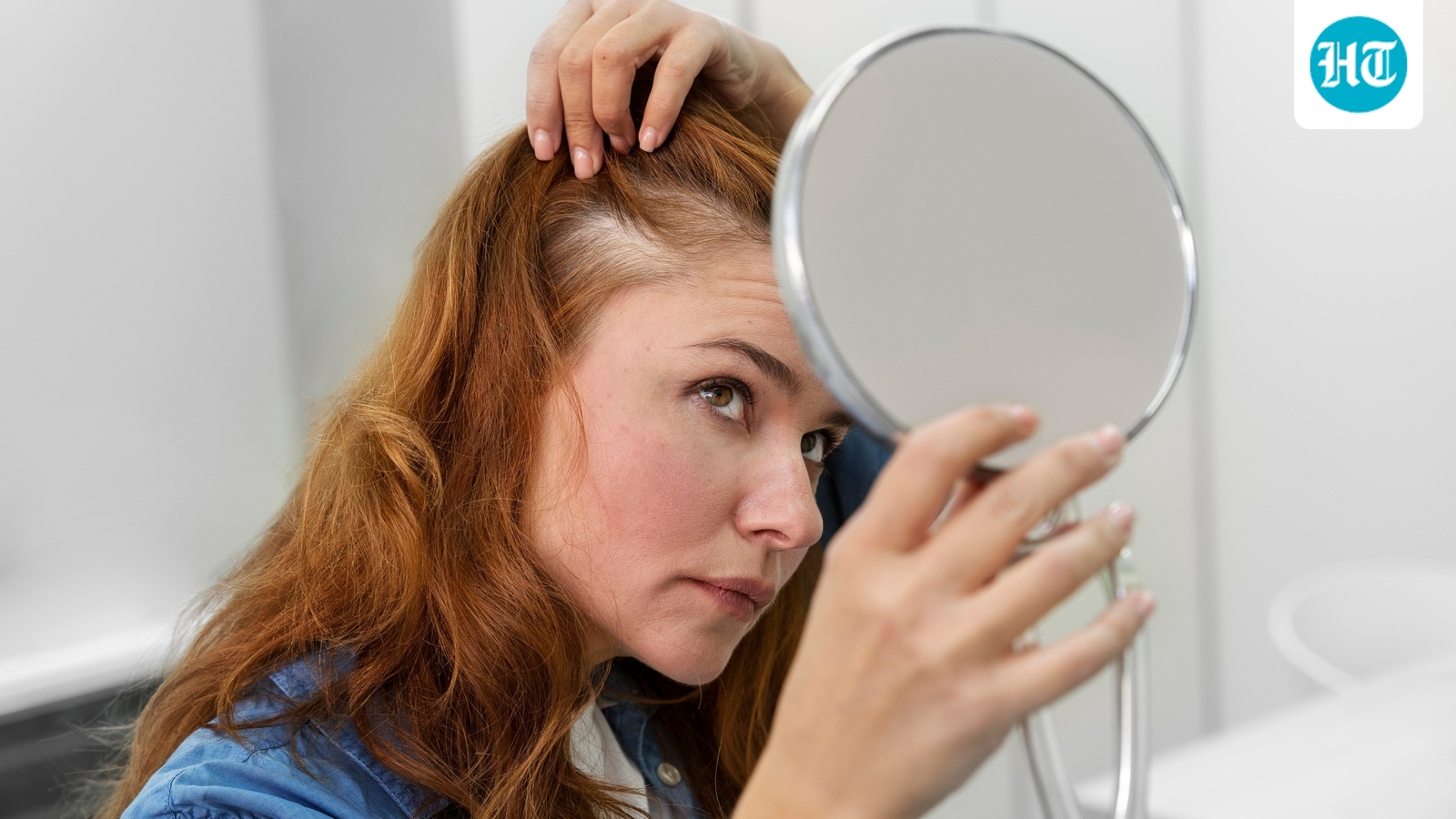
Menopause significantly impacts hair health due to shifting hormonal levels and nutritional needs in women aged 40 to 50. Expert insights highlight that hair thinning is not merely an inevitable sign of aging but a manageable condition linked to follicle sensitivity.
The Hidden Impact of Menopause on Hair Health
Menopause is widely recognized for its hallmark symptoms, such as hot flashes, sleep disturbances, and mood fluctuations. However, there is a significant, often overlooked aspect of this biological transition: the impact on hair density and scalp health. For many women in their 40s and 50s, hair thinning is frequently dismissed as an unavoidable byproduct of aging. While chronological age is a factor, medical experts suggest that the physiological changes occurring during this period are far more complex and actionable than previously believed.
The Hormonal Connection
According to Dr. Rashi Soni, a dermatologist and hair transplant surgeon, the menopausal transition fundamentally alters the hair growth cycle. As estrogen and progesterone levels decline, the body’s hormonal balance shifts, which in turn influences how hair follicles function. These follicles, which are sensitive to hormonal signals, may begin to miniaturize, leading to a visible reduction in hair volume. This shift is not just about the loss of strand count but also about a change in the scalp environment that supports hair growth.
Nutritional and Follicular Dynamics
Beyond hormonal fluctuations, the transition period often involves changes in nutritional absorption and metabolism. Hair follicles require a specific set of nutrients to remain active and healthy; when these are compromised, the hair cycle is disrupted. Dr. Soni emphasizes that the way follicles respond to hormones during this life stage is a critical area of study, suggesting that hair loss is a biological marker of internal changes rather than just a cosmetic concern.
Moving Beyond the Stigma of Aging
Societal narratives often encourage women to accept hair loss as a standard consequence of reaching mid-life. This mindset can prevent women from seeking medical advice that could potentially mitigate thinning. By reframing hair health during menopause as a medical issue related to hormonal shifts and nutritional status, women can move from passive acceptance to proactive management. Understanding that these changes are driven by specific biological mechanisms is the first step toward effective intervention.
Future Trends in Hair Health Management
As research into the intersection of endocrinology and dermatology deepens, we can expect more personalized approaches to treating menopausal hair loss. Future trends will likely focus on targeted treatments that address the specific follicular sensitivities unique to the post-menopausal state. Integrating nutritional therapy with dermatological care will become the standard for maintaining hair vitality through the 40s and 50s.
Conclusion
In summary, the thinning of hair during menopause is a multifaceted issue that warrants serious attention. By moving away from the fatalistic view that hair loss is merely an inevitable part of aging, women can better utilize medical expertise to address the underlying hormonal and nutritional drivers. Recognizing these symptoms early provides the best opportunity to support hair health during this significant life transition.
Verification Required?