Mercury in cosmetics: What does the Keralam case reveal about health risks of skin-lightening creams | Explained
Source Entity
India Latest News: Top National Headlines Today & Breaking News | The Hindu
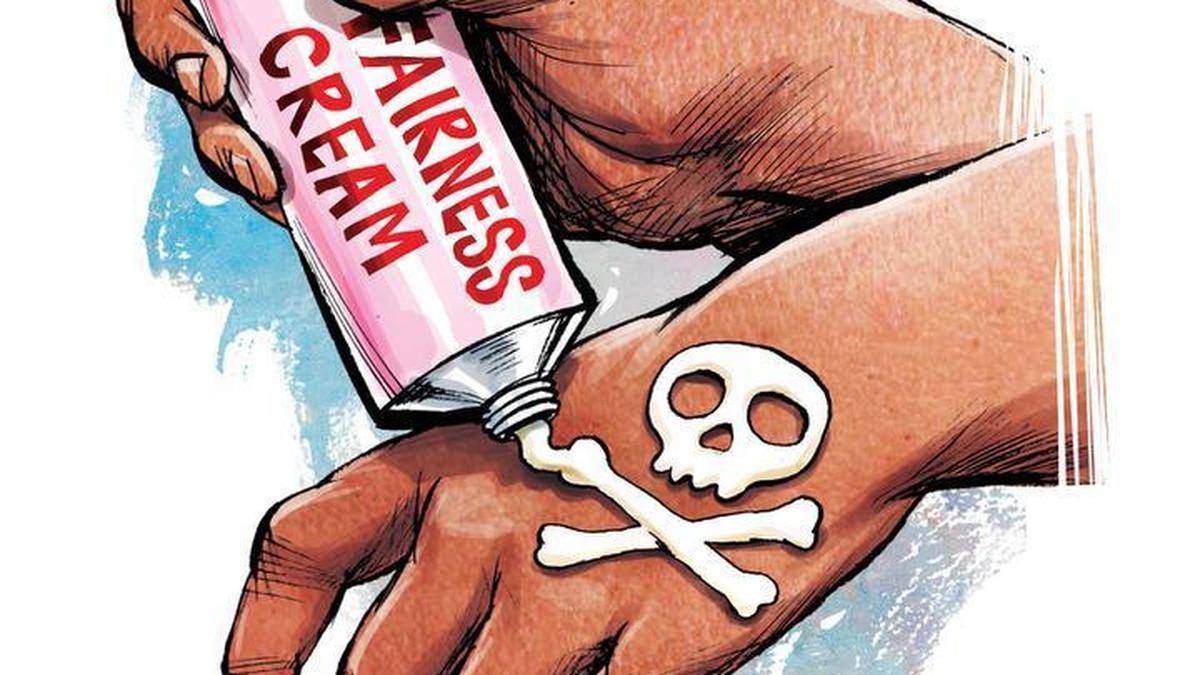
A 17-year-old in Kerala suffered severe kidney damage, specifically Membranous nephropathy, after using a mercury-tainted skin-lightening cream. This incident highlights the dangers of unregulated beauty products promoted by influencers and the urgent need for stricter cosmetic safety oversight.
The Hidden Dangers of Cosmetic Whitening Agents
The recent hospitalization of a 17-year-old girl in Areekode, Malappuram, serves as a harrowing reminder of the unregulated hazards lurking within the beauty industry. After using a product marketed as 'F-TUNES'—which promised a fair, blemish-free complexion through 'natural' ingredients like turmeric—the teenager suffered from severe systemic health issues. Her condition, diagnosed as Membranous nephropathy, is a serious kidney disorder that can lead to long-term renal failure, illustrating the catastrophic intersection of societal beauty standards and the unchecked trade of toxic chemical formulations.
The Mercury Connection
While many consumers are drawn to products claiming to be organic or herbal, the inclusion of heavy metals like mercury remains a persistent threat. Mercury is often illegally added to skin-lightening creams because it effectively inhibits melanin production, leading to a temporary brightening effect. However, the skin absorbs this mercury, which then enters the bloodstream and accumulates in vital organs. In this specific case, the accumulation led to nephrotic syndrome, where the kidneys' filtration systems become damaged, causing the body to lose vital proteins and leading to symptoms like swelling and fainting.
The Role of Social Media Influence
The case highlights a modern crisis: the unchecked power of social media influencers in the beauty space. The victim was persuaded by influencers who touted the product’s efficacy without disclosing the underlying chemical composition. This creates a dangerous feedback loop where consumers prioritize the aesthetic endorsements of influencers over the rigorous safety testing required for dermatological products. The reliance on claims of 'natural ingredients' often acts as a smokescreen, masking the presence of synthetic poisons that are not declared on the label.
Regulatory Gaps and Global Sourcing
One of the most alarming aspects of this incident is the product's origin, as it cited Dubai as its place of manufacture. This cross-border nature of the beauty black market complicates enforcement. Regulatory bodies often struggle to track products that are imported through informal channels or sold via e-commerce platforms, which bypass traditional retail safety checks. The 'F-TUNES' case underscores the systemic failure to police the supply chain, leaving consumers vulnerable to products that lack proper toxicity testing or legal certification.
Broader Health Implications and Future Trends
Membranous nephropathy is not a condition to be taken lightly; it requires long-term medical management and can permanently alter a person's quality of life. As public awareness grows, the medical community is calling for more stringent testing of over-the-counter creams. Future trends suggest that unless there is a significant crackdown on the import and marketing of unlicensed cosmetic products, we will likely see an uptick in similar cases of heavy metal poisoning. Moving forward, authorities must prioritize transparency in ingredient labeling and hold both manufacturers and digital promoters accountable for the health consequences of the products they distribute.
Verification Required?