Meta now alerts parents if their teen discussed suicide or self-harm with its AI chatbot
Source Entity
Aisha Malik
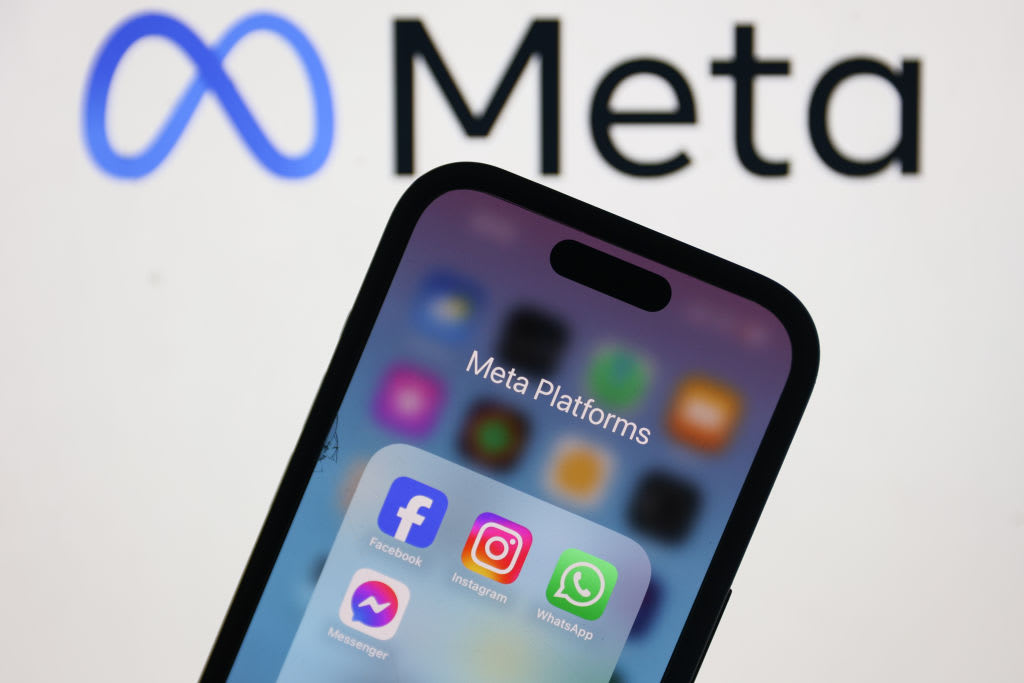
Meta has introduced a new safety feature that notifies parents if their teenage children discuss suicide or self-harm with its AI chatbots, a move driven by increasing regulatory pressure and concerns over adolescent mental health in the age of generative AI.
Meta Implements Critical Safety Guardrails for Teen AI Interactions
Meta has announced a significant update to its AI safety protocols, introducing a feature that alerts parents when their teenage children engage in conversations regarding suicide or self-harm with the company's AI chatbots. This development comes at a pivotal moment as generative AI becomes deeply integrated into the social fabric of platforms like Instagram and WhatsApp, where a vast demographic of adolescents spends a significant portion of their daily lives. By creating a direct notification pipeline to guardians, Meta is attempting to bridge the gap between automated AI support and real-world human intervention during mental health crises.
The Catalyst: Regulatory Pressure and Public Scrutiny
This update is not a standalone altruistic gesture but is heavily influenced by an intensifying climate of regulatory scrutiny. Governments worldwide, particularly in the United States and the European Union, have been increasing their focus on the 'duty of care' that tech giants owe to minor users. Regulators have expressed deep concern over how Large Language Models (LLMs) might inadvertently encourage self-harm or provide inadequate support to vulnerable users. By implementing parental alerts, Meta is proactively addressing these concerns, attempting to mitigate legal risks and avoid the possibility of more stringent, government-mandated restrictions on AI accessibility for minors.
The Tension Between Privacy and Protection
One of the most complex aspects of this rollout is the inherent tension between a teenager's expectation of privacy and the necessity of parental oversight for safety. For many teens, AI chatbots serve as a low-friction, non-judgmental space to express feelings they may be hesitant to share with adults. While the notification system is designed to save lives, it raises critical questions about the boundaries of digital surveillance. The effectiveness of this feature will depend on how Meta balances the sensitivity of the triggers used to alert parents, ensuring that critical cries for help are caught without creating an environment of constant surveillance that might drive teens away from seeking help entirely.
Historical Context: Meta's Struggle with Teen Mental Health
To understand the weight of this move, one must look at Meta's historical relationship with adolescent mental health. The company has previously faced intense backlash following leaked internal research suggesting that Instagram had a negative impact on the body image and mental well-being of teenage girls. This history of perceived negligence has left Meta in a position where it must now go above and beyond standard industry safety measures to regain public and regulatory trust. The introduction of parental alerts for AI-driven crisis signals is a clear attempt to pivot from a reactive stance to a proactive safety architecture.
The Technical Challenge of Crisis Detection
From a technical standpoint, detecting intent for self-harm within a fluid, natural language conversation is an immense challenge. AI chatbots must distinguish between a user quoting a song, discussing a fictional character, or expressing genuine suicidal ideation. This requires highly sophisticated sentiment analysis and keyword triggers that are culturally and linguistically nuanced. The success of this feature relies on the AI's ability to minimize 'false positives'—which could lead to unnecessary parental panic—while maintaining a zero-failure rate for 'false negatives,' where a genuine crisis goes unnoticed.
Future Trends: Toward a 'Guardrail-First' AI Ecosystem
This move by Meta likely signals a broader industry shift toward 'guardrail-first' AI development. As AI becomes more conversational and emotionally resonant, other tech leaders like Google and OpenAI will likely feel pressured to implement similar parental controls and safety triggers. We can expect to see the emergence of standardized 'AI Safety Labels' or industry-wide protocols for handling crisis interventions in AI. Furthermore, this could lead to deeper integrations between AI chatbots and professional mental health services, where the AI doesn't just alert a parent but provides an immediate, seamless handoff to a licensed crisis counselor.
Conclusion
Meta's decision to alert parents about teen self-harm discussions is a necessary, albeit complex, response to the risks posed by the intersection of generative AI and adolescent vulnerability. While it does not solve the broader crisis of teen mental health, it provides a critical safety net in a digital landscape that is evolving faster than traditional parenting and regulatory frameworks can keep up with. The long-term impact will depend on the transparency of the system and the company's willingness to prioritize user safety over engagement metrics.