Wall Street just endorsed Jensen Huang's 'big concept' for AI. What now?
Source Entity
US Top News and Analysis
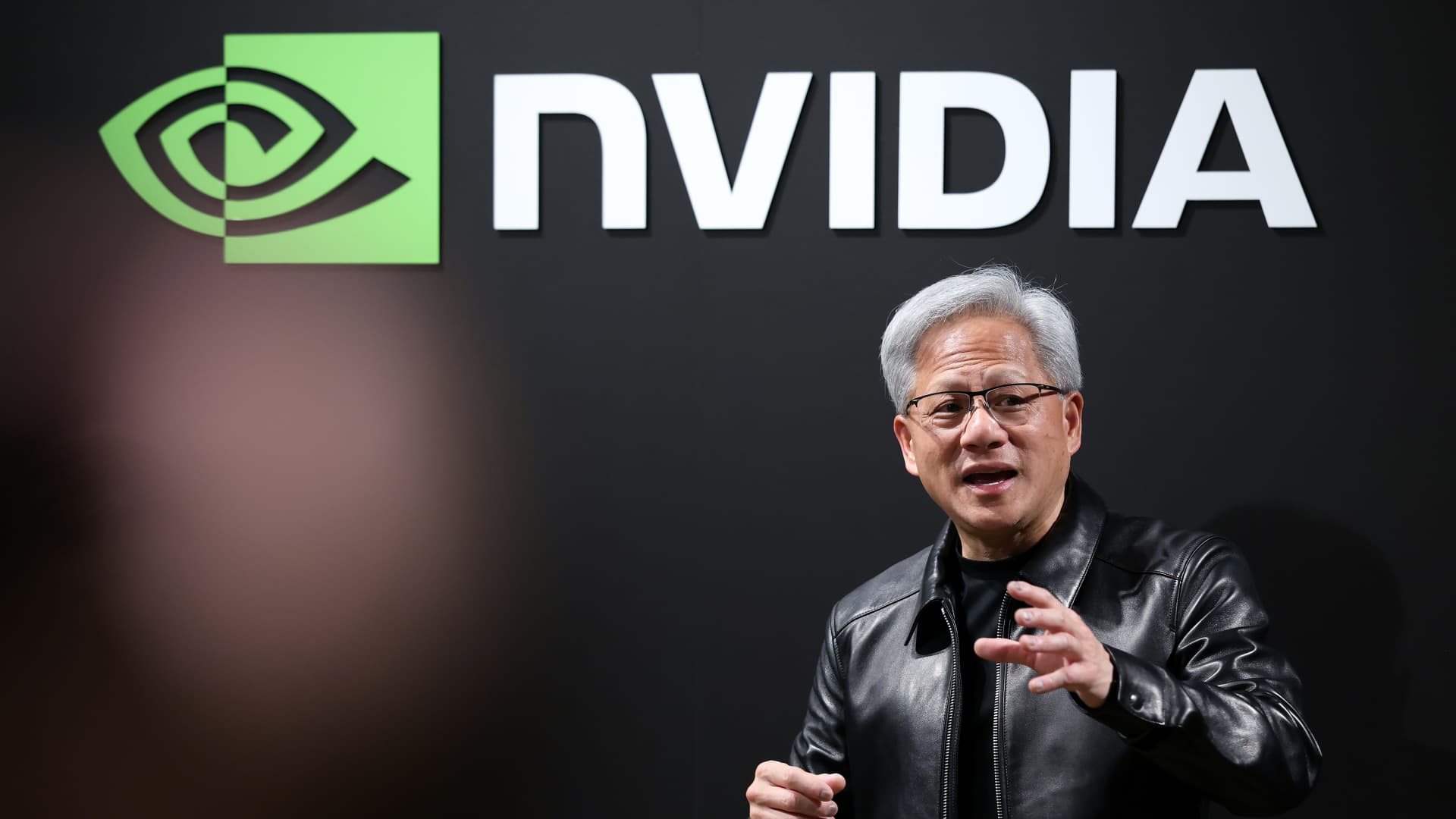
Tech stocks dipped as Meta unveiled its open-weight 'Muse Glimmer' AI model and Intel announced a $15 billion stock offering. Intel aims to leverage its 400% annual share price growth to fund infrastructure and capitalize on surging AI demand.
Tech Sector Volatility: Meta's AI Vision and Intel’s Strategic Capital Raise
On Monday, technology markets experienced a downturn as two industry titans, Meta and Intel, signaled major shifts in their strategic trajectories. The market reaction reflected the high-stakes nature of the current artificial intelligence arms race, where companies are balancing aggressive innovation with massive capital requirements. While Meta focused on the philosophical and accessible distribution of AI, Intel moved to secure the financial runway necessary to maintain its competitive edge in hardware manufacturing.
Meta’s Open-Weight Philosophy
Meta CEO Mark Zuckerberg used the current market climate to outline his vision for the future of AI, specifically prioritizing decentralization over expert-controlled superintelligence. In a manifesto released alongside the announcement of the 'Muse Glimmer' model, Zuckerberg argued against the concentration of AI decision-making power. By releasing an open-weight model that users can run on their own devices, Meta is attempting to democratize compute power, potentially challenging the closed-garden ecosystems maintained by other major AI players.
Intel’s Strategic Capital Infusion
Simultaneously, Intel announced a $15 billion common stock offering, a move designed to capitalize on a remarkable 400% surge in its share price over the past year. By offloading this equity, Intel is positioning itself to meet what it describes as "strong and sustainable" customer demand for AI computing power. The infusion of capital is earmarked for essential growth areas, including physical AI, purpose-built silicon, and advanced packaging, which are critical components in the global effort to build out AI infrastructure.
The Infrastructure Burden
Intel’s massive offering highlights a broader industry trend: the "insatiable" demand for AI compute capacity that has forced technology giants to spend trillions of dollars. This infrastructure build-out is not merely a software play but a physical one, requiring immense capital expenditures. As mega-cap companies continue to boost their spending, the pressure on chipmakers like Intel to deliver scalable hardware has reached a fever pitch, making this $15 billion raise a strategic necessity rather than a luxury.
Market Outlook and Implications
Despite the long-term potential of these strategic moves, shares of Intel fell by 4% in morning trading on Monday. This reaction suggests that investors remain wary of the dilutive effects of large stock offerings, even when the funds are intended for growth. The tech sector currently finds itself in a delicate balance; while AI demand is clearly accelerating, the sheer cost of maintaining this momentum is testing investor patience and market stability.
Conclusion
Ultimately, the events of Monday underscore the divergence in how technology leaders are navigating the AI era. Meta is betting on widespread utility and accessibility to solidify its ecosystem, while Intel is betting on its own manufacturing prowess and the necessity of specialized hardware. As these companies continue to deploy capital and technology, the success of these strategies will likely define the market landscape for the next decade.
Multiple Citing Sources