'Can't run in India as per US law': Govt-Meta talks focus on algorithms, compliance
Source Entity
TRISHA MAHAJAN
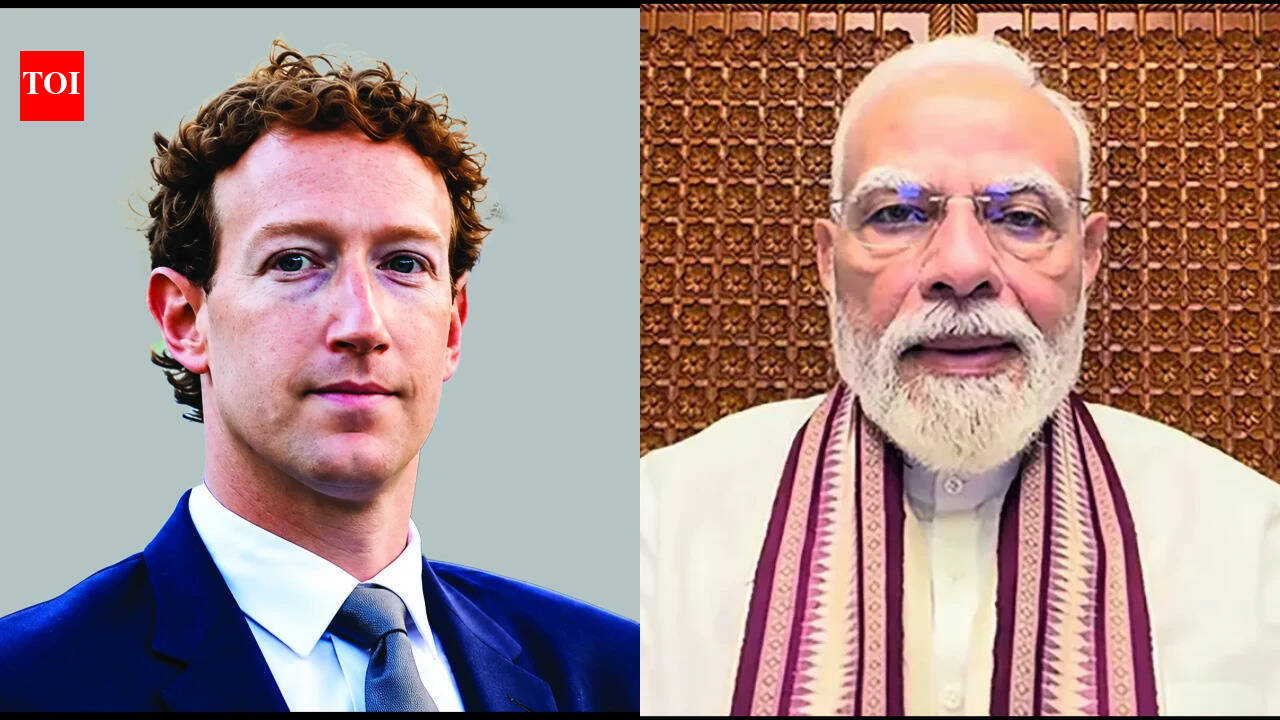
Meta CEO Mark Zuckerberg has apologized to the Indian government following lapses in content moderation, including the erroneous removal of a video by PM Modi. The company faces potential loss of safe harbor protections as it works to address government concerns regarding deepfakes, CSAM, and algorithmic transparency.
Meta’s Regulatory Reckoning: An Analysis of the India-Meta Standoff
The Anatomy of the Conflict
Recent developments have placed Meta at the center of a high-stakes regulatory confrontation with the Indian government. The core of the tension lies in a series of operational failures, most notably the erroneous removal of a video posted by Prime Minister Narendra Modi. While Meta attributed this incident to technical glitches, the event served as a catalyst for a broader investigation into the platform’s content moderation efficacy and its adherence to local legal standards.
The Threat to 'Safe Harbour'
Perhaps the most significant development is the Indian government’s warning that Meta could lose its 'safe harbour' status. In the context of global tech regulation, safe harbour provisions act as a critical legal shield, protecting platforms from liability for the content posted by their users. By threatening to revoke this protection, the Indian government has effectively signaled that Meta’s current operational model is no longer compatible with the nation's expectations for digital safety and accountability.
Addressing Systemic Lapses: CSAM and Deepfakes
Beyond the high-profile removal of political content, the discussions between Meta’s global team and Indian officials have centered on severe, systemic issues: Child Sexual Abuse Material (CSAM) and the proliferation of deepfakes. These are not merely technical errors but existential threats to the platform's reputation and legality. The government’s insistence on understanding Meta’s underlying algorithms suggests a shift toward a more interventionist regulatory approach, demanding transparency that the company has historically been reluctant to provide.
The Conflict Between Global Policy and Local Law
A recurring theme in the ongoing negotiations is the friction between Meta’s global operational framework and the specific requirements of Indian law. Government officials have made it clear that Meta cannot operate in India under the assumption that US-centric policies will suffice. This mandate forces Meta into a difficult position: it must either adapt its global algorithmic and moderation strategies to meet Indian standards or face the potential fragmentation of its largest user base.
Economic and Political Implications
With nearly a billion users in India, Meta’s presence in the region is a cornerstone of its global business model. The company’s admission that it accepted payment to boost certain types of content—a practice currently under scrutiny—further complicates its standing. As Meta’s global leadership continues meetings with IT Minister Ashwini Vaishnaw, the outcome will likely set a precedent for how other multinational tech giants navigate the evolving landscape of digital sovereignty in India.
Future Outlook: Compliance as a Prerequisite
Looking ahead, the longevity of Meta’s operations in India will depend on its ability to move beyond formal apologies. The government’s focus on algorithmic transparency and proactive preventive measures indicates that 'corrective actions' will be strictly monitored. The coming days will be decisive, as the platform seeks to prove that it can align its global infrastructure with the stringent regulatory demands of the Indian market, ensuring both user safety and legal compliance.
Multiple Citing Sources