Meta, Mark Zuckerberg’s apology isn’t enough. Big Tech can’t be blind to the harm it causes
Source Entity
Subimal Bhattacharjee
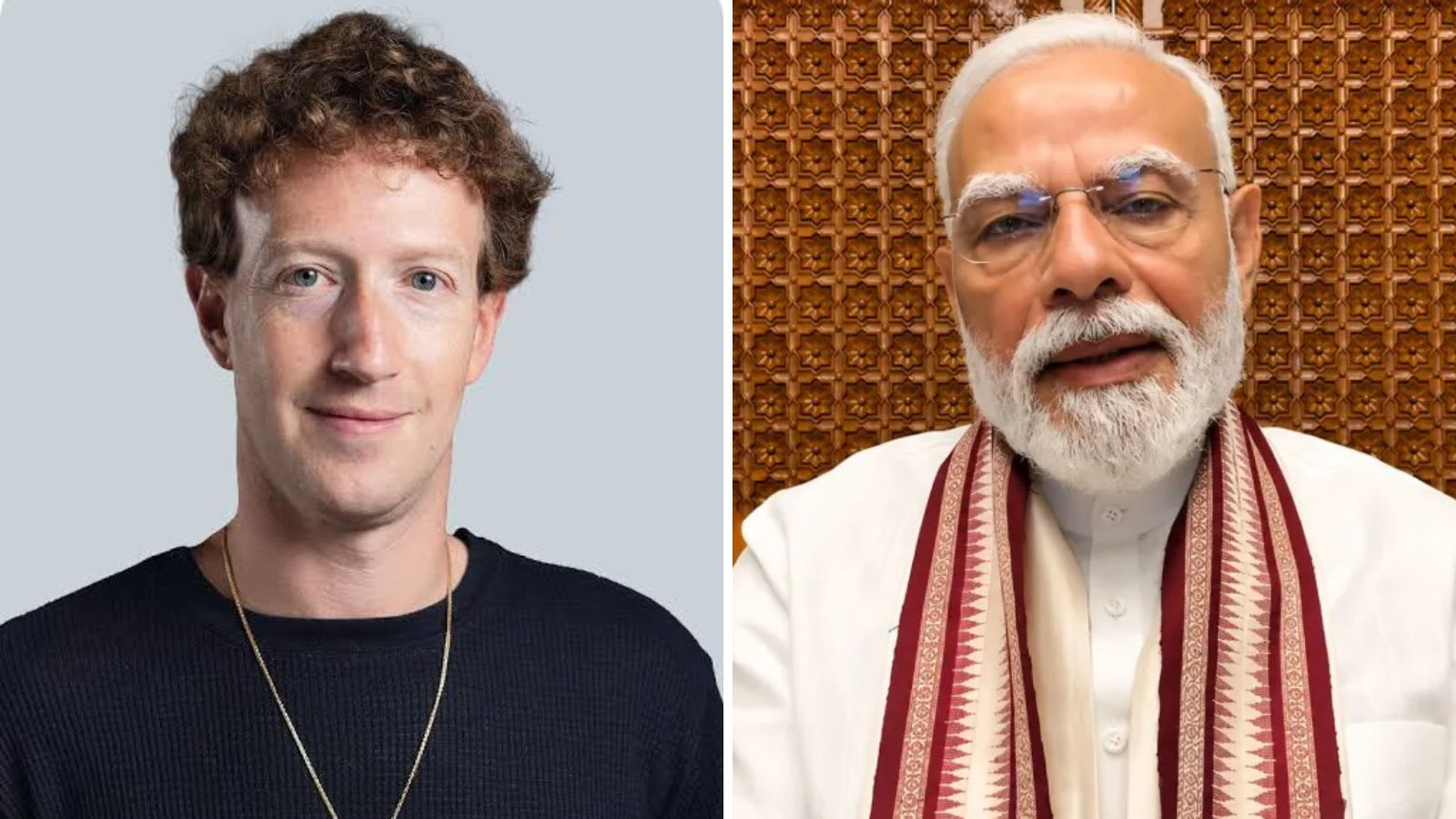
Meta CEO Mark Zuckerberg has apologized to the Indian government following lapses in content moderation and the erroneous removal of a video by Prime Minister Narendra Modi. The platform now faces intense pressure to overhaul its compliance strategies or risk losing its legal safe harbor protections in India.
Meta’s Regulatory Reckoning in India
The Anatomy of an Apology
Meta, the parent company of Facebook and WhatsApp, has found itself at a critical juncture in its relationship with the Indian government. Recent reports confirm that CEO Mark Zuckerberg has issued a formal apology to Indian officials, acknowledging significant operational failures. These lapses include the erroneous removal of a video posted by Prime Minister Narendra Modi, as well as systemic failures regarding the proliferation of child sexual abuse material (CSAM) and deepfake content. The admission follows mounting pressure from New Delhi, which has signaled that the tech giant’s influence—reaching nearly a billion Indian users—must be balanced with strict adherence to local legal frameworks.
The Threat to Safe Harbor
The gravity of this situation cannot be overstated, as Indian authorities have explicitly warned Meta that its 'safe harbor' status is at risk. Safe harbor is a legal shield that protects platforms from liability for the content posted by their users. By threatening to revoke this protection, the Indian government is leveraging the most potent regulatory tool at its disposal. Losing this status would fundamentally alter Meta’s business model in India, exposing the company to unprecedented legal risks and forcing a shift from a neutral hosting platform to a heavily regulated content publisher.
Algorithmic Accountability and Compliance
At the heart of the current standoff are deep-seated concerns regarding Meta’s algorithmic transparency. Government officials have demanded insights into how Meta’s algorithms function, particularly regarding the paid amplification of content and the curation of user feeds. The government’s stance is clear: Meta cannot operate in India according to US-centric policies. Instead, the company must demonstrate that it is actively preventing the spread of harmful content, including deepfakes and CSAM, through robust, locally-compliant moderation strategies.
The Symbolism of the Modi Video
While the removal of Prime Minister Modi’s video—which Meta attributed to a 'technical glitch'—served as the immediate catalyst for the current friction, it represents a larger symbolic issue. The government views such errors not merely as technical mishaps, but as evidence of a platform that lacks sufficient oversight and local sensitivity. The fact that Meta’s global team has been summoned for multi-day, high-level meetings with IT Minister Ashwini Vaishnaw underscores the urgency with which the company is attempting to repair its reputation and avoid further punitive measures.
Future Trends in Tech Governance
This incident signals a broader trend in global tech governance, where nations are increasingly asserting sovereignty over digital spaces. India’s proactive approach to holding Big Tech accountable serves as a blueprint for other emerging economies. As Meta continues to negotiate its future in the country, the resolution of these talks will likely set a precedent for how global social media giants interact with sovereign regulatory bodies. Moving forward, Meta’s ability to retain its market share will depend entirely on its capacity to transform its compliance culture from reactive apologies to proactive, transparent, and legally sound operations.
Multiple Citing Sources