Instagram To Ban Creepy POV Videos Shot With Meta Glasses
Source Entity
NDTV News Search Records Found 1000
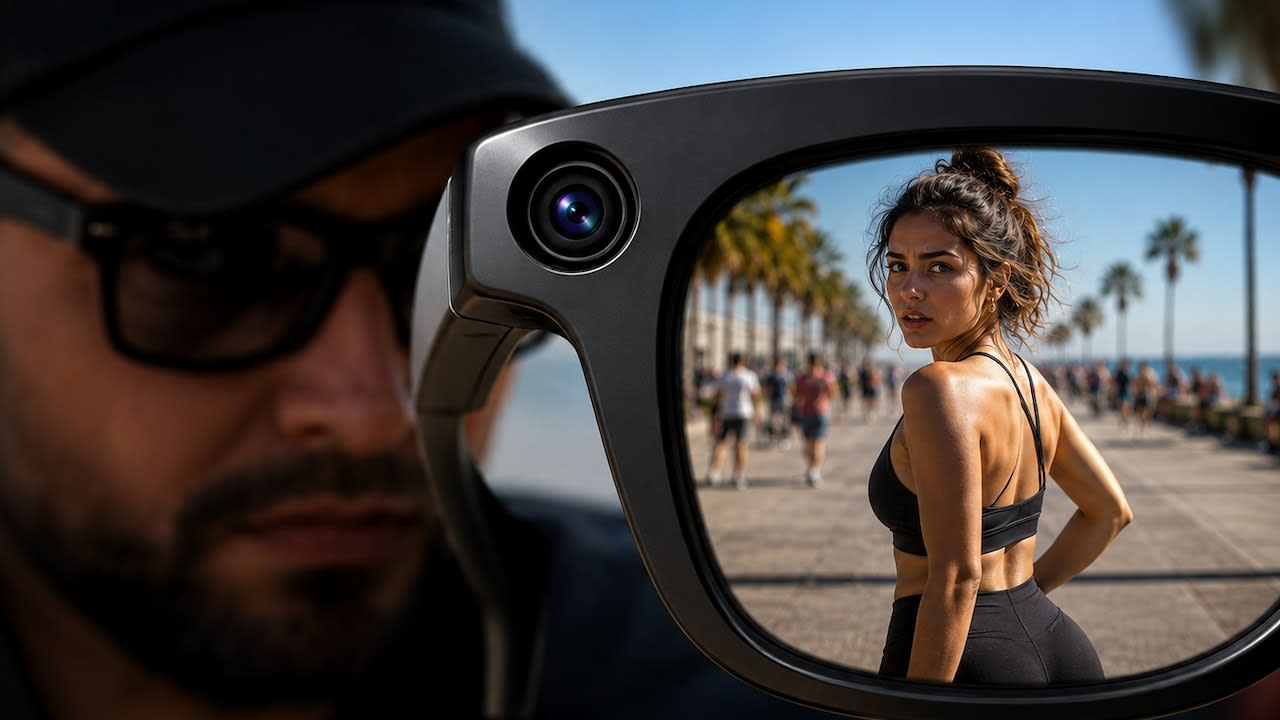
Instagram is banning invasive POV content filmed with Meta smart glasses following public backlash over harassment and privacy concerns. Meta is also navigating internal friction regarding subscription models for device features.
The Privacy Crisis of Wearable Tech
Meta’s foray into smart glasses has encountered a significant ethical and public relations hurdle. The integration of high-definition cameras into wearable eyewear has sparked fierce backlash, primarily due to the erosion of personal privacy and the rise of unsolicited surveillance. As these devices become more common, the boundary between consumer technology and intrusive recording equipment has blurred, leading to widespread public concern regarding how these tools are utilized in public spaces.
The Rise of 'Pervert Glasses'
The term 'pervert glasses' has emerged as a colloquial descriptor for Meta’s hardware, highlighting the severity of the reputational damage the company faces. The core of this controversy lies in the misuse of the device’s point-of-view (POV) recording capabilities. Reports indicate that bad actors are using the glasses to film unsuspecting strangers—specifically targeting women—for 'prank' content or to document unwanted social interactions. This behavior has transformed a piece of consumer electronics into a tool for harassment, necessitating a direct intervention from Meta.
Instagram’s Policy Intervention
In response to the mounting pressure, Instagram has announced a crackdown on content captured via Meta smart glasses that infringes upon the dignity and privacy of others. Adam Mosseri, head of Instagram, has signaled that the platform will not tolerate videos that take advantage of or harass individuals. By banning this specific category of content, Meta is attempting to distance its social platform from the toxic behaviors enabled by its own hardware, creating a complex internal policy landscape where the parent company must penalize the output of its own products.
The Subscription Model Dilemma
Beyond the privacy scandals, Meta is struggling with the commercialization of its hardware. The company recently paused plans to implement a $20 monthly subscription fee for the 'Conversation Focus' accessibility feature, which operates locally on the glasses. While the company maintains that this specific feature will not be paywalled, it has confirmed that it remains committed to a future where 'premium features' will eventually require a subscription. This strategy highlights the tension between hardware ownership and software-as-a-service (SaaS) revenue models.
Broader Implications and Future Trends
This sequence of events serves as a cautionary tale for the wearable tech industry. As augmented reality (AR) and smart glasses continue to evolve, companies must balance innovation with rigorous safety guardrails. The current situation suggests that future hardware iterations will likely require more prominent recording indicators and stricter software-level restrictions to prevent the normalization of non-consensual filming. Meta’s struggle underscores that user trust is the most critical component of the adoption of wearable technology, and failing to address ethical concerns early can stifle even the most sophisticated technological advancements.
Verification Required?