At India’s only university dedicated to Hindi, a 4-year-old dispute erupts into student protests, FIR
Source Entity
Ankita Deshkar
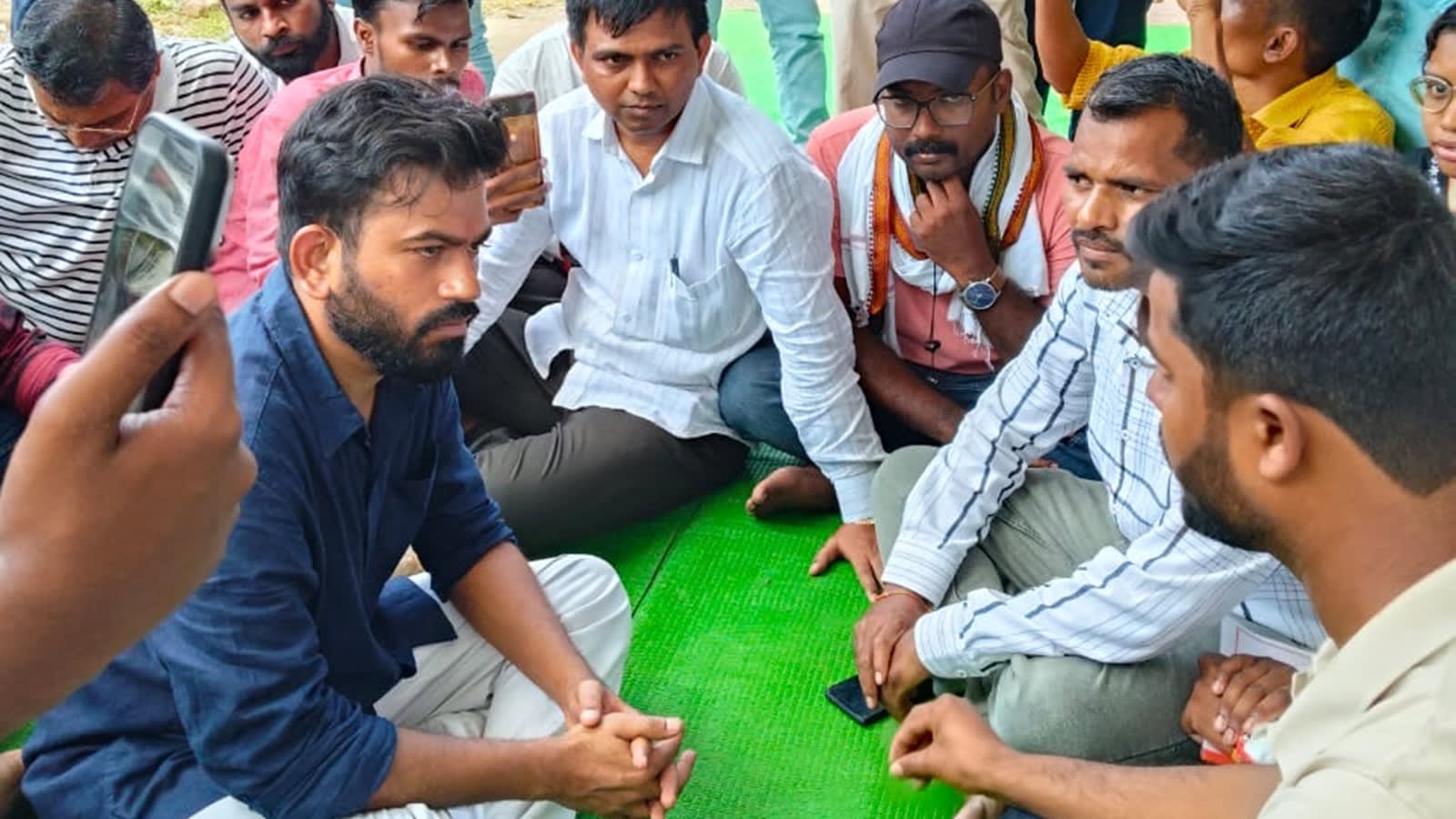
Students at Mahatma Gandhi Antarrashtriya Hindi Vishwavidyalaya are protesting a four-year-old administrative decision to relocate two departments to Prayagraj. The standoff has escalated into legal action, with an FIR filed against six protesting students.
The Crisis at MGAHV: A Deep Dive into the Wardha-Prayagraj Dispute
The Administrative Shift and Its Rationale
Four years ago, the Mahatma Gandhi Antarrashtriya Hindi Vishwavidyalaya (MGAHV) in Wardha, Maharashtra, initiated a significant administrative shift by moving two of its academic departments to its regional center in Prayagraj. The university administration justified this move as a strategic effort to enhance enrollment figures and promote the study of Hindi, framing the transfer as an action taken in "lokhit" (the public good). As India’s only university exclusively dedicated to the promotion of the Hindi language, the institution holds a unique position in the national academic landscape, making any structural reorganization a matter of significant public and intellectual interest.
Escalation of Student Unrest
Despite the passage of four years, the decision has become the flashpoint for intense student agitation. Beginning on July 3, the campus witnessed the start of a three-month-long protest led by students who remain deeply dissatisfied with the ongoing academic arrangements. The persistence of these protests suggests a fundamental breakdown in communication between the university administration and the student body, highlighting the challenges of balancing institutional expansion with the immediate needs and expectations of those currently enrolled.
Legal Repercussions and the Role of External Actors
The situation reached a critical juncture when the administration responded to the prolonged protests by filing an FIR against six students. This move has drawn the attention of external political entities, most notably the Cockroach Janta Party. Convenor Abhijeet Dipke has publicly defended the students, arguing that their demands for essential academic amenities are protected under the Constitutional Right to Education. The involvement of political actors indicates that the protest has moved beyond internal campus grievances into a broader discourse regarding student rights and the limits of administrative authority.
Implications for Hindi Language Education
As the only university in India where Hindi serves as the primary medium of instruction, the health of MGAHV is vital for the preservation and advancement of the language in higher education. The current dispute, however, threatens to overshadow the university's core mission. The central question remains whether the relocation to Prayagraj has indeed achieved the promised "public good" or if the resulting friction has hindered the academic environment. The university's ability to resolve this crisis will likely influence future administrative decisions regarding the decentralization of specialized institutions.
Future Trends and Resolution
Looking ahead, the resolution of this conflict will likely depend on the university's capacity to engage in transparent dialogue with its students. The escalation of legal measures, such as the filing of FIRs, often serves to polarize rather than reconcile, potentially leading to further instability on campus. For the MGAHV to fulfill its mandate as a beacon of Hindi education, it must navigate the tension between administrative efficiency and the fundamental rights of its students. The outcome of this standoff may set a precedent for how specialized central universities handle internal dissent regarding structural reorganization.