Meet Michael Stücke, German farmer rescuing gay sheep from slaughter
Source Entity
TOI WORLD DESK
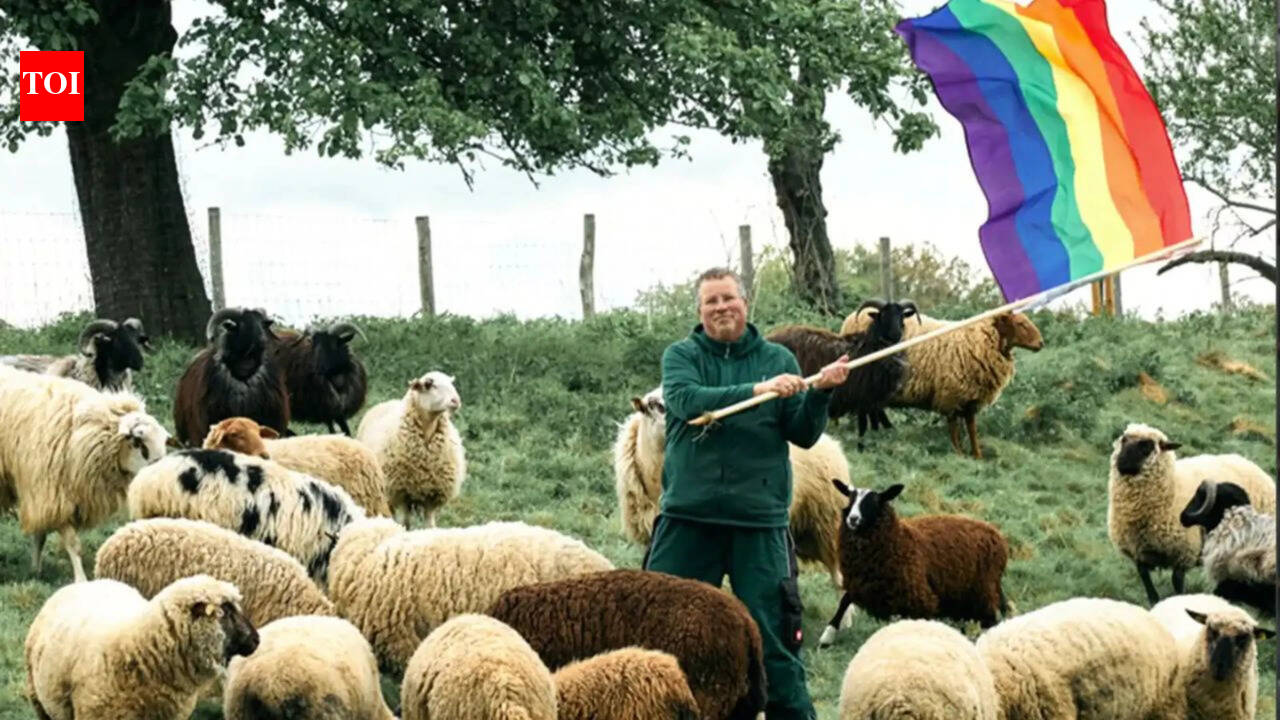
German farmer Michael Stücke has launched the Rainbow Wool project to rescue 'gay sheep' discarded by the agricultural industry. This initiative challenges societal prejudices regarding sexual orientation while funding refugee support through wool sales.
The Rainbow Wool Initiative: Challenging Industry Norms
German farmer Michael Stücke has garnered international attention for his unique animal welfare project, the 'Rainbow Wool' initiative. By rescuing sheep that exhibit homosexual behavior—animals typically culled or discarded by the commercial agricultural industry due to perceived lack of breeding utility—Stücke is highlighting a critical intersection between animal welfare and social advocacy. This project serves as a practical intervention against the industrial practice of discarding livestock based on non-conforming reproductive behaviors.
Scientific Perspectives on Animal Behavior
At the heart of Stücke’s mission is a biological argument: the existence of homosexuality in the animal kingdom. By creating a sanctuary for these sheep, the project provides a living counter-narrative to the common societal misconception that sexual orientation is a 'choice.' Ethologists have long documented homosexual behavior in hundreds of species, suggesting that such traits are natural variations rather than deviations. By bringing these animals into the public eye, Stücke effectively utilizes biological reality to challenge rigid societal prejudices.
Economic Empowerment and Social Impact
The Rainbow Wool project is not merely a sanctuary; it is a sustainable economic model. By processing the wool from these rescued sheep and selling it, Stücke generates revenue that is directly funneled into the LSVD+ foundation. This organization is a prominent advocate for the rights of LGBTQ+ individuals and provides essential support to refugees. This creates a circular economy of compassion, where the rescue of marginalized animals directly supports the rescue and integration of marginalized human populations.
Challenging Industry Standards
The agricultural industry often operates on strict utility-based metrics, where animals are valued primarily for their reproductive output or meat yield. Stücke’s initiative challenges the ethics of this 'discard culture.' By assigning value to animals that the industry deems useless, he forces a broader conversation about how we treat sentient beings. This shift from viewing animals as mere commodities to viewing them as symbols of rights advocacy represents a significant evolution in agricultural ethics.
Global Implications and Future Advocacy
Looking forward, the Rainbow Wool project acts as a catalyst for global discussions on acceptance and safety. As the project continues to gain visibility, it serves as a powerful tool for educators and activists who seek to normalize diversity. By bridging the gap between rural farming practices and modern human rights advocacy, Stücke has created a replicable model that demonstrates how individual initiatives can address systemic biases. The project remains a testament to the power of empathy in challenging outdated norms, ensuring that both the sheep and the human causes they support receive the protection they deserve.