The Taste by Vir Sanghvi: Michelin faces questions over Dubai stars and government ties
Source Entity
Latest News: Todays Latest News Headlines from India & World | Hindustan Times | Hindustan Times
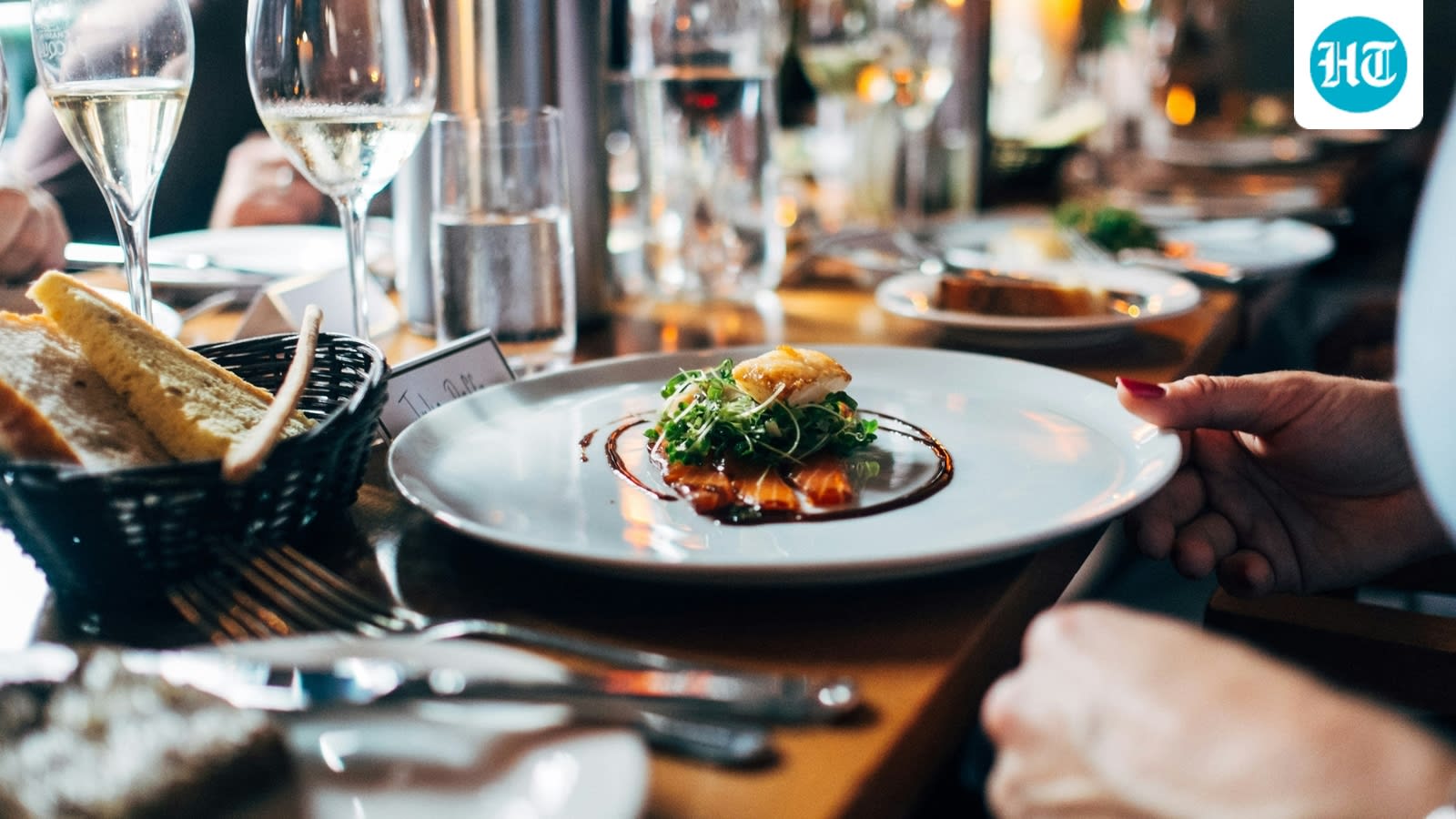
The Michelin Guide faces scrutiny regarding its Dubai expansion, specifically concerning the awarding of stars to closed establishments and its financial ties to the local government. These controversies highlight the challenges of maintaining culinary prestige while navigating commercial partnerships in emerging markets.
The Michelin Guide’s Dubai Dilemma: Prestige Meets Commercial Pressure
The Michelin Guide, historically viewed as the definitive arbiter of global culinary excellence, finds itself at the center of a growing controversy regarding its expansion into the Dubai market. While the brand has successfully transitioned from a tire-company marketing tool to a global gastronomic benchmark, the recent revelations regarding its Dubai operations have raised significant questions about the integrity of its evaluation process. The core of the tension lies in the intersection of high-stakes luxury hospitality and the commercial incentives inherent in government-backed tourism initiatives.
The Glitz of Ceremony vs. The Reality of Operations
The glamour of the Michelin award ceremony in Dubai, attended by culinary luminaries like Jason Atherton and Bjorn Frantzen, serves as a testament to the city's ambition to become a global food capital. However, the prestige of such an event is now being overshadowed by reports that the guide bestowed stars upon restaurants that were already closed. This technical failure in the evaluation process undermines the fundamental promise of the Michelin Guide: that the stars represent a current, reliable recommendation for diners seeking quality.
The Question of Commercial Ties
A primary point of contention is the nature of the partnership between the Michelin Guide and the Dubai government. In many emerging culinary destinations, local tourism boards provide significant financial support to attract the guide, hoping to boost international tourism and brand prestige. Critics argue that this symbiotic relationship creates an inherent conflict of interest, where the pressure to promote the destination may inadvertently influence the rigor of the inspection process. If the guide's presence is contingent on public funding, the objectivity that has defined the brand for over a century is inevitably placed under scrutiny.
Historical Context and Brand Evolution
Historically, Michelin established its reputation through anonymity and strict, independent inspections. As the guide has expanded to dozens of countries, the logistics of maintaining this level of oversight have become increasingly complex. The transition from a European-centric authority to a global arbiter has required Michelin to adapt to different market structures, often leading to partnerships with local entities. The Dubai experience serves as a cautionary tale of what happens when the speed of expansion outpaces the consistency of the review process.
Future Trends in Culinary Criticism
Looking ahead, the Michelin Guide must address these credibility gaps to avoid long-term damage to its brand. As the digital age allows for real-time, peer-reviewed feedback via social media and crowdsourced platforms, the traditional, slow-moving model of the Michelin inspector is being challenged. Future trends suggest that the guide will need to provide greater transparency regarding its evaluation timelines and its commercial arrangements. If the guide cannot guarantee that its stars reflect the current, operational reality of the restaurants it ranks, it risks losing its status as the 'gold standard' in a competitive and increasingly skeptical culinary landscape.
Verification Required?