Microsoft’s DLSS competitor is out for the Xbox Ally X and works in handheld mode
Source Entity
Jay Peters
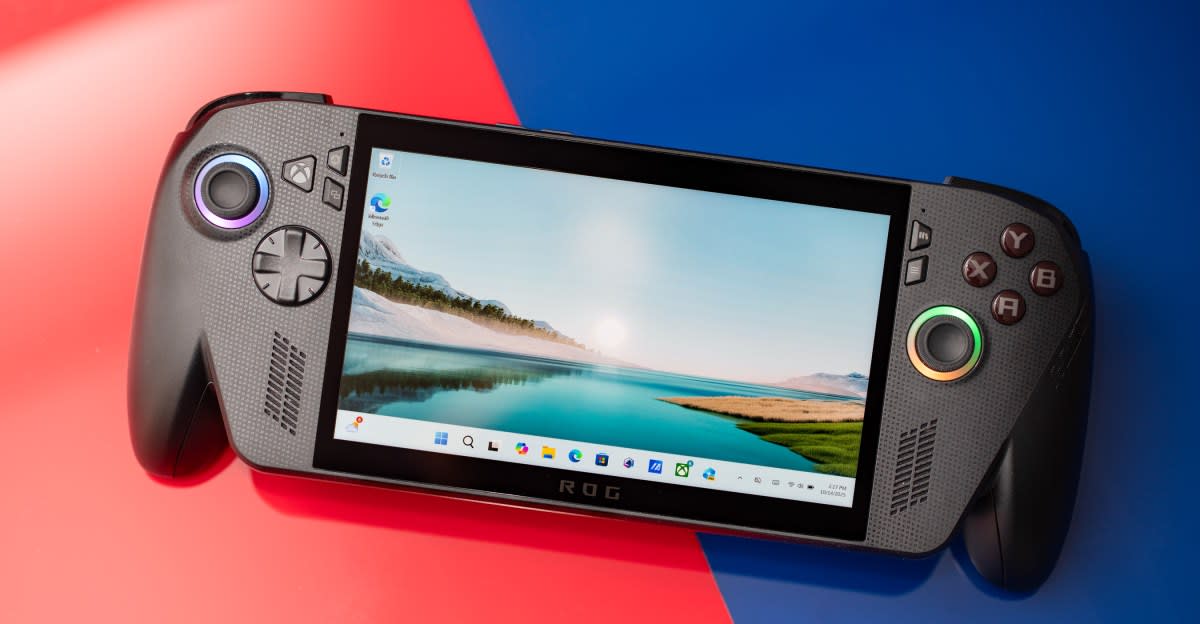
Microsoft has officially launched its Automatic Super Resolution (Auto SR) upscaling technology for the Xbox Ally X and select Copilot Plus PCs. This update enables handheld performance support and native 1080p gaming, directly challenging Nvidia's DLSS technology.
Microsoft Challenges Upscaling Market with Auto SR
Microsoft has officially expanded the reach of its Automatic Super Resolution (Auto SR) technology, marking a significant milestone in the company’s efforts to compete with industry-standard upscaling solutions like Nvidia’s Deep Learning Super Sampling (DLSS). By rolling out this feature to the Xbox Ally X, Xbox Ally X20, and specific Windows Copilot Plus PCs, Microsoft is positioning itself as a major player in the hardware-agnostic upscaling space.
Moving Beyond Docked Limitations
Previously, Microsoft’s testing phase for Auto SR, which began in April, was significantly hampered by hardware limitations that restricted the technology to docked configurations. The official release addresses these constraints by enabling Auto SR to function effectively while in handheld mode and running on battery power. This is a critical development for mobile gaming devices, where power efficiency and thermal management are paramount, allowing users to experience enhanced visuals without sacrificing the portability that defines the handheld market.
Technical Advancements and 1080p Support
Beyond the transition to handheld support, the latest update introduces new features that broaden the utility of Auto SR. Most notably, the technology now supports games running at 1080p resolution. This shift is essential as 1080p remains the standard target resolution for most handheld gaming platforms. By providing an intelligent upscaling solution that bridges the gap between performance and visual fidelity, Microsoft is attempting to maximize the graphical output of hardware that may otherwise struggle to maintain high frame rates at native resolution.
The Competitive Landscape of Upscaling
Microsoft's entry into the upscaling arena places it in direct competition with Nvidia's DLSS and AMD's FSR. While DLSS has long been considered the gold standard due to its reliance on dedicated AI hardware (Tensor cores), Microsoft’s Auto SR leverages the NPU (Neural Processing Unit) found in Copilot Plus PCs. This suggests a strategic pivot toward utilizing specialized silicon for AI-driven graphical enhancements, a trend that is likely to define the next generation of Windows-based gaming devices.
Broader Implications for Windows Gaming
This rollout underscores Microsoft’s commitment to the Windows gaming ecosystem, particularly regarding the growing segment of handheld PCs. By integrating Auto SR directly into the operating system and hardware stack, Microsoft is reducing the barrier to entry for developers and users alike. As the company continues to refine this technology, we can expect deeper integration within the Windows environment, potentially influencing how future games are optimized for diverse hardware configurations.
Future Outlook for Handheld Gaming
Looking ahead, the success of Auto SR will likely be measured by its ability to maintain image quality while boosting frame rates across a wide variety of titles. As more Copilot Plus PCs reach the market, Microsoft’s ability to offer a seamless, high-performance gaming experience on mobile hardware will be a key differentiator. This move not only enhances the value proposition of the Xbox Ally series but also sets a new expectation for what users should demand from their portable gaming devices.