5 questions to ask if your boss offers you a buyout, as Microsoft did with 60,000 employees
Source Entity
Charlie Garcia
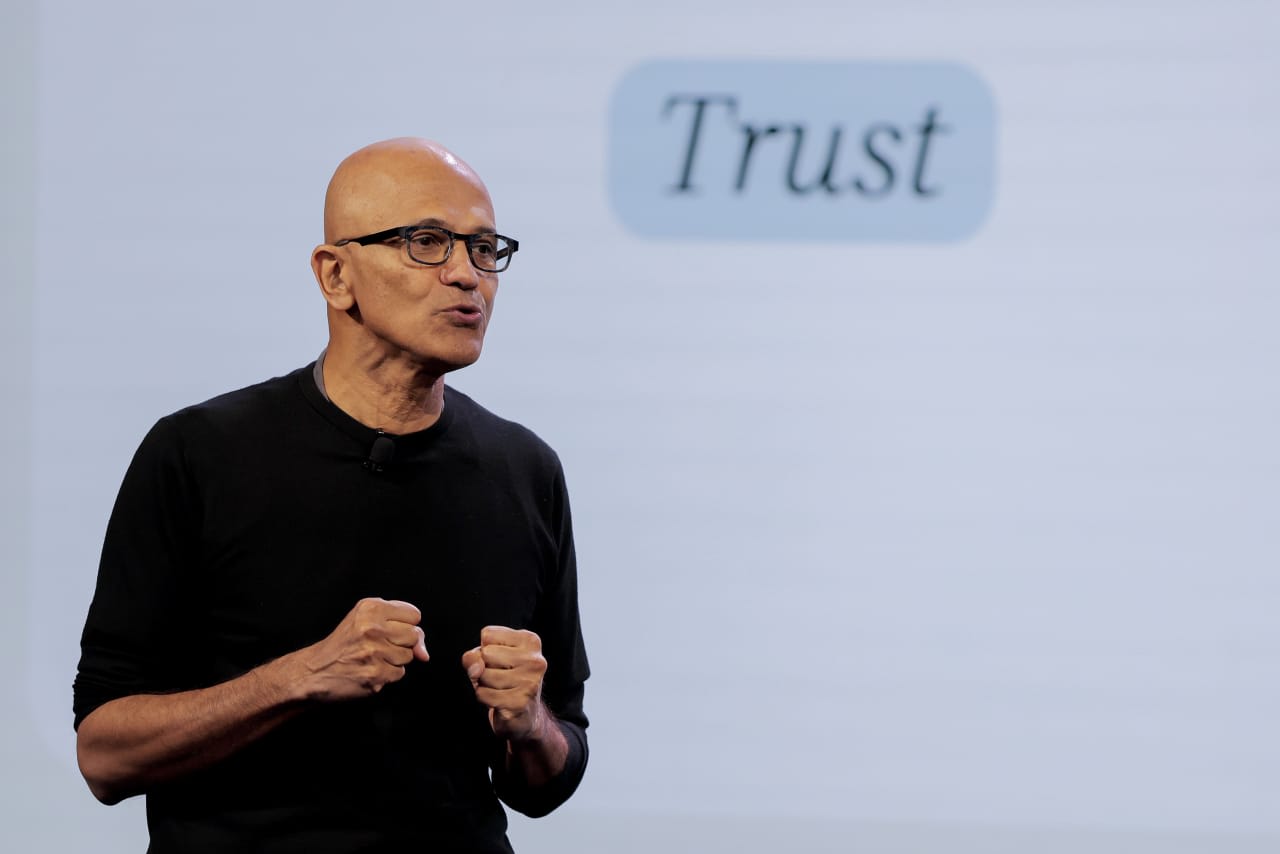
Microsoft is facing scrutiny after offering buyouts to a significant portion of its workforce while simultaneously reporting massive $45.2 billion capital expenditures. This move highlights a strategic pivot toward aggressive AI infrastructure investment at the expense of traditional headcount.
The Strategic Pivot: Microsoft’s Capital Reallocation
Microsoft’s recent decision to offer buyouts to approximately 60,000 employees—more than a quarter of its global workforce—marks a seismic shift in corporate resource allocation. This development, occurring in tandem with an unprecedented $45.2 billion in capital expenditure for a single quarter, underscores a singular focus on Artificial Intelligence. By trimming personnel costs while simultaneously pouring billions into infrastructure, the company is signaling that its future growth is tethered to computational capacity rather than legacy operational models.
The Cost of AI Supremacy
The sheer scale of the $45.2 billion capital expenditure is historically significant. This level of spending, primarily directed toward AI-specific hardware and data centers, represents a high-stakes gamble. In the tech industry, such aggressive capital outlays are often accompanied by 'right-sizing' initiatives, where companies reduce headcount to offset the massive costs of building the foundation for large language models and cloud-based AI services. This suggests a transition where human capital is increasingly viewed as secondary to the physical and digital infrastructure required to lead the AI arms race.
Evaluating the Buyout Offer
For the 60,000 employees targeted by these buyout packages, the decision-making process is fraught with complexity. When a tech giant known for stability initiates such a massive voluntary separation program, it reflects a fundamental change in the corporate landscape. Employees are forced to weigh the immediate financial incentive of a buyout against the long-term career risks of staying within a firm undergoing a rapid, technology-driven restructuring that prioritizes automation over traditional labor roles.
Broader Industry Implications
The ripple effects of Microsoft’s strategy are likely to be felt across the broader technology sector. As Microsoft pushes the boundaries of AI infrastructure spending, competitors are pressured to follow suit, potentially leading to a wave of similar labor-market corrections. This trend suggests that the 'AI era' will be defined not just by technological breakthroughs, but by a significant shift in corporate balance sheets, where capital expenditure on hardware supersedes the value historically placed on human-led operational departments.
Future Trends in Tech Employment
Looking ahead, this event serves as a bellwether for the future of work in the tech industry. As companies continue to integrate AI into their core operations, the demand for specialized, high-level engineering roles may grow, while administrative and support roles face increasing vulnerability. The Microsoft case provides a clear roadmap of how massive, capital-intensive investments in AI can lead to immediate and drastic changes in employment structures, setting a precedent that other enterprises will likely emulate in the coming fiscal cycles.
Conclusion
Ultimately, the intersection of massive capital spending and widespread buyout offers reveals the high cost of maintaining a competitive edge in the current AI-dominated market. While Microsoft’s financials remain strong, the human cost of this transition is substantial. Stakeholders and employees alike must recognize that this shift is not merely a temporary adjustment, but a structural realignment of corporate priorities toward AI-driven efficiency.
Verification Required?