Copilot is "the new OS for work," and now Office runs inside of it
Source Entity
Nick Indge
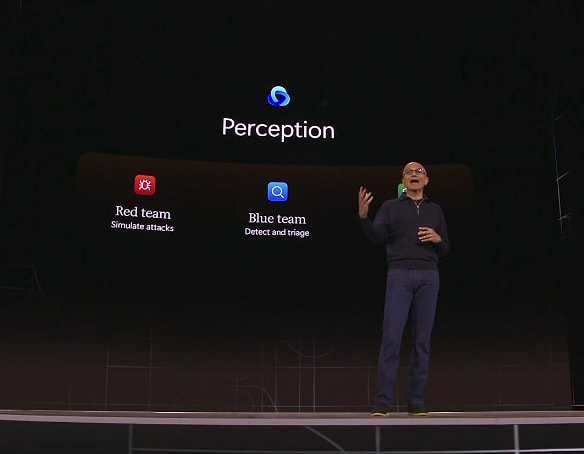
Microsoft is repositioning its core Office suite as integrated components within the Copilot AI ecosystem. This shift marks a strategic move toward agent-driven workflows that leverage organizational data to automate complex productivity tasks.
The Paradigm Shift: Microsoft’s New Frontier
At the recent Ignite event, Microsoft CEO Satya Nadella unveiled a transformative vision for the future of productivity, characterizing Copilot as the "new OS for work." By integrating Word, Excel, and PowerPoint directly into the Copilot interface, Microsoft is effectively reversing the traditional relationship between software and artificial intelligence. Historically, AI assistants were relegated to secondary roles as helpful add-ons; now, the agent is positioned as the primary interface, with traditional applications acting as modular plugins.
The Inversion of User Experience
This architectural pivot represents a fundamental change in how users interact with digital tools. Previously, users launched individual applications like Word or Excel to perform specific tasks. Under the new model, the user interacts with a centralized AI agent that orchestrates these applications to achieve a desired outcome. This move signifies that Microsoft no longer views its software suite as the destination, but rather as a supporting infrastructure for an intelligence-led workflow.
Contextual Intelligence and Organizational Data
Central to this evolution is the "organizational knowledge layer." By drawing context from a user’s entire digital footprint—including emails, calendar events, meetings, and shared files—Copilot gains the ability to perform tasks with a level of relevance previously impossible for standalone apps. This deep integration allows the AI to act not just as a tool for creation, but as a proactive partner that understands the specific nuances of a user’s professional environment.
The Rise of Autonomous Agents
Beyond the current integration of Office applications, Microsoft is signaling a future defined by "always-on agents." These autonomous entities are designed to operate continuously in the background, managing workflows without constant manual input. This transition from reactive tools to proactive agents suggests that the next phase of enterprise software will focus on automation, where the AI anticipates needs and executes complex multi-step processes across various data silos.
Broader Industry Implications
This strategic shift forces a reevaluation of software design across the entire tech industry. By treating applications as plugin components, Microsoft is setting a new standard for interoperability and AI-first development. Competitors will likely face immense pressure to abandon siloed app architectures in favor of unified, agent-based ecosystems that prioritize context over raw feature sets.
Future Trends in Enterprise Productivity
Looking ahead, the success of this "frontier ecosystem" will depend on how effectively Microsoft can manage data security and user trust while granting agents increased autonomy. As these agents become more sophisticated, we can expect a shift toward "outcome-oriented" computing, where the focus moves away from the mechanics of formatting and data entry, and toward the strategic synthesis of information. The era of the application as an isolated island is ending, replaced by a fluid, intelligence-driven work environment.