Inside Microsoft’s big Copilot rethink
Source Entity
Tom Warren
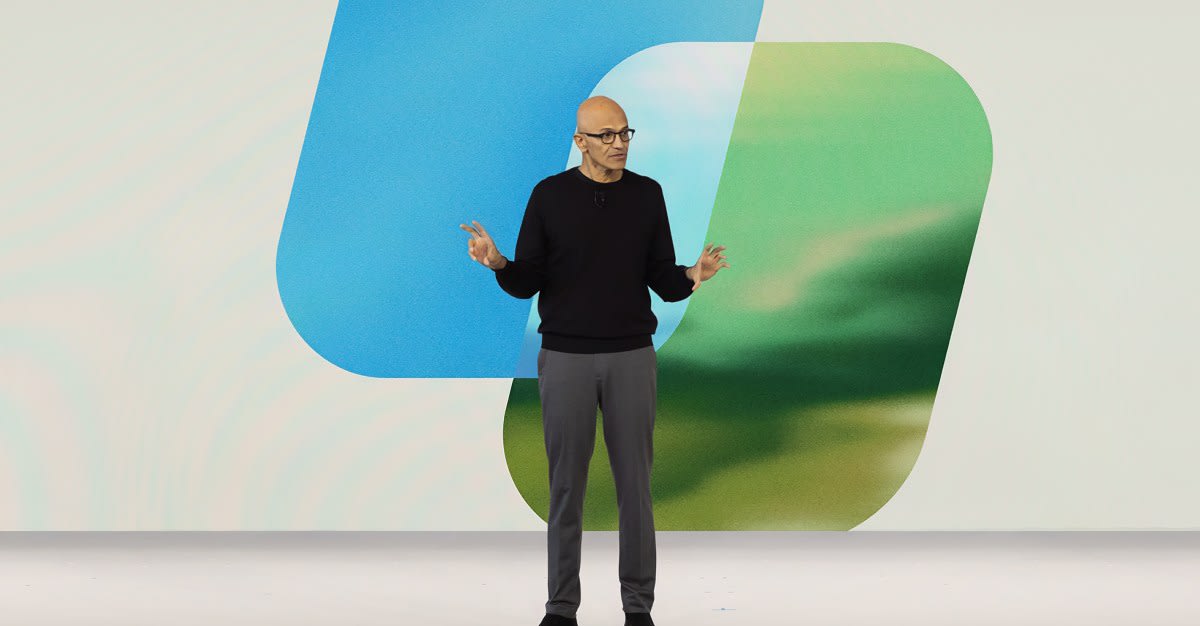
Microsoft is undergoing a significant leadership transition as Office and Teams chief Ryan Roslansky announces his departure. This change coincides with CEO Satya Nadella's strategic pivot to position Copilot as the new 'OS for work' amidst a broader wave of executive turnover.
A Leadership Transition at a Critical Juncture
Microsoft is currently navigating a period of profound organizational change, marked by the announced departure of Ryan Roslansky, the current head of Office and Teams. Roslansky, who previously served as the CEO of LinkedIn, has been a fixture at the company for nearly 18 years, playing a pivotal role in the professional networking platform’s growth since joining in 2009. His exit, scheduled for the end of 2026, represents a significant loss of institutional knowledge for the Redmond-based giant.
A Pattern of Executive Flux
Roslansky’s departure is not an isolated event but rather part of a broader trend of executive movement within Microsoft's upper echelons. This year alone, the company has seen the exit of notable figures such as gaming head Phil Spencer and Office leader Rajesh Jha. Furthermore, key personnel shifts, such as security head Charlie Bell transitioning to an individual contributor role, suggest that Microsoft is undergoing a fundamental restructuring of its leadership team to align with its evolving technological priorities.
The Strategic Pivot to Copilot
While the company recalibrates its leadership, CEO Satya Nadella is aggressively steering the ship toward a future dominated by generative artificial intelligence. In a recent, intimate event for enterprise customers, Nadella framed Microsoft’s latest iteration of Copilot not merely as an add-on, but as the new "OS for work." This strategic vision seeks to integrate coding and agent capabilities directly into the software, mirroring the transformative impact that Excel and the Office suite had on corporate productivity in the 1980s and 90s.
Redefining the Digital Workplace
Nadella’s "Copilot-first" strategy aims to eliminate the friction of legacy workflows—such as interoffice memos and fragmented data artifacts—by centralizing intelligence within the Microsoft ecosystem. By bringing the full power of Office into Copilot, Microsoft is attempting to create a seamless environment where AI acts as an autonomous agent, effectively redefining the role of software in the modern enterprise.
Implications for Future Growth
This transition period presents both a challenge and an opportunity. The loss of veteran leaders like Roslansky requires Microsoft to successfully integrate new talent who can execute on the "OS for work" vision. As the company bets its future on AI-driven productivity, the internal shift in leadership will likely determine how effectively it can maintain its market dominance against emerging competitors in the generative AI space.
Conclusion: A New Era for Microsoft
Ultimately, Microsoft is in the midst of a high-stakes evolution. By merging the legacy success of the Office suite with the cutting-edge capabilities of AI, the company is attempting to secure its relevance for the next several decades. Whether these leadership changes will provide the necessary agility to achieve this remains one of the most significant corporate narratives in the technology sector today.
Multiple Citing Sources