Middle East On Boil Again? Iran Threatens "Zero Hour", Trump Deploys Planes
Source Entity
NDTV News Search Records Found 1000
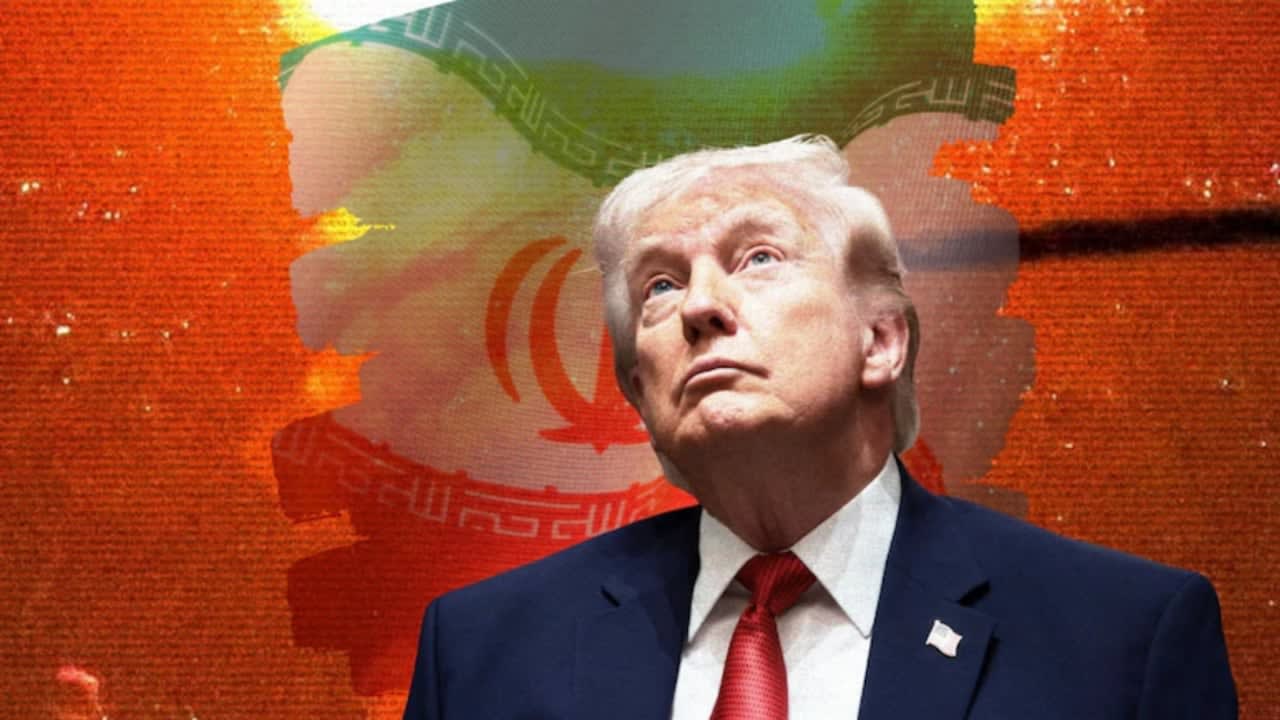
Tensions in the Middle East have escalated as Iran issues "Zero Hour" warnings amid reports of potential U.S. military action. Officials suggest that former President Trump may authorize strikes in the near term.
The Middle East Brink: Escalating Tensions and Strategic Posturing
Recent reports indicate a sharp rise in regional instability as Iran has issued provocative warnings, signaling a potential "Zero Hour" in its ongoing geopolitical standoff. This rhetoric, characterized by high-stakes brinkmanship, follows a period of mounting friction between Tehran and Western powers. The situation is further complicated by reports citing senior American and Israeli officials who suggest that Donald Trump could order military strikes in the coming days, marking a critical inflection point in regional security dynamics.
The Mechanics of Escalation
The declaration of a "Zero Hour" by Iranian leadership is a well-documented tactical maneuver designed to signal both domestic resolve and external deterrence. Historically, such language is intended to compel adversaries to pause or reconsider military posturing. However, the current climate is uniquely volatile. With high-level intelligence reports suggesting that the U.S. may be preparing for offensive operations, the threshold for miscalculation has reached a dangerous zenith, potentially triggering a broader kinetic conflict.
Strategic Implications of U.S. Deployment
The reported deployment of American planes and the potential for authorized strikes reflect a shift toward a more aggressive containment strategy. By leveraging air power, the U.S. aims to project force without necessarily committing to a prolonged ground presence. This approach is consistent with historical patterns of American power projection in the Middle East, where aerial superiority is used to neutralize specific threats or enforce red lines established by the White House.
The Role of International Alliances
The close coordination between American and Israeli officials underscores the deep security architecture binding these two nations. Israel’s involvement in these intelligence assessments highlights a shared strategic objective: the neutralization of perceived Iranian threats to regional stability. This alliance remains the cornerstone of Middle Eastern security policy, and the synchronization of their military planning is a clear signal to Tehran regarding the consequences of further escalation.
Future Trends and Regional Stability
Looking forward, the trajectory of this conflict depends heavily on whether diplomatic backchannels can mitigate the current momentum toward confrontation. If the "Zero Hour" threats translate into tangible military action, the region could face a period of sustained volatility, impacting everything from global energy markets to diplomatic relations. Conversely, if these maneuvers serve primarily as strategic posturing, we may see a temporary cooling-off period, though the underlying drivers of the conflict will undoubtedly persist.
Conclusion
In summary, the Middle East stands at a precarious juncture where rhetoric and military deployment have converged to create a high-risk environment. The reported potential for U.S. strikes, coupled with Iranian bellicosity, demands close observation. As the international community watches, the primary concern remains the prevention of a wider conflict that could destabilize the entire region for years to come.
Verification Required?