1 Assam Rifles jawan dead; 4 injured in militant attack in Arunachal: Police
Source Entity
Latest News: Todays Latest News Headlines from India & World | Hindustan Times | Hindustan Times
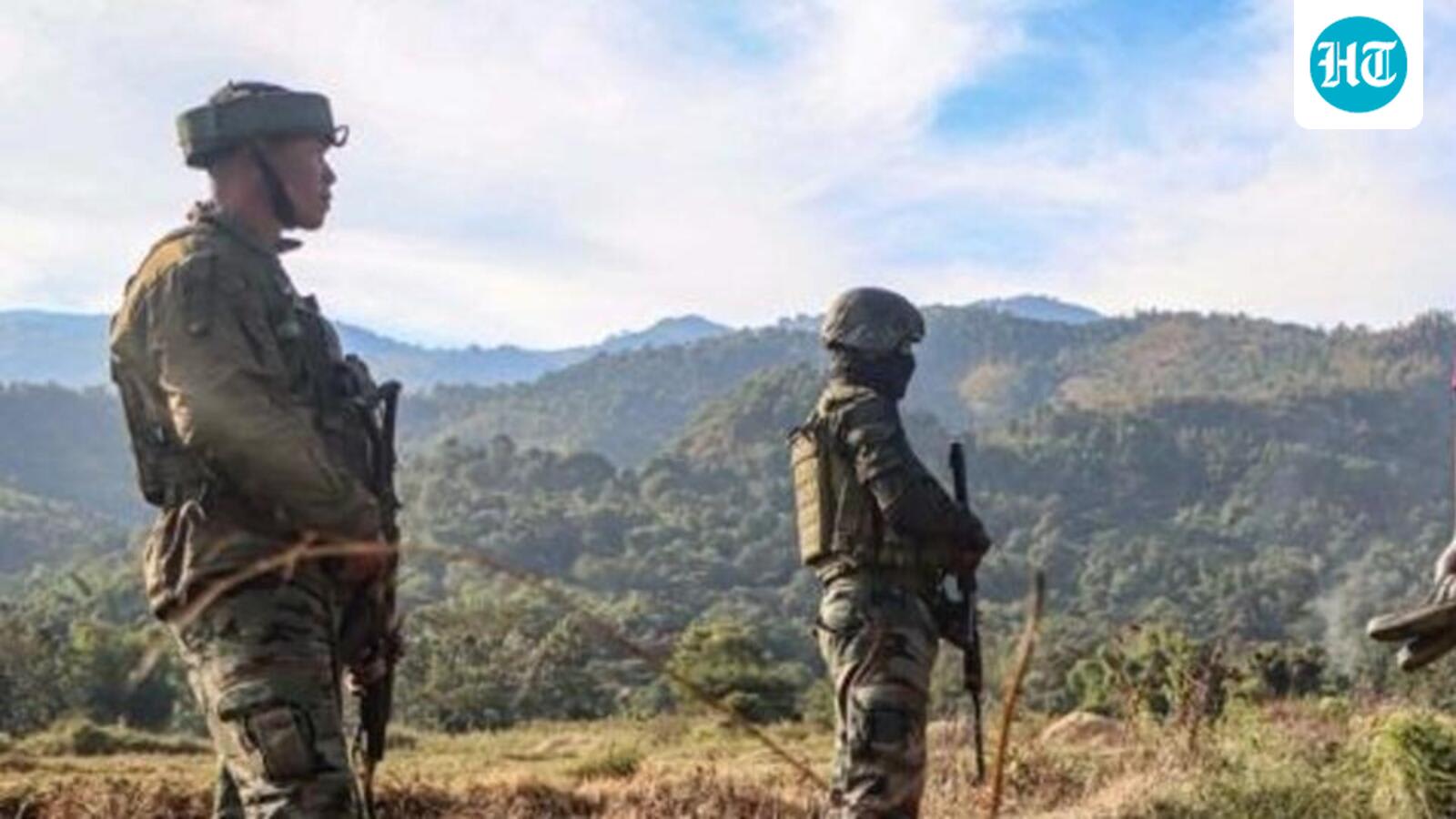
An Assam Rifles jawan was killed and four others injured in an attack by suspected militants along the India-Myanmar border in Arunachal Pradesh. Separately, Baloch separatist rebels claimed responsibility for killing nine Pakistani soldiers in a major attack. Both incidents highlight the persistent volatility and security challenges in border regions across South Asia.
Border Volatility: Security Crises in India and Pakistan
The Arunachal Pradesh Incident
A tragic security breach occurred on Tuesday morning in the Changlang district of Arunachal Pradesh, where a patrol team of the Assam Rifles was ambushed by suspected militants. The attack resulted in the death of 42-year-old Havildar Jankhokai Kuki and left four other personnel injured. Local authorities, including Changlang Superintendent of Police Kirli Padu, have launched an investigation into the incident, which underscores the extreme sensitivity of the India-Myanmar border (IMB).
Geopolitical Context of the India-Myanmar Border
The Changlang region has long served as a corridor for insurgent groups navigating the dense, porous terrain between India and Myanmar. The IMB remains a challenging operational environment for Indian security forces, who must contend with rugged geography and the clandestine movement of militant factions. This attack serves as a stark reminder of the persistent security threats that necessitate constant vigilance by forces like the Assam Rifles, tasked with maintaining the integrity of the border.
Escalation in Balochistan
Simultaneously, the broader South Asian security landscape saw a significant escalation as Baloch separatist rebels claimed responsibility for an attack that reportedly killed nine Pakistani military personnel. The development is particularly notable as the rebels identified this action as being carried out by their first-ever unit composed entirely of women. This marks a shift in the tactical composition of separatist forces operating within Pakistan.
Strategic Implications of Regional Instability
Both the attack in Arunachal Pradesh and the insurgency in Balochistan highlight the ongoing challenges of border security and internal stability facing regional powers. While the motivations and geopolitical contexts differ—ranging from anti-state secessionist movements in Balochistan to cross-border insurgent activity in the northeast—both incidents illustrate how militant groups are evolving their tactics to challenge state authority and security infrastructure.
Future Outlook and Security Trends
Moving forward, security agencies in both India and Pakistan are likely to reassess their counter-insurgency strategies. The use of new tactical units, as seen with the Baloch rebels, and the continued exploitation of remote border regions by militants in Arunachal Pradesh suggest that the nature of these conflicts is far from stagnant. Enhanced intelligence gathering, increased border surveillance, and refined rapid-response protocols will be essential for states to mitigate the risks posed by these persistent insurgent threats.
Multiple Citing Sources
Verification Required?