Aftermath Visuals Show Extent Of Flood And Landslide Damage In Nepal | HT India
Source Entity
Latest News: Todays Latest News Headlines from India & World | Hindustan Times | Hindustan Times
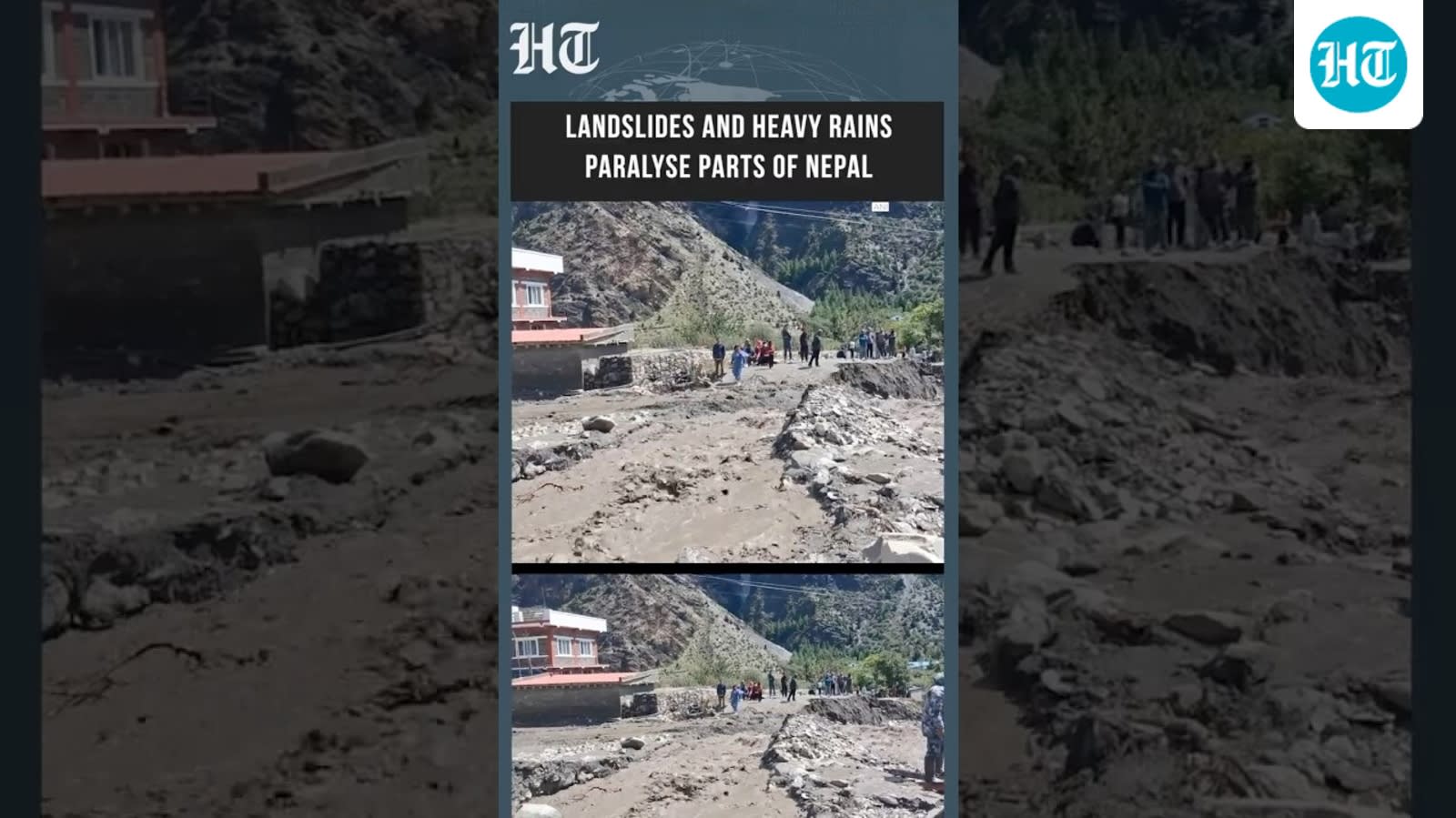
Incessant heavy rainfall in Nepal since September 24 has caused widespread devastation, resulting in 27 deaths and significant infrastructure damage. Landslides and floods have disrupted essential services across multiple districts, impacting over 1,000 families.
The Devastation of Nepal's Late-Monsoon Crisis
Starting on September 24, Nepal has been gripped by a severe weather event characterized by incessant, heavy rainfall. This meteorological phenomenon has triggered a cascade of natural disasters, primarily landslides and floods, which have crippled infrastructure and left a trail of destruction across the nation. Official reports from the Nepal Home Ministry confirm that as of September 28, at least 27 individuals have lost their lives, with four people still reported missing and eight injured. The sheer scale of the tragedy is reflected in the impact on the local population, with 1,082 families directly affected and a significant loss of 114 livestock, which serves as a critical economic blow to rural households.
The Mechanics of the Disaster: Landslides and Floods
The data provided by authorities highlights a disturbing trend in the nature of these incidents. Between September 24 and 28, the country experienced 304 distinct landslide events, which proved to be the deadliest, accounting for 20 of the 27 total fatalities. Additionally, 87 flood-related incidents and 151 heavy rainfall-related incidents have further compounded the crisis. The geographical vulnerability of districts like Myagdi and Mustang—areas known for their rugged, high-altitude terrain—has made them particularly susceptible to the catastrophic combination of soil saturation and slope instability that follows prolonged, intense precipitation.
Infrastructure and Service Disruption
Beyond the immediate loss of life, the structural integrity of Nepal’s transport and utility networks has been severely compromised. Visual documentation from the affected districts shows heavily damaged roads and compromised community infrastructure, which significantly hampers rescue and relief operations. The disruption of electricity and essential services creates a secondary crisis for survivors, as local authorities struggle to reach isolated communities. The destruction of arterial roads not only limits the movement of people but also prevents the delivery of humanitarian aid, food, and medical supplies to the most vulnerable regions.
Socio-Economic Implications
The impact on the agricultural sector and rural livelihoods cannot be overstated. With 114 livestock killed, many families in districts like Myagdi and Mustang have lost their primary source of sustenance and income. In a country where geography already dictates the pace of economic development, these recurring monsoon-induced disasters act as a significant barrier to poverty reduction. The loss of housing and essential infrastructure necessitates a massive recovery effort, placing an immense burden on the national government and local administrations to restore normalcy to the displaced 1,082 families.
Future Trends and Resilience
This event underscores the increasing volatility of weather patterns in the Himalayan region. As climate change continues to influence the intensity of the monsoon season, Nepal faces an urgent need to re-evaluate its disaster risk reduction (DRR) strategies. Future trends suggest that the frequency of such extreme weather events may continue to rise, necessitating more robust early-warning systems, improved infrastructure resilience, and better urban planning to prevent future loss of life. Addressing these challenges requires not only immediate relief but also long-term investment in climate-resilient engineering and regional cooperation to mitigate the impact of future seasonal catastrophes.
Verification Required?