Trump Escalates Trade War With Canada, Bans Nearly $1 Billion In Imports
Source Entity
NDTV News Search Records Found 1000
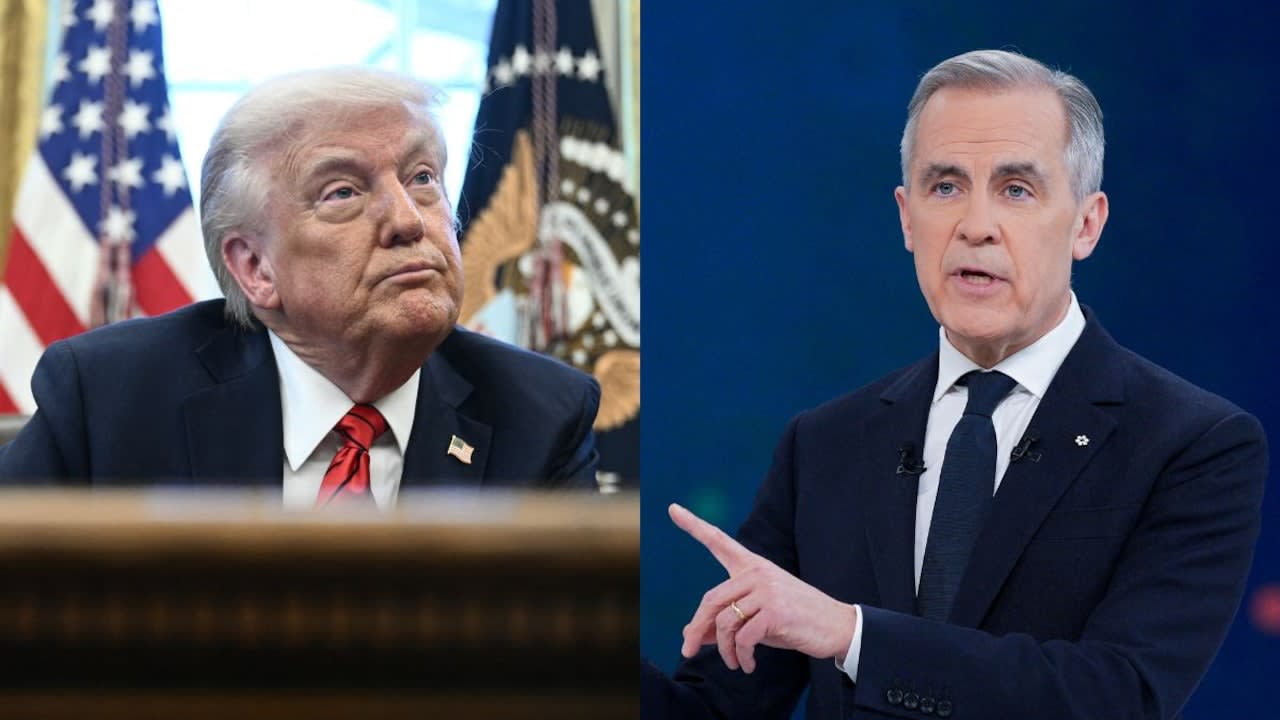
President Donald Trump has imposed a sweeping ban on nearly $20 billion in Canadian imports, including vehicles, dairy, and spirits. The administration aims to pressure Ottawa into trade concessions, though Canadian officials remain firm against signing an unfavorable agreement.
Escalation in North American Trade Relations
President Donald Trump has significantly intensified trade tensions with Canada by implementing a ban on a broad array of imported goods. This policy shift, which targets approximately $19.9 billion worth of Canadian products, represents a pivotal moment in the bilateral economic relationship between the two nations. By restricting the flow of specific commodities, the administration is utilizing aggressive trade measures to leverage political and economic concessions from Ottawa.
The Scope of the Import Ban
The restrictions target a diverse range of sectors, reflecting a strategic effort to impact various segments of the Canadian economy. The ban includes motorcycles and mopeds with petrol engines exceeding 800cc, signaling a focus on the automotive and recreational manufacturing sectors. Furthermore, the inclusion of agricultural products—specifically whey and molasses—alongside a wide variety of alcoholic beverages, such as beer, cider, wine, whiskey, and vodka, demonstrates a comprehensive approach to trade disruption that touches upon both industrial and consumer goods.
Strategic Objectives and Political Standoff
The White House has framed this move as a necessary step to compel Canada to renegotiate existing trade terms. President Trump has publicly expressed an expectation that Canadian officials will concede to American demands in the coming weeks. However, this expectation faces a significant hurdle: the Canadian government has maintained a resolute stance, insisting that it will not sign a 'bad deal' simply to alleviate the pressure caused by these new import barriers. This creates a high-stakes standoff with no immediate resolution in sight.
Infrastructure and Economic Connectivity
The physical reality of this trade war is underscored by the activity at key border crossings, such as the Gordie Howe International Bridge. As of September 2026, the bridge remains a vital, yet now more contentious, artery connecting Windsor, Ontario, and Detroit, Michigan. The logistics of cross-border trade, which have historically relied on the seamless movement of goods across such infrastructure, are now being fundamentally altered by these regulatory interventions, forcing businesses to navigate a suddenly volatile landscape.
Broader Economic Implications and Future Trends
While the American Action Forum estimates the impact to be roughly $19.9 billion, the ripple effects are likely to extend beyond the immediate value of the banned goods. For Canada, the loss of access to the American market for these specific products necessitates a rapid pivot in supply chain management and market diversification. Conversely, the American economy may face inflationary pressures or supply chain shortages in the affected sectors. Looking forward, the trajectory of this trade dispute will likely depend on whether both parties can find a middle ground or if the escalation continues, potentially leading to further retaliatory measures and a long-term restructuring of North American trade agreements.
Verification Required?