Mini Cooper was travelling at 162kmph before Kochi crash, BMW report confirms
Source Entity
DISNEY TOM
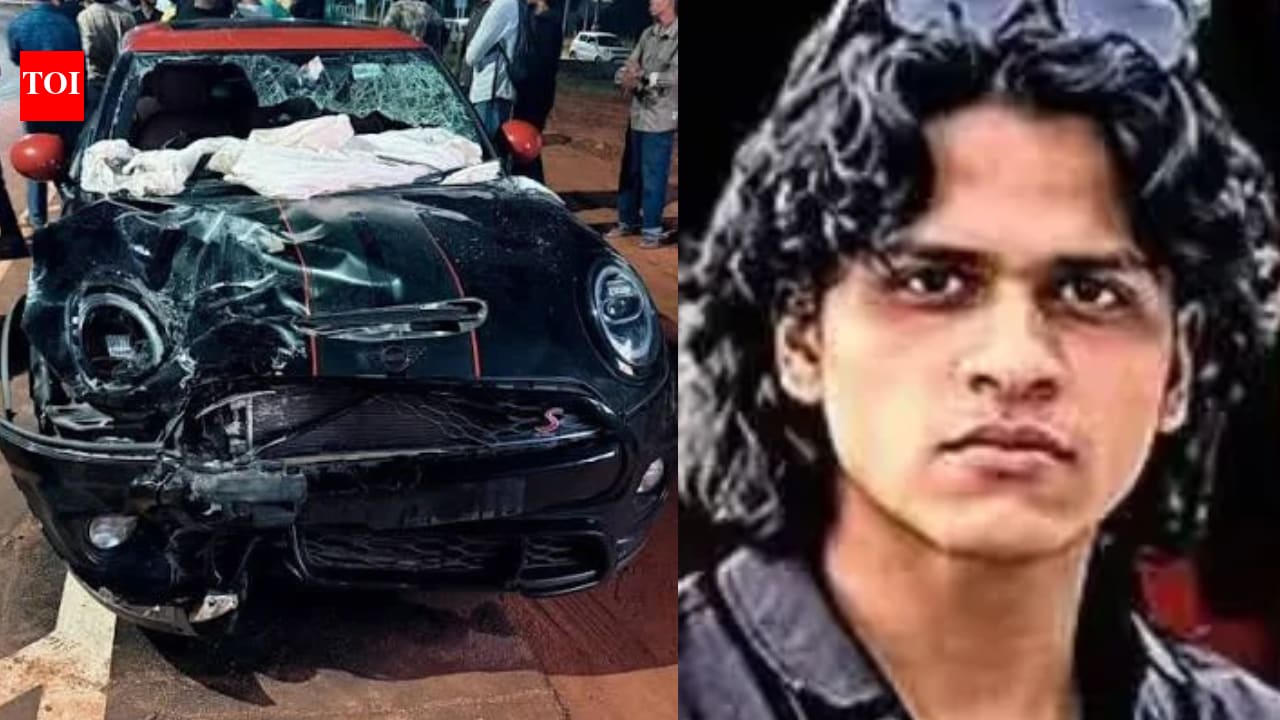
A high-speed Mini Cooper crash in Nedumbassery, Kochi, resulted in three deaths after the vehicle hit a scooter at 144 kmph. While BMW confirmed the extreme speeds, the Kerala High Court recently granted bail to the four accused youths.
The Nedumbassery Tragedy: Technical Analysis and Legal Outcomes
Scientific Confirmation of Excessive Speed
The tragic accident near Nedumbassery, Kochi, which claimed the lives of three young men, has been substantiated by rigorous technical analysis. According to data retrieved from the vehicle’s Advanced Crash Safety Module (ACSM) by BMW India, the Mini Cooper involved was traveling at an alarming 162 kmph shortly before the impact. Scientific evidence further indicates that the vehicle was still moving at 144 kmph at the exact moment of the collision with the scooter. This data, bolstered by CCTV footage showing the car traversing 500 meters in a mere 11 seconds, paints a harrowing picture of reckless driving that left little room for reaction.
The Role of Intoxication and Human Error
Police investigations have identified 19-year-old Suhail Sajeev as the primary accused behind the wheel at the time of the crash. Reports suggest that Sajeev may have been under the influence of alcohol, a factor that significantly impairs judgment and reaction times. The technical report notes that the driver attempted to apply the brakes only seconds before the impact, an action rendered largely ineffective due to the extreme velocity of the vehicle. This incident highlights the catastrophic consequences of combining high-performance machinery with impaired decision-making.
Judicial Perspectives on Bail
In a significant legal development, Justice Kauser Edappagath of the Kerala High Court granted bail to the four accused individuals involved in the case. The court’s decision was predicated on several factors: the youth of the defendants—all in their early twenties—their lack of prior criminal records, and the time already served in judicial custody. The court emphasized that public sentiment should not dictate legal proceedings, stating that it could not be concluded that the accused had premeditated knowledge of the fatal outcome merely based on alcohol consumption or the act of speeding.
Balancing Justice and Legal Precedent
The court's ruling reflects a nuanced approach to the Indian judicial system, which often weighs the potential for rehabilitation against the severity of the offense. While the state had initially sought to extend the custody of the prime accused, Suhail Sajeev, the court ultimately set a release date while allowing the other three accused to be released earlier. This decision underscores the judiciary's commitment to individual rights, even in the face of public outcry following high-profile accidents.
Broader Implications for Road Safety
This incident serves as a grim reminder of the dangers posed by luxury vehicles when operated without regard for road safety regulations. The fact that a modern vehicle's safety module was used to prove such high speeds highlights the increasing role of digital forensics in traffic investigations. As urban areas like Kochi continue to develop, the intersection of high-speed automotive technology and public road safety will remain a critical area of concern for law enforcement and policymakers alike.
Conclusion
While the legal chapter of this tragedy begins to close with the granting of bail, the loss of three lives remains a permanent scar on the community. The case of the Nedumbassery Mini Cooper crash will likely serve as a reference point for future discussions on reckless driving, the role of forensic data in criminal justice, and the delicate balance the courts must maintain between public accountability and individual legal rights.