Ministry of Education sets January 10 deadline for AISHE 2026 higher education survey
Source Entity
The Indian Express
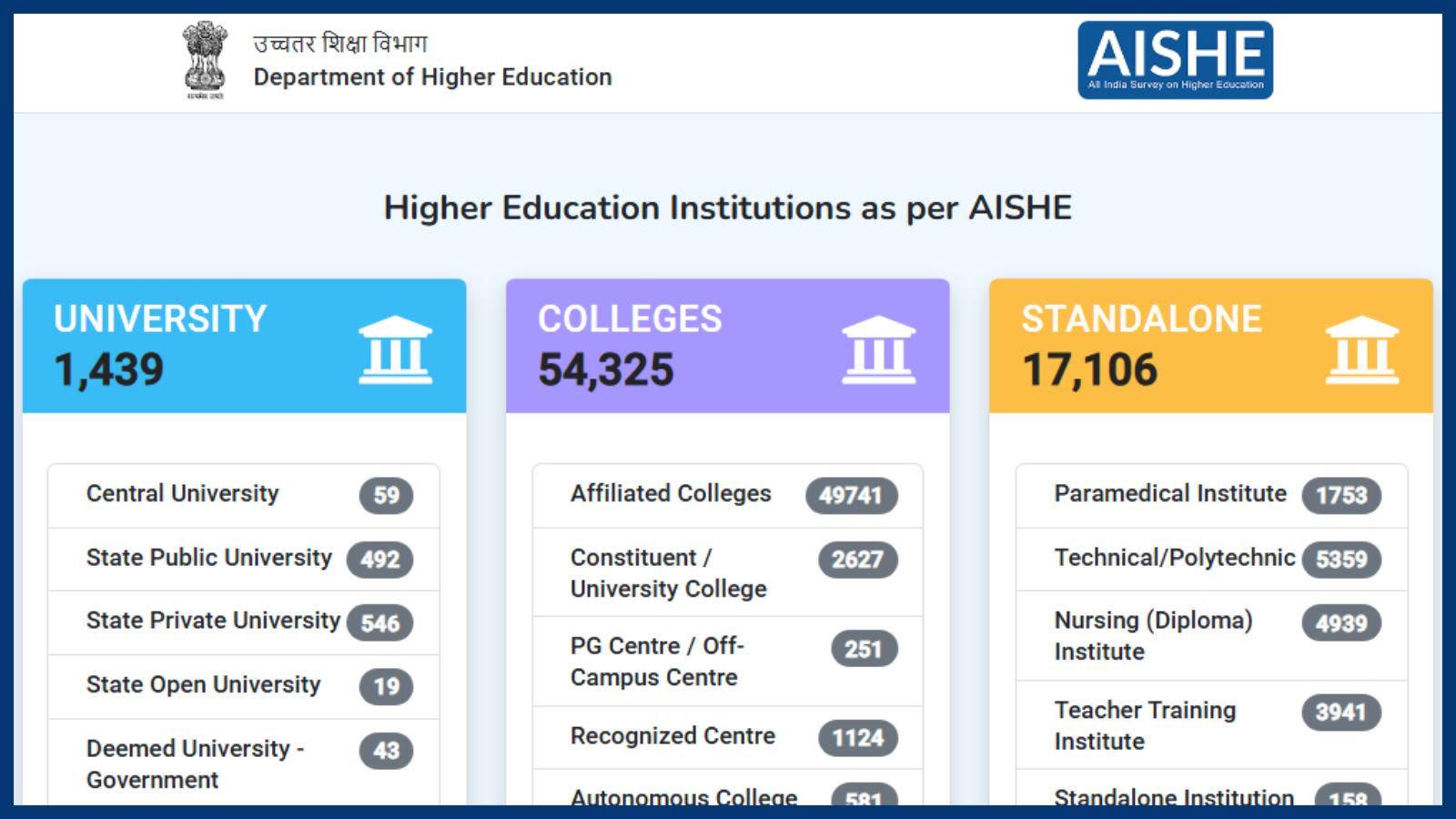
The Ministry of Education has initiated the AISHE 2025-26 survey, setting a January 10 deadline for data submission by states and UTs. This survey is critical for tracking national higher education metrics and informing future policy decisions.
Strengthening India's Educational Data Framework
The Ministry of Education (MoE) has officially commenced the latest cycle of the All-India Survey on Higher Education (AISHE) for the 2025-26 academic year. By mandating that all states and Union Territories submit their comprehensive data by January 10, the Department of Higher Education is prioritizing the timely collection of metrics that define the nation’s academic landscape. This systematic approach ensures that the government maintains a clear, up-to-date visualization of the higher education ecosystem.
The Role of AISHE in Policy Formulation
AISHE stands as the principal source of reliable information regarding India's higher education sector. By tracking essential variables such as the total number of students enrolled, the distribution of faculty, the variety of academic courses offered, and the critical teacher-student ratio, the survey provides a granular look at institutional performance. The data collected serves as the foundational evidence required to draft, implement, and refine national education policies, ensuring that resources are allocated where they are needed most.
Operational Timeline and Transparency
The established deadline of January 10 is integral to the ministry's broader operational schedule. Historically, the MoE has maintained a consistent release cycle, typically publishing the comprehensive AISHE reports between May and July. Adhering to the January submission deadline allows the ministry sufficient time for data cleaning, verification, and analysis. This rigor is essential for maintaining the credibility of the report, which serves as a benchmark for academic institutions and stakeholders nationwide.
Beyond the Numbers: Broader Implications
The data gathered during this survey cycle does more than just populate databases; it influences the strategic direction of Indian higher education. By identifying trends in course popularity and student demographics, the government can better align academic output with the evolving demands of the modern workforce. Furthermore, the teacher-student ratio metric provides a direct indicator of institutional quality, highlighting areas where capacity expansion or faculty recruitment is necessary.
Future Trends and Data-Driven Governance
As India continues to emphasize the expansion of its higher education sector, the importance of data-driven governance cannot be overstated. The AISHE 2025-26 survey represents a commitment to transparency and evidence-based planning. Moving forward, the integration of such comprehensive datasets will likely play a pivotal role in achieving long-term educational objectives, fostering an environment where institutional excellence is measured against standardized, national-level benchmarks.
Conclusion
In summary, the launch of the AISHE 2025-26 survey is a vital administrative step in monitoring the health and growth of India's higher education infrastructure. By enforcing strict submission timelines, the Ministry of Education ensures that the resulting reports remain accurate, timely, and actionable, ultimately strengthening the country's collective capacity to provide quality education to its diverse student population.