Students who opted for three languages can continue with them, says Supreme Court
Source Entity
India Latest News: Top National Headlines Today & Breaking News | The Hindu
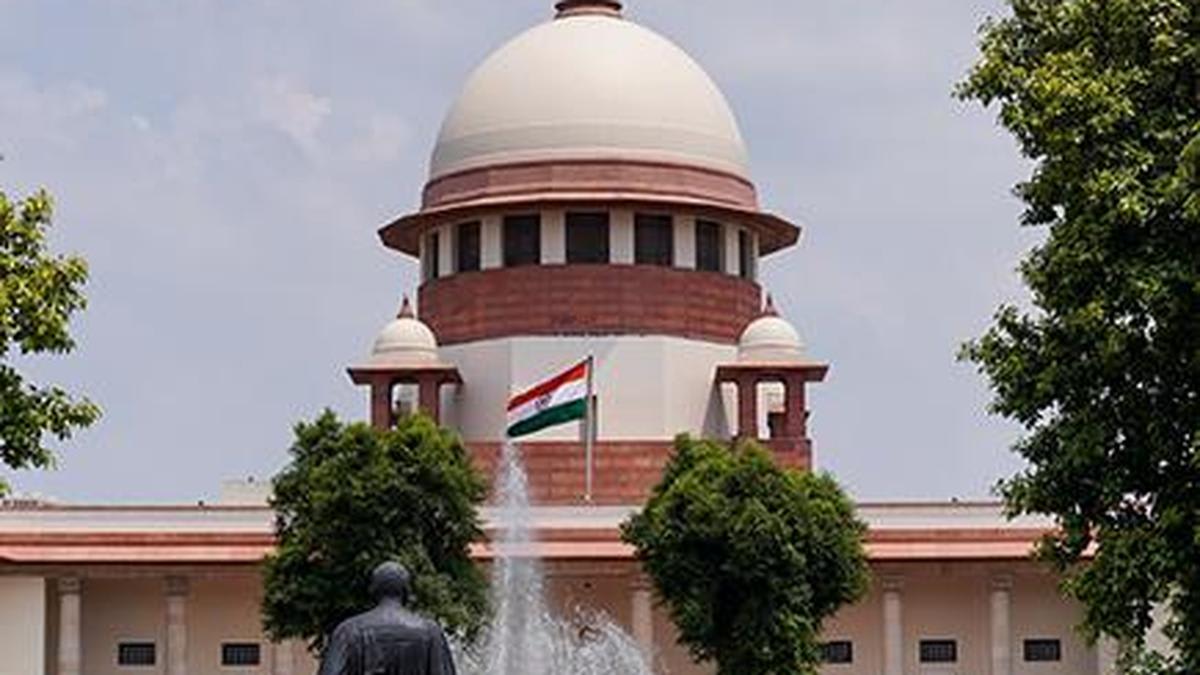
The Supreme Court has ruled that students currently studying three languages can continue their choice without being forced to switch to two. This decision maintains the transitional relaxation for CBSE students, ensuring internal assessment remains the standard for third languages.
Supreme Court Upholds Language Flexibility in CBSE Schools
In a significant development for the Indian education sector, the Supreme Court of India recently provided crucial clarity regarding the three-language formula. During proceedings on November 25, 2026, the court orally observed that students who have already opted for a third language for the current academic year are under no compulsion to switch back to a two-language model. This ruling provides much-needed stability for students and educators navigating the complexities of the Central Board of Secondary Education (CBSE) curriculum.
Understanding the Transitional Relaxation
The core of this judicial observation revolves around the 'transitional relaxation' previously granted to students in Classes 7, 8, and 9. Historically, the CBSE Board exam requirements have posed challenges for students transitioning into Class 10. By allowing these students to maintain their current linguistic choices, the court has effectively prevented administrative disruption mid-academic cycle, ensuring that the pedagogical path for these students remains uninterrupted.
The Role of Internal Evaluation
A critical component of this legal stance is the distinction between Board-conducted examinations and internal school-based assessments. The court reiterated that the third language is to be evaluated strictly through internal school mechanisms. This policy shift is designed to reduce the academic burden on students at the high-stakes Class 10 level, ensuring that the third language serves as a tool for linguistic enrichment rather than a source of examination-related anxiety.
Contextualizing the CBSE Plea
The court's remarks were delivered in response to a petition filed by the CBSE seeking a modification of a September 28 order. The original order had extended the relaxation—previously exclusive to Class 7—to Class 6 students as well. The Board’s move to seek clarification highlights the ongoing tension between standardized assessment requirements and the practical realities of implementing a multi-language curriculum across different grade levels.
Broader Educational Implications
This decision carries significant implications for the future of the three-language formula in India. By favoring flexibility, the Supreme Court is signaling a preference for a student-centric approach that accommodates diverse learning paths. As schools continue to integrate regional and foreign languages into their offerings, the reliance on internal evaluation for these subjects appears to be a sustainable model that balances academic rigor with student well-being.
Conclusion and Future Outlook
As the academic year progresses, this judicial observation provides a clear directive for both the CBSE and affiliated institutions. By affirming that students may continue with their chosen three-language curriculum, the court has prioritized continuity and student choice. Looking ahead, this precedent will likely influence how educational boards manage language transitions, ensuring that policy adjustments do not negatively impact the academic progression of students as they move toward their final years of secondary education.
Verification Required?