6 missing after Cessna plane crashes off Mississippi coast in US
Source Entity
ABHISHEK MISHRA
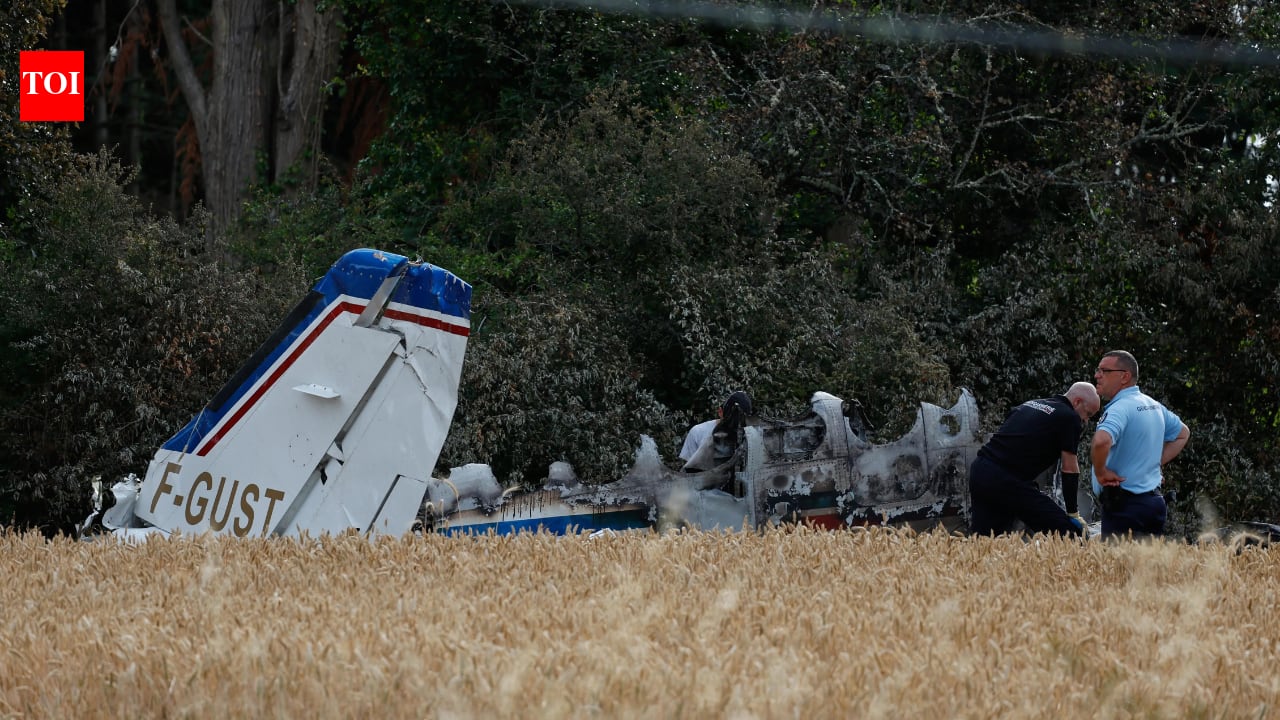
A Cessna Centurion 210 crashed off the Mississippi coast while traveling from New Orleans to Florida, resulting in the deaths of all six family members on board. The U.S. Coast Guard and NTSB are currently managing recovery efforts and the subsequent investigation into the cause of the tragedy.
Tragedy Off the Mississippi Coast
A devastating aviation accident occurred Tuesday when a Cessna Centurion 210 crashed into the waters near Horn Island, Mississippi. The aircraft, which was transporting a family of six back to Fort Myers, Florida, from a fishing trip in Louisiana, vanished from radar, prompting an immediate and intensive search-and-rescue operation by the U.S. Coast Guard. Despite the rapid deployment of rescue assets, the mission transitioned from a search for survivors to a recovery operation as investigators confirmed the deaths of all passengers on board.
Victims Identified
The victims have been identified as a single family unit, marking this as a profound personal tragedy. According to Jackson County Coroner Bruce Lynd Jr., the pilot was 50-year-old Brent Stokes, who was traveling with his 16-year-old son, Hunter Stokes. Also on board were Brent's sister, Arlyn Knox, her husband Michael Knox, and their two children, 12-year-old Charles Holden Knox and 10-year-old Truett Knox. The group was returning home following a recreational fishing excursion in Louisiana when the incident occurred.
The Search and Recovery Effort
The U.S. Coast Guard initiated the response after being alerted by the Federal Aviation Administration (FAA) that the aircraft had gone down approximately two miles northeast of Horn Island. Teams scoured the area, eventually recovering aircraft debris, a life raft, and three life jackets. The harsh realities of the marine environment, combined with the nature of the crash, made the recovery process challenging for local authorities working in the Gulf waters.
The Role of the NTSB
The National Transportation Safety Board (NTSB) has been tasked with leading the investigation into the crash. As the primary federal agency responsible for civil aviation accident investigations, the NTSB will examine mechanical logs, pilot training records, weather conditions at the time of the flight, and the wreckage itself. Their final report will be crucial in determining whether the crash was the result of mechanical failure, pilot error, or adverse environmental factors.
Broader Implications for General Aviation
This incident highlights the inherent risks associated with general aviation, particularly when flying over open water. Small aircraft like the Cessna Centurion 210, while reliable for personal and recreational use, lack the redundant safety systems found in commercial airliners. The tragedy serves as a somber reminder of the importance of rigorous pre-flight planning and the unpredictable nature of flight paths over the Gulf of Mexico, especially when navigating over water where emergency landing options are non-existent.
Conclusion
As the investigation proceeds, the focus will remain on understanding the sequence of events that led to the Cessna’s descent into the Mississippi waters. While the recovery of the victims brings a painful closure to the families involved, the aviation community will look toward the NTSB’s findings to prevent similar occurrences in the future. For now, the loss of six lives, including four children and teenagers, remains a profound shock to the Fort Myers community and the aviation sector at large.
Multiple Citing Sources