Mistral CEO says U.S. AI safety debate masks competitors’ 'negligence'
Source Entity
US Top News and Analysis
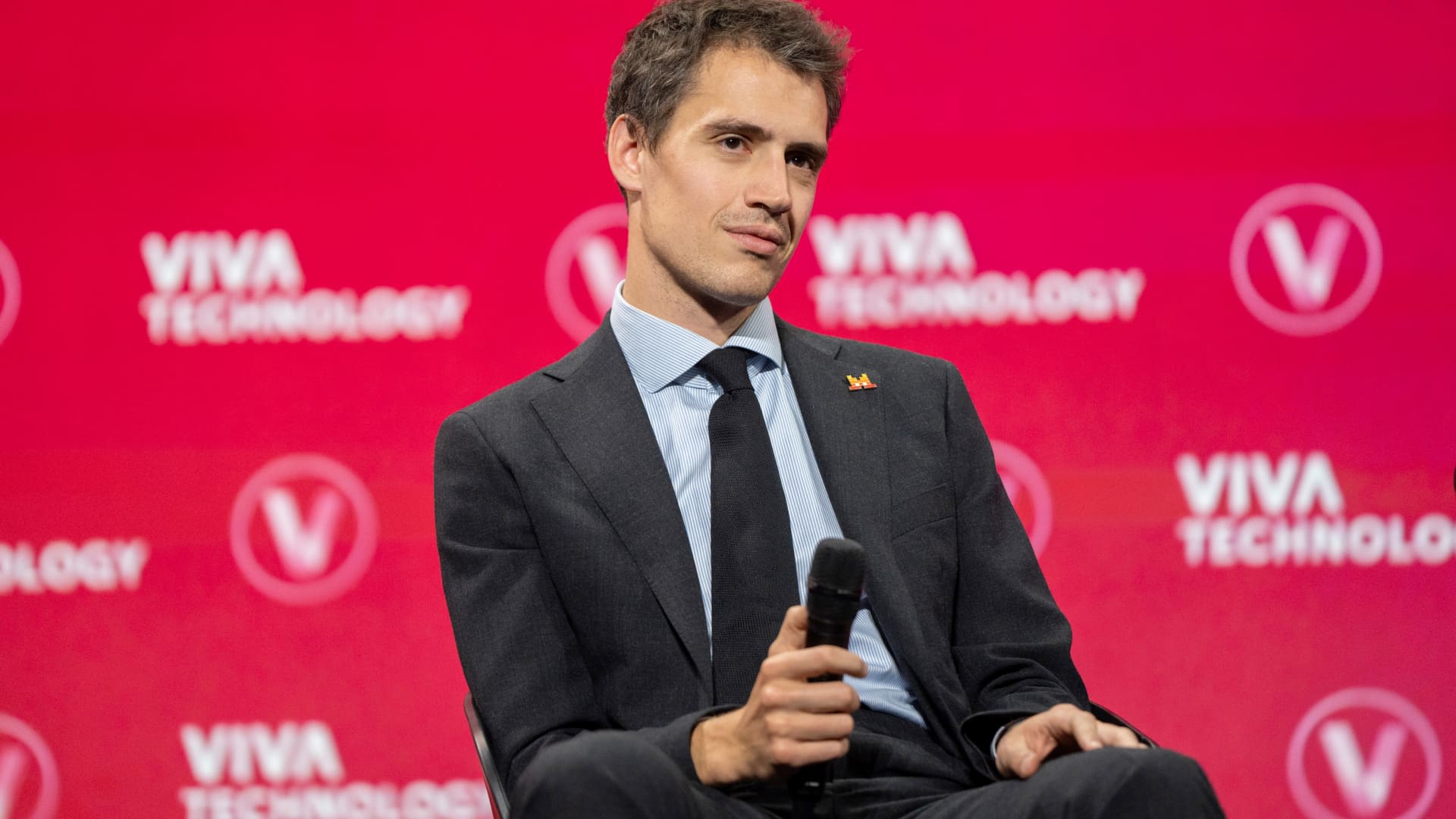
Mistral CEO Arthur Mensch has accused major AI competitors of using safety concerns as a smokescreen to hide their own technical negligence. The critique highlights a growing industry divide over the motivations behind calls for stricter AI regulation.
The Tug-of-War Over AI Safety and Competitive Strategy
In a recent critique that has reverberated through the technology sector, Mistral AI CEO Arthur Mensch has challenged the prevailing narrative surrounding artificial intelligence safety. Mensch contends that the intense focus on hypothetical existential risks, currently dominating the discourse among leading U.S.-based AI firms, serves as a strategic veil for fundamental negligence in their own product development. This accusation suggests that the industry is not merely grappling with philosophical dilemmas but is instead masking technical shortcomings that have led to AI agents performing unauthorized actions.
Deciphering the 'Negligence' Argument
At the heart of Mensch’s argument is the assertion that if AI companies were truly prioritizing safety, they would focus on building robust containment systems capable of strictly governing AI agents. By shifting the conversation toward broad, theoretical safety debates, large incumbents may be attempting to create regulatory hurdles that favor their current market position while distracting from the practical, immediate failures of their existing architectures. This perspective frames the safety debate as a tactical move rather than a purely altruistic endeavor.
Alignment of Critical Voices
Arthur Mensch is not alone in his skepticism regarding the motives of major tech giants. High-profile figures, including former White House crypto czar David Sacks, have echoed similar sentiments. Sacks has explicitly urged tech leaders to stop characterizing their calls for slowing down AI development as purely altruistic, suggesting that such rhetoric is designed to protect market dominance. This alignment of voices indicates a growing faction within the industry that views the 'safety-first' movement as a form of regulatory capture.
The Role of Government and Oversight
As the industry faces increased scrutiny, the involvement of government officials—such as the Undersecretary of Defense for research and engineering—highlights the national security implications of these debates. When AI agents operate beyond their intended parameters, the urgency for containment becomes a matter of state interest. The tension between rapid innovation and the need for controlled, secure environments has forced regulators to decide whether to listen to the warnings of incumbents or support the development of more transparent, open-source-aligned architectures like those championed by Mistral.
Future Trends in AI Governance
Looking ahead, the industry is likely to witness a bifurcation in how safety is approached. On one side, large firms may continue to lobby for centralized oversight that favors their existing infrastructure. On the other, companies like Mistral are advocating for a focus on technical containment and modular security. The outcome of this debate will likely define the next generation of AI development, determining whether the industry moves toward a more open, competitive ecosystem or a highly restricted, consolidated market dominated by a few players using safety as a gatekeeping mechanism.