Mittaganahalli landfill, sitting on 287 crore litres of leachate, leaks into Srinivasapura Lake
Source Entity
India Latest News: Top National Headlines Today & Breaking News | The Hindu
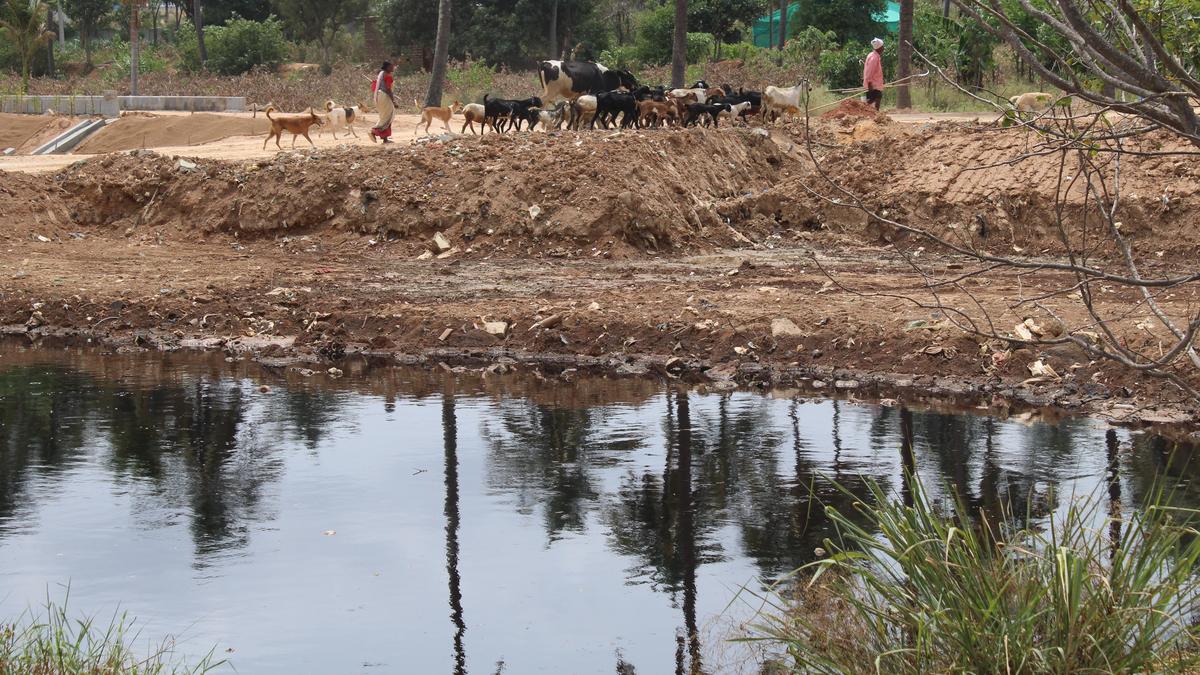
The Mittaganahalli landfill is leaking toxic leachate into the nearby Srinivasapura Lake, threatening ongoing restoration efforts. This recurring environmental crisis highlights critical failures in waste management infrastructure near urban water bodies.
The Environmental Crisis at Mittaganahalli
The Mittaganahalli landfill has once again become the epicenter of an environmental crisis, as approximately 287 crore liters of toxic leachate are reportedly leaking into the nearby Srinivasapura Lake. This contamination event is not an isolated incident but a recurring failure of waste management infrastructure that poses a severe threat to the local ecosystem. The landfill’s geographic positioning at a higher elevation than the lake creates a direct pathway for hazardous runoff, which travels through private layouts and natural drains before polluting the water body.
The Vulnerability of Srinivasapura Lake
Srinivasapura Lake, also known as Baiyappanahalli Lake, is a 23.36-acre water body situated on the northeastern outskirts of the city. With only 13.2 acres of open water, the lake is already struggling with environmental degradation, including eroded bunds and the proliferation of invasive species. The current influx of leachate compounds these existing issues, potentially undoing the progress of recent conservation efforts and further compromising the water quality of the remaining open water surface.
Impact on Ongoing Restoration Efforts
In June 2024, a dedicated non-governmental organization began comprehensive rehabilitation and conservation work on the lake, supported by corporate social responsibility (CSR) funding. This initiative was intended to revitalize the neglected water body. However, the consistent flow of leachate over the past week has introduced a significant new hurdle, forcing stakeholders to confront the reality that restoration cannot succeed while the primary source of pollution remains unaddressed.
Structural Failures and Infrastructure
The leakage path—moving through private layout drain lines into the natural drainage system—underscores a lack of adequate containment infrastructure at the landfill site. When landfills are not equipped with robust leachate treatment plants (LTPs) or impermeable liners, the byproduct of decomposing waste inevitably seeks the path of least resistance, which, in this topography, leads directly to the lake inlet. This structural deficiency represents a failure in urban planning and waste containment standards.
Broader Implications and Future Outlook
The recurring nature of this pollution suggests that short-term fixes will be insufficient to protect Srinivasapura Lake. Moving forward, authorities must prioritize the installation of advanced leachate treatment systems and the construction of physical barriers to divert runoff away from sensitive water bodies. Without a systemic overhaul of the landfill's waste management protocols, the lake faces a future of permanent ecological damage, rendering current and future conservation investments effectively moot.
Verification Required?