Dynasties or Parity? How MLB, the NFL, and the NBA try to find competitive balance
Source Entity
US Top News and Analysis
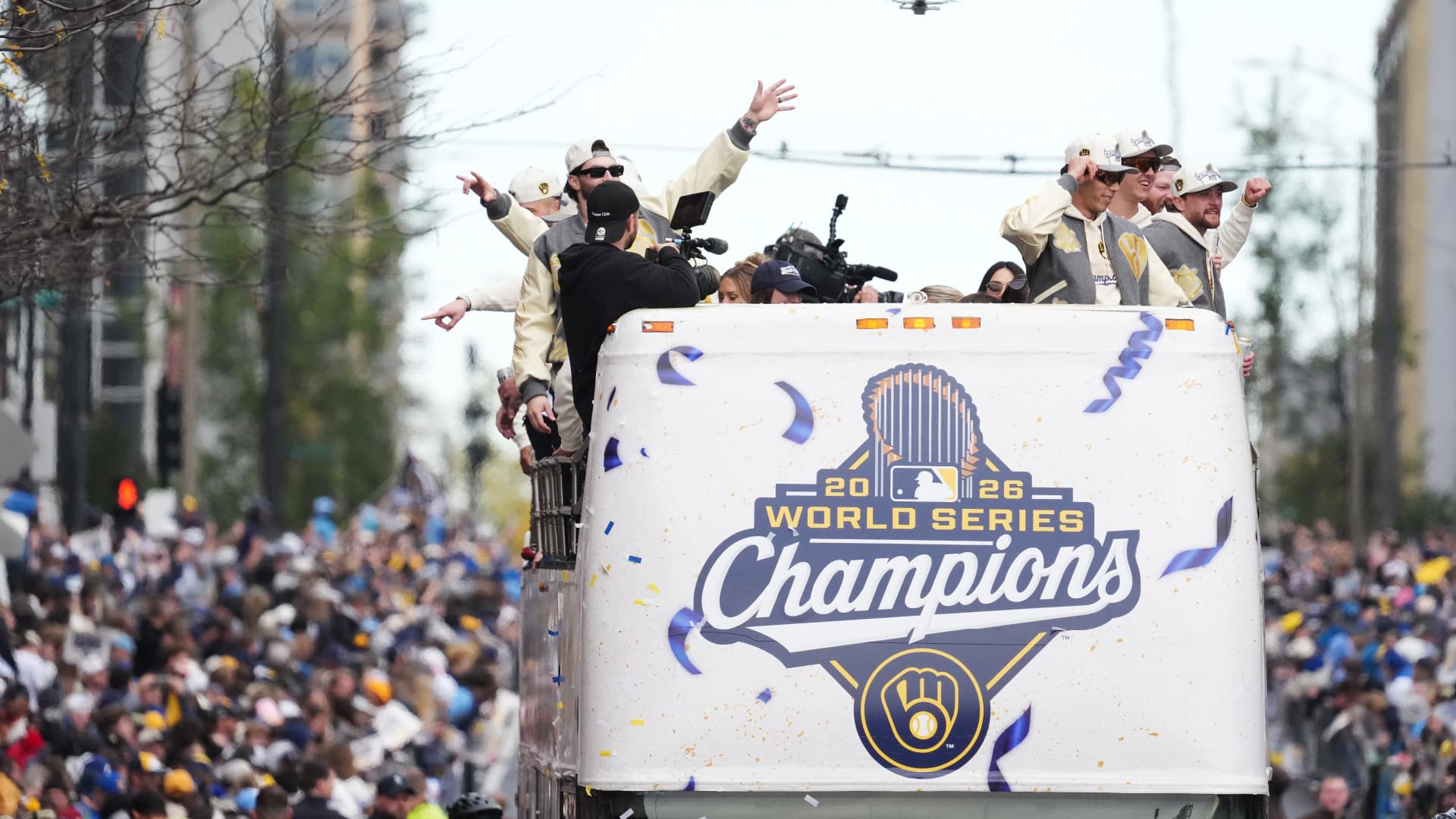
MLB leadership is debating the implementation of a salary cap amidst potential 2027 lockout threats. While owners push for payroll control, executives maintain that sports dynasties are beneficial if achieved through sustainable organizational success.
The Tug-of-War for Baseball's Economic Future
As Major League Baseball (MLB) approaches a pivotal juncture in 2027, the league finds itself entangled in a familiar, yet increasingly volatile, labor dispute. With owners and players preparing for a potential lockout that threatens to disrupt the upcoming season, the core of the disagreement rests on the implementation of a salary cap. This debate is not merely about accounting; it is a fundamental clash over how professional baseball defines competitive balance and the value of its labor force.
Defining the Role of Dynasties
Despite the friction surrounding payroll management, Morgan Sword, MLB's executive vice president of baseball operations, has clarified the league's stance on organizational dominance. Sword suggests that dynasties—periods where a single team enjoys sustained success—are not inherently detrimental to the sport. Instead, the league views them as potentially 'wonderful' marketing vehicles, provided that the financial structures supporting these teams remain equitable and transparent for the rest of the league.
The Salary Cap Conflict
The tension between owners and players is fueled by divergent economic philosophies. Owners argue that a salary cap is a necessary tool to maintain fiscal discipline and ensure that smaller-market clubs remain viable in a landscape dominated by high-revenue franchises. Conversely, players view such caps as arbitrary limitations on their earning potential, arguing that they should be compensated in accordance with their market value and the league's growing revenue streams. The 2026 World Series success of the Milwaukee Brewers serves as a recent case study, highlighting the emotional and financial stakes involved in team-building.
Broader Implications for Professional Sports
MLB’s situation mirrors ongoing struggles across the NFL and NBA, where the tension between 'dynasties' and 'parity' is a constant feature of the business model. Unlike leagues that utilize strict hard caps to force parity, MLB has historically relied on luxury taxes and other mechanisms. The pivot toward a hard cap, if successful, would fundamentally alter the competitive landscape of baseball, potentially ending the era of high-spending teams outbidding rivals for top-tier talent.
Historical Context and Future Trends
Historically, baseball has resisted the rigid salary structures seen in other major North American sports. However, the looming threat of missed games in 2027 suggests that the status quo is no longer sustainable. Looking ahead, the league must strike a delicate balance: satisfying the owners' desire for cost certainty while ensuring that the players feel their contributions are adequately reflected in the league's economic growth. Failure to find this middle ground could lead to a prolonged work stoppage, damaging the momentum built by recent championship seasons.
Conclusion
The debate over salary caps in MLB is far more than a simple negotiation over dollars and cents; it is a profound discussion about the future identity of the sport. Whether baseball decides to embrace a model of forced parity or maintain a system that allows for organic, well-run dynasties will determine the league's trajectory for the next decade. As stakeholders prepare for the 2027 season, the resolution of these issues will serve as a bellwether for the health of professional sports economics.