MoD withheld information about nuclear test veterans' records, ex-minister claims
Source Entity
BBC News
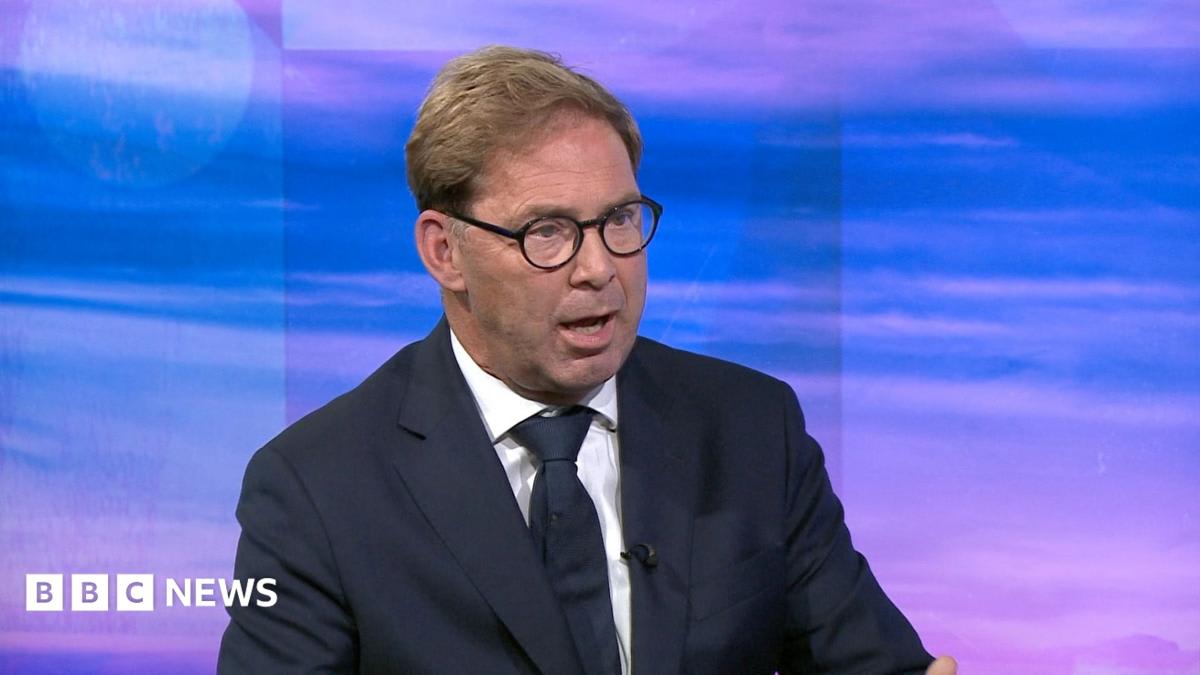
Former veterans minister Tobias Ellwood claims the UK Ministry of Defence deliberately withheld medical records from Cold War nuclear test veterans. Veterans argue this data is essential to proving that radiation exposure during their service caused long-term health issues.
The Controversy Surrounding UK Nuclear Test Records
Recent revelations from former veterans minister Tobias Ellwood have cast a shadow over the Ministry of Defence's (MoD) historical transparency regarding Cold War-era nuclear tests. Ellwood, who previously served in a ministerial capacity, has publicly admitted that he believes he was misled by MoD briefings, leading him to inadvertently provide false information to Parliament. This admission marks a significant escalation in the long-standing dispute between the British government and thousands of servicemen and civilians who participated in nuclear testing programs.
The Human Cost of Cold War Testing
At the heart of this issue are approximately 25,000 military personnel, scientists, and civilians who were present during the UK's nuclear testing phase. For decades, these individuals have argued that their exposure to radioactive environments led to chronic, lifelong health complications. Their campaign centers on the demand for access to comprehensive medical histories, specifically blood and urine test results, which they contend serve as critical, objective evidence to substantiate their claims of radiation-induced illness.
The Breakdown of Parliamentary Trust
Tobias Ellwood’s assertion that he was providing "a complete lie" based on MoD briefings highlights a systemic failure in the flow of information between executive departments and the legislature. When a government minister is misinformed by their own department, it undermines the democratic process and the accountability required to address historical grievances. This breach of trust not only complicates the veterans' fight for recognition but also raises questions about the internal governance and record-keeping practices within the Ministry of Defence.
The MoD’s Stance and Institutional Defense
In response to these allegations, the Ministry of Defence has maintained that it has acted in good faith. An MoD spokesperson highlighted an "extensive records discovery exercise" conducted by the government, asserting that all findings from this review have been published in full. However, this defense has failed to satisfy the veterans' groups, who argue that the scope of what has been disclosed is insufficient and does not account for the specific medical data they require to prove their cases.
Broader Implications and Future Trends
This situation reflects a broader, global pattern of nuclear veterans struggling to secure state recognition for health issues stemming from Cold War military operations. As the remaining veterans age, the pressure on governments to reconcile these historical narratives with modern ethical standards is intensifying. Future developments in this case will likely involve increased parliamentary scrutiny and potential legal challenges, as the demand for transparency clashes with the institutional tendency to protect sensitive historical data.
Conclusion: The Path Toward Accountability
Ultimately, the conflict between the MoD and the nuclear test veterans is a battle for historical truth and justice. Whether through further independent inquiries or renewed pressure from Parliament, the government faces a mounting challenge to address the health concerns of those who served. The resolution of this matter will be a litmus test for how the UK handles its historical accountability and its duty of care toward those who were exposed to the risks of the early nuclear age.