"No Solution On Battlefield": PM Modi At SCO Summit Amid Iran, Ukraine Wars
Source Entity
NDTV News Search Records Found 1000
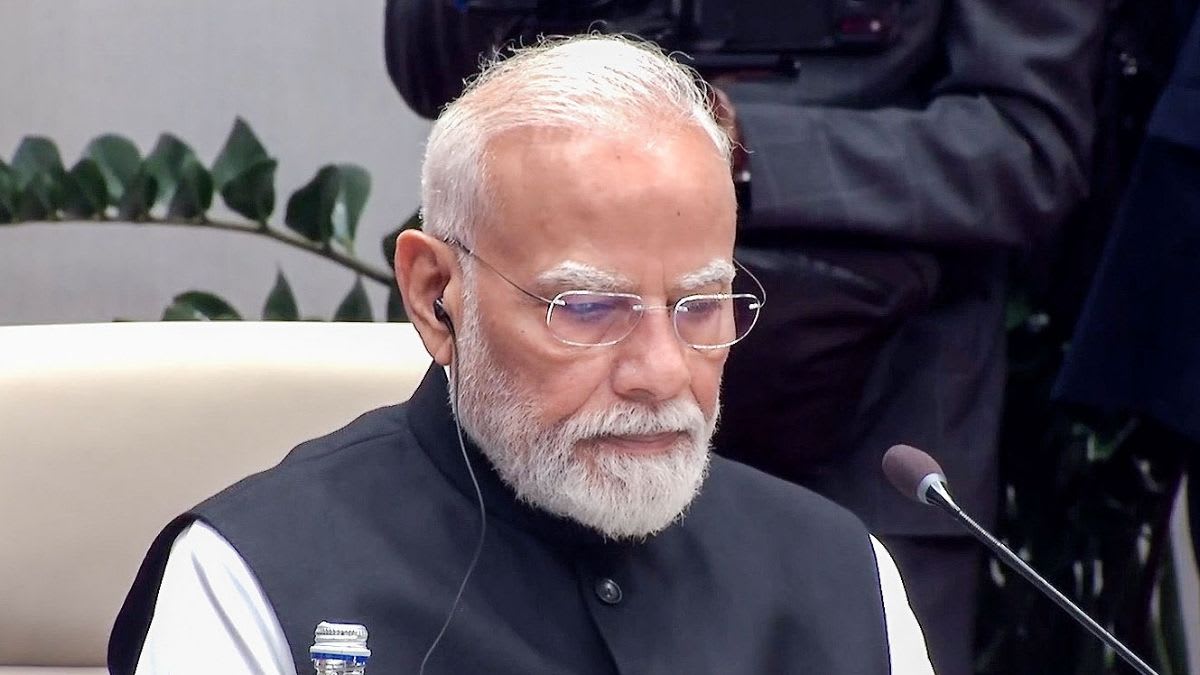
Prime Minister Modi utilized the SCO Summit to advocate for global peace, specifically urging for an end to the Russia-Ukraine conflict and fostering stronger trade ties with Iran. His discussions centered on regional stability, the significance of the Chabahar port, and the necessity of protecting maritime commerce.
India’s Diplomatic Pivot: Navigating Geopolitical Tensions at the SCO Summit
Prime Minister Narendra Modi’s recent engagements at the Shanghai Cooperation Organization (SCO) summit in Bishkek underscore a deliberate and nuanced Indian foreign policy aimed at positioning New Delhi as a vital mediator in global conflicts. By holding high-level bilateral meetings with both Iranian President Masoud Pezeshkian and Russian President Vladimir Putin, India is attempting to balance its strategic autonomy with the urgent need for international stability.
Advancing the Chabahar Corridor and Regional Connectivity
Central to the dialogue with President Pezeshkian was the strategic expansion of the Chabahar port. This project represents more than mere infrastructure; it is the cornerstone of India’s connectivity strategy to Central Asia and beyond, bypassing traditional land-route obstacles. Despite the looming shadow of US sanctions, both leaders reaffirmed their commitment to enhancing bilateral economic cooperation. The emphasis on maritime freedom and the protection of commercial shipping highlights India’s role as a net security provider in the Indian Ocean region, ensuring that trade remains uninterrupted by the volatile geopolitical climate in West Asia.
The Call for Peace in the Russia-Ukraine Conflict
In his meeting with President Vladimir Putin, Prime Minister Modi adopted a firm, consistent stance, urging a transition from an "endless war" to a definitive "end of war." This message, which has been refined since his 2022 declaration that "this is not an era of war," reflects India’s long-standing belief that military solutions are insufficient in modern conflicts. By reiterating that peace talks cannot flourish amidst ongoing hostilities, Modi is signaling to the international community that India is ready to leverage its diplomatic capital to facilitate dialogue, provided there is a genuine willingness from the parties involved.
Balancing Strategic Autonomy and Global Responsibility
India’s diplomatic approach is characterized by its ability to engage with diverse power blocs. Whether discussing the safety of civilian infrastructure with Iran or advocating for a ceasefire in Eastern Europe, India is projecting itself as a bridge-builder. The focus on modernizing trade and logistical connectivity during the SCO summit suggests that New Delhi views economic integration as a primary tool for dampening the fervor of geopolitical rivalry.
Future Trends and Regional Implications
Looking ahead, India’s involvement in the Chabahar project and its persistent calls for peace suggest a future where New Delhi plays an increasingly prominent role in regional security architecture. As the war in Ukraine persists and West Asian tensions fluctuate, India will likely continue to face the challenge of navigating Western pressure while maintaining essential ties with Tehran and Moscow. The successful outcomes of these bilateral meetings suggest that India’s "multi-alignment" strategy remains a viable, albeit complex, path for securing its national interests while promoting global stability.
Conclusion
The SCO summit has served as a pivotal platform for India to assert its influence on the world stage. By prioritizing maritime security, economic connectivity through Iran, and a principled stance on the cessation of hostilities in Ukraine, Prime Minister Modi is carving out a distinct diplomatic identity for India—one that rejects binary alliances in favor of pragmatic, peace-oriented cooperation.
Multiple Citing Sources
Verification Required?