RSS chief Mohan Bhagwat’s defence of firecrackers: ‘Once purified atmosphere’
Source Entity
Ankita Deshkar
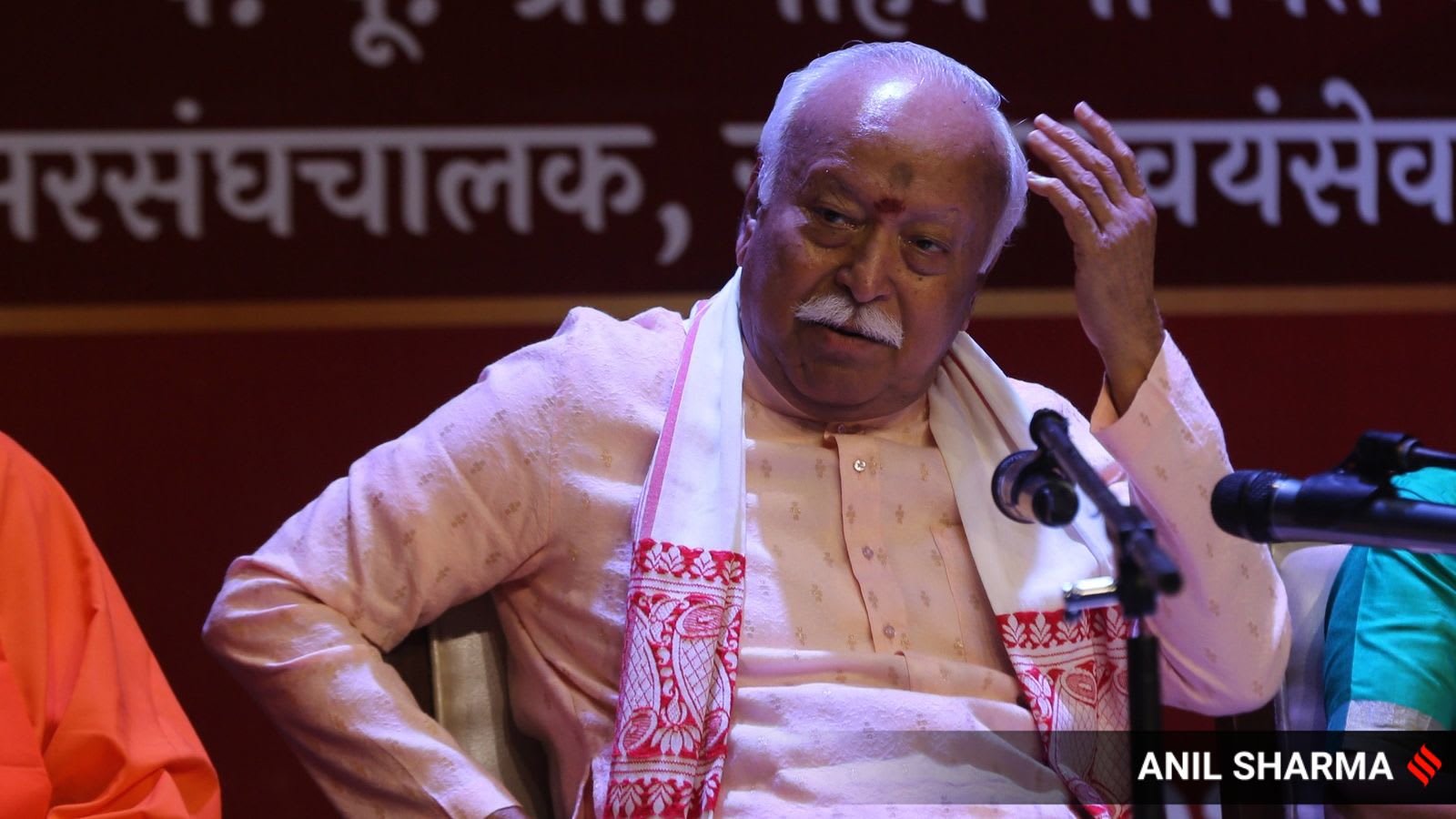
RSS chief Mohan Bhagwat has defended traditional firecrackers, claiming historical variants were chemical-free and environmentally beneficial. His comments arrive amid intense public debate over post-Diwali air pollution in major Indian cities.
The Intersection of Tradition and Environmental Discourse
RSS Chief Mohan Bhagwat recently ignited a significant public conversation during a 'Deepawali Milan' event in Nagpur, where he defended the historical use of firecrackers. Bhagwat argued that traditional firecrackers, unlike modern chemical-laden versions, were crafted from natural materials that served to purify the atmosphere and eliminate harmful insects and pests. This assertion seeks to reframe the cultural narrative surrounding Diwali, moving it from a contemporary environmental concern back to its purported ancestral roots.
The Scientific Rationale Behind Ancient Customs
Beyond just firecrackers, Bhagwat emphasized that many traditional practices associated with Indian festivals, such as the lighting of diyas, possess an underlying 'scientific rationale.' By advocating for a deeper understanding of these customs, the RSS leader aims to bridge the gap between modern skepticism and ancient tradition. He suggests that these practices were not merely ritualistic but were designed to foster a vibrant, connected, and healthy society, operating within a framework of societal rules meant to ensure collective well-being.
Contextualizing Modern Air Quality Concerns
These remarks arrive at a critical juncture for India, particularly as cities like Delhi and Mumbai frequently grapple with severe air quality degradation in the aftermath of Diwali. The juxtaposition of Bhagwat’s historical defense against the immediate reality of toxic smog highlights a deepening polarization in how the public views festival celebrations. While supporters view his comments as a necessary defense of cultural heritage, critics point to the stark difference between the historical 'purification' he describes and the modern reality of chemical-based pollution.
Global Recognition and Cultural Identity
Bhagwat also touched upon the growing international footprint of Diwali, noting that the festival is now celebrated across the globe. This global expansion adds a layer of complexity to the debate, as the export of these traditions necessitates a balance between maintaining authentic rituals and adapting to modern environmental standards. The RSS chief’s call for adherence to societal rules suggests a desire to standardize the practice of these festivals in a way that remains safe and sustainable for a global audience.
Future Trends in Festival Celebrations
Looking forward, the discourse initiated by Bhagwat is likely to accelerate the demand for 'green' alternatives. As the tension between cultural expression and public health intensifies, there will be increased pressure on manufacturers to innovate. The future of Indian festivals may well depend on the ability to reconcile the 'scientific rationale' of ancient practices with the undeniable need for cleaner air, forcing a shift toward practices that preserve the spirit of Diwali without compromising the environment.