Monsoon rains batter Patna and other districts
Source Entity
Latest News: Today's Latest News Headlines from India & World | Hindustan Times | Hindustan Times
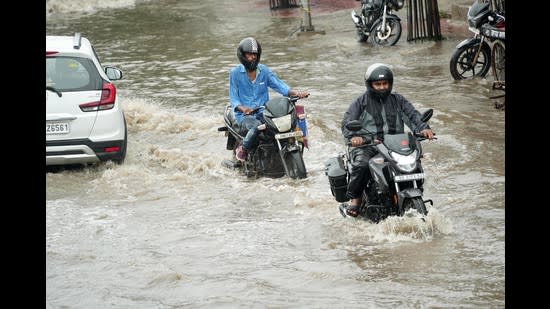
Tragedy struck in Saharsa, where lightning claimed two lives — a minor and a woman — amid the stormy weather. Officials have urged residents to stay away from open fields, trees, and electric poles during such spells.
Monsoon Devastation in Bihar: Rains and Lightning Strike Fatalities
The monsoon season, while vital for the agricultural landscape of India, has once again brought significant peril to the state of Bihar. Recent reports indicate that heavy monsoon rains have battered Patna and several surrounding districts, disrupting daily life and causing widespread weather-related distress. The intensity of these storms has not only brought flooding concerns but has also heightened the immediate threat of atmospheric electrical discharges, leading to tragic loss of life in the region.
Fatal Lightning Strikes in Saharsa
The most harrowing aspect of the recent weather surge occurred in the Saharsa district. In a sudden and violent incident, lightning strikes claimed the lives of two individuals: a minor and a woman. Such incidents underscore the extreme vulnerability of local populations when caught in the path of sudden, severe thunderstorms. The loss of life, particularly involving a child, highlights the unpredictable and devastating nature of monsoon-driven lightning strikes in rural and semi-urban areas.
The Perils of Open Landscapes
The geography of the districts affected, including Saharsa and Patna, often involves vast open fields and agricultural lands. During the monsoon, these areas become high-risk zones for lightning. As the storms roll in, the lack of immediate, sturdy shelter makes residents particularly susceptible. The current event serves as a grim reminder that the very environments people rely on for their livelihoods—fields and open spaces—become death traps during peak storm activity.
Official Warnings and Public Safety
In response to the mounting fatalities, local officials have moved swiftly to issue emergency advisories. The guidance provided is clear: residents must strictly avoid open fields, standing under trees, and approaching electric poles during heavy rain and thunderstorm spells. These measures are designed to mitigate the risk of ground current and direct strikes. However, the efficacy of these warnings often depends on rapid communication and the availability of safe, lightning-proof structures for the most vulnerable populations.
Regional Context: The Monsoon Cycle in Bihar
Historically, Bihar has faced a dual reality during the monsoon months. While the rains are essential for the state's agrarian economy, the seasonal volatility often leads to natural disasters. The pattern of heavy rainfall followed by intense lightning is a recurring theme in the region. This event in Patna and Saharsa is part of a larger, seasonal struggle where the necessity of water for crops is constantly balanced against the life-threatening risks posed by extreme weather phenomena.
Future Implications and Climate Volatility
Looking forward, the frequency and intensity of such weather-related tragedies may pose a growing challenge. As weather patterns become increasingly erratic, the window between the onset of a storm and the occurrence of lightning strikes may shrink, leaving less time for evacuation or seeking shelter. The tragedy in Saharsa emphasizes the need for better early warning systems and more robust community-level disaster preparedness to protect citizens from the increasing volatility of the monsoon season.
Summary
The recent monsoon onslaught in Bihar has transitioned from a seasonal weather event to a human tragedy. The deaths in Saharsa serve as a stark warning about the lethal potential of lightning. As officials continue to urge caution, the focus must remain on public education and the implementation of safety protocols to prevent further loss of life during these turbulent months.
Verification Required?