'More strict actions to come against paper leaks': PM Modi announces new Bill push
Source Entity
TOI NEWS DESK
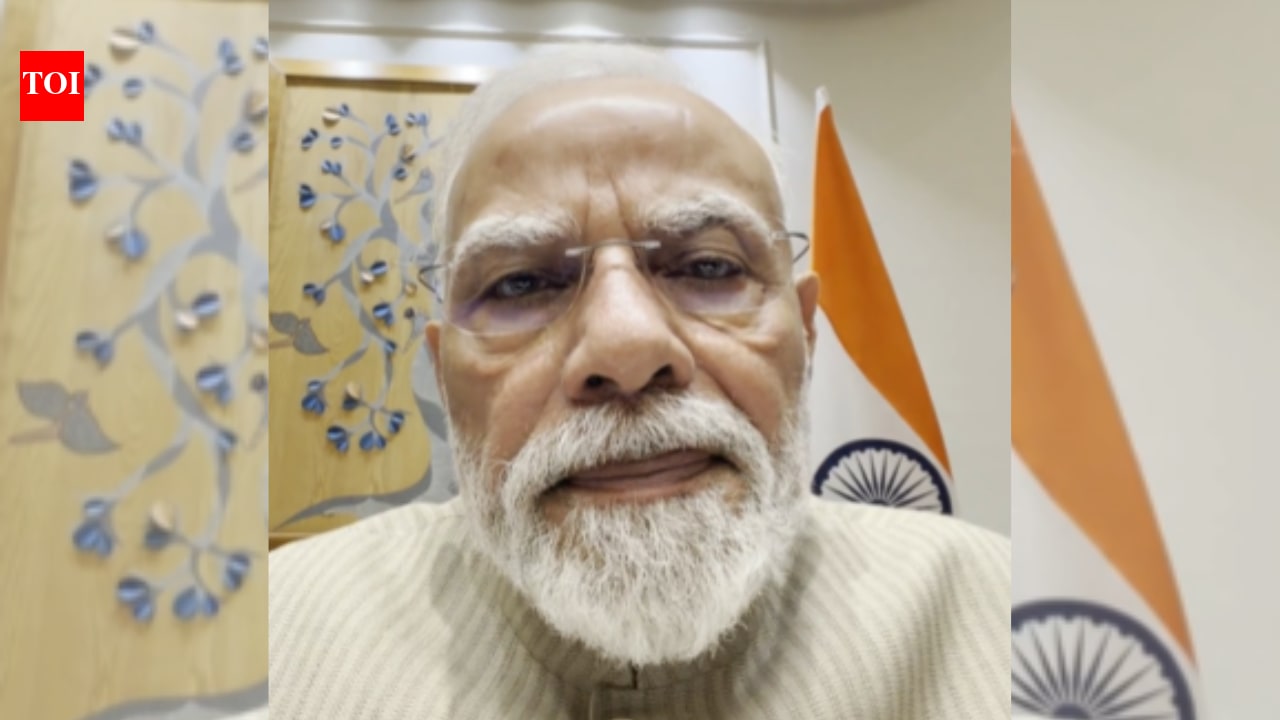
The first day of the Monsoon Session of Parliament was completely disrupted by intense Opposition protests over the NEET paper leak and Ayodhya temple donation theft. Simultaneously, massive street protests in Delhi led to police intervention, resulting in a legislative standstill.
Parliamentary Standoff: Monsoon Session Begins in Chaos
The commencement of the Monsoon Session of Parliament on July 20, 2026, marked a volatile start as the legislative agenda was effectively sidelined by widespread Opposition protests. Both the Lok Sabha and Rajya Sabha witnessed repeated adjournments, ultimately leading to a complete washout of the day's proceedings. The core of the agitation centered on high-stakes national concerns, specifically the alleged NEET paper leak and reports of donation theft at the Ram Temple in Ayodhya, which served as focal points for the Opposition's confrontational strategy.
The NEET Crisis and Street Protests
Beyond the walls of Parliament, the heart of Lutyens’s Delhi experienced significant civil unrest. An estimated 50,000 protesters, predominantly led by the Cockroach Janta Party (CJP), converged on the capital to demand the resignation of Union Education Minister Dharmendra Pradhan. The scale of the demonstration, which saw barricades breached across multiple key thoroughfares including Ashoka Road and Janpath, forced law enforcement to utilize lathicharges, tear gas, and water cannons. This external pressure directly fueled the intensity of the protests inside the House, as MPs from the Congress, SP, and Trinamool Congress stormed the Well of the House in solidarity with the demonstrators.
Legislative Stagnation and Strategic Disunity
While the primary business of the House remained largely stagnant, a critical legislative move was attempted amidst the turmoil. Union Law Minister Arjun Ram Meghwal managed to introduce a Bill intended to replace an existing Ordinance, which aims to increase the sanctioned strength of the Supreme Court of India from 34 to 38 judges, including the Chief Justice. This introduction highlights the government's intent to push through key judicial reforms despite the surrounding political noise, although the overall session success remains highly questionable given the current atmosphere.
Complex Opposition Dynamics
It is important to note the nuanced dynamics within the Opposition bloc. While the NEET issue provided a rallying point for many, the political landscape remains fragmented. The DMK, for instance, prioritized the Mekedatu project issue, diverging from the broader Congress-led coordination efforts. Furthermore, internal parliamentary dynamics, such as the visible shift in seating arrangements for rebel Trinamool Congress (TMC) MPs, underscore the shifting loyalties and complex internal politics that continue to influence how legislative business is conducted or obstructed.
Broader Implications and Future Trends
This session sets a troubling precedent for the remainder of the monsoon period. The intersection of massive public street protests with parliamentary gridlock suggests that the government will face an uphill battle in passing its legislative agenda. As the NEET controversy continues to mobilize thousands of young voters, the pressure on the Education Ministry is unlikely to dissipate. If the Opposition maintains this level of coordination, the coming weeks may see further erosion of parliamentary productivity, with the government forced to choose between aggressive confrontation or strategic concessions to ensure the passage of essential bills.
Multiple Citing Sources