Monsoon trip is no longer off-season: 6 destinations to visit this season for misty hills, waterfalls and lush views
Source Entity
Latest News: Today's Latest News Headlines from India & World | Hindustan Times | Hindustan Times
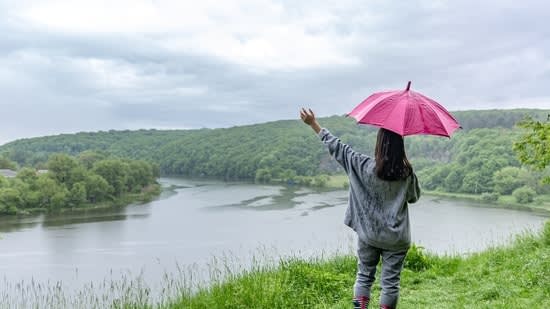
From Lonavala to Munnar: 6 destinations to visit during the monsoon and see beautiful, picturesque landscapes
The Evolution of Monsoon Tourism: From Off-Season to Prime Time
Traditionally, the monsoon season in India was viewed as a period of hibernation for the travel industry. Heavy rains, humidity, and logistical challenges typically deterred tourists, making it the quintessential 'off-season' where hotels slashed prices to attract a handful of brave travelers. However, a significant paradigm shift is occurring. Modern travelers are increasingly seeking 'slow travel' and immersive nature experiences, leading to a surge in demand for monsoon getaways. The allure of misty hills, rejuvenated waterfalls, and a vibrant green palette has transformed the rainy season into a curated travel experience.
The Allure of the Western Ghats and Southern Highlands
Central to this trend are destinations like Lonavala and Munnar, which serve as prime examples of the monsoon's transformative power. Lonavala, nestled in the Sahyadri range, becomes a sanctuary of cascading waterfalls and cloud-covered peaks during the rains, attracting weekend crowds from Mumbai and Pune. Similarly, Munnar in Kerala transforms into an emerald paradise, where the tea plantations are washed clean and the atmosphere is perpetually shrouded in mist. These regions benefit from the unique geography of the Western Ghats, which act as a barrier to the monsoon winds, ensuring an abundance of rainfall that creates the picturesque landscapes mentioned in the reports.
Economic Implications for Local Tourism
The shift in traveler behavior has profound implications for the local economy. By breaking the 'off-season' cycle, hospitality providers, local guides, and transport operators can maintain a more consistent revenue stream throughout the year. This stabilization allows for better infrastructure maintenance and more sustainable employment for local communities who previously suffered from seasonal unemployment. The rise of 'monsoon packages' by luxury resorts and boutique homestays indicates that the industry is now actively marketing the rain as a luxury amenity rather than a deterrent.
Psychological and Experiential Shifts in Travel
From a psychological perspective, the preference for monsoon travel reflects a broader move toward 'wellness tourism.' The sound of rain, the cooler temperatures, and the vivid greenery are often associated with mental rejuvenation and a break from the sterile environments of urban corporate life. Travelers are no longer looking for perfectly sunny beaches; instead, they are chasing the 'mood' of the season. This experiential shift is driven largely by social media, where high-contrast imagery of rain-soaked mountains and foggy forests has romanticized the monsoon, making it a 'bucket-list' experience for younger demographics.
Navigating Risks and Sustainable Tourism
Despite the beauty, monsoon tourism brings critical challenges that must be managed. The increase in footfall in ecologically sensitive areas like the Western Ghats during peak rainfall increases the risk of soil erosion and waste accumulation. Furthermore, the threat of landslides and flash floods remains a serious concern. For this trend to be sustainable, there must be a concerted effort toward regulated tourism and strict safety protocols. Travelers are encouraged to practice responsible tourism to ensure that the very beauty they seek is not destroyed by the surge in popularity.
Conclusion
The transition of the monsoon from an avoided season to a sought-after travel window marks a new chapter in Indian domestic tourism. By highlighting destinations like Lonavala and Munnar, the current trend underscores a deeper appreciation for the natural cycle of the subcontinent. As long as safety and sustainability remain priorities, the 'misty hills and lush views' of the monsoon will continue to redefine the Indian travel calendar.
Verification Required?