Moody's says 'unprecedented' AI spending threatens credit quality of Amazon, Meta, Alphabet and others
Source Entity
US Top News and Analysis
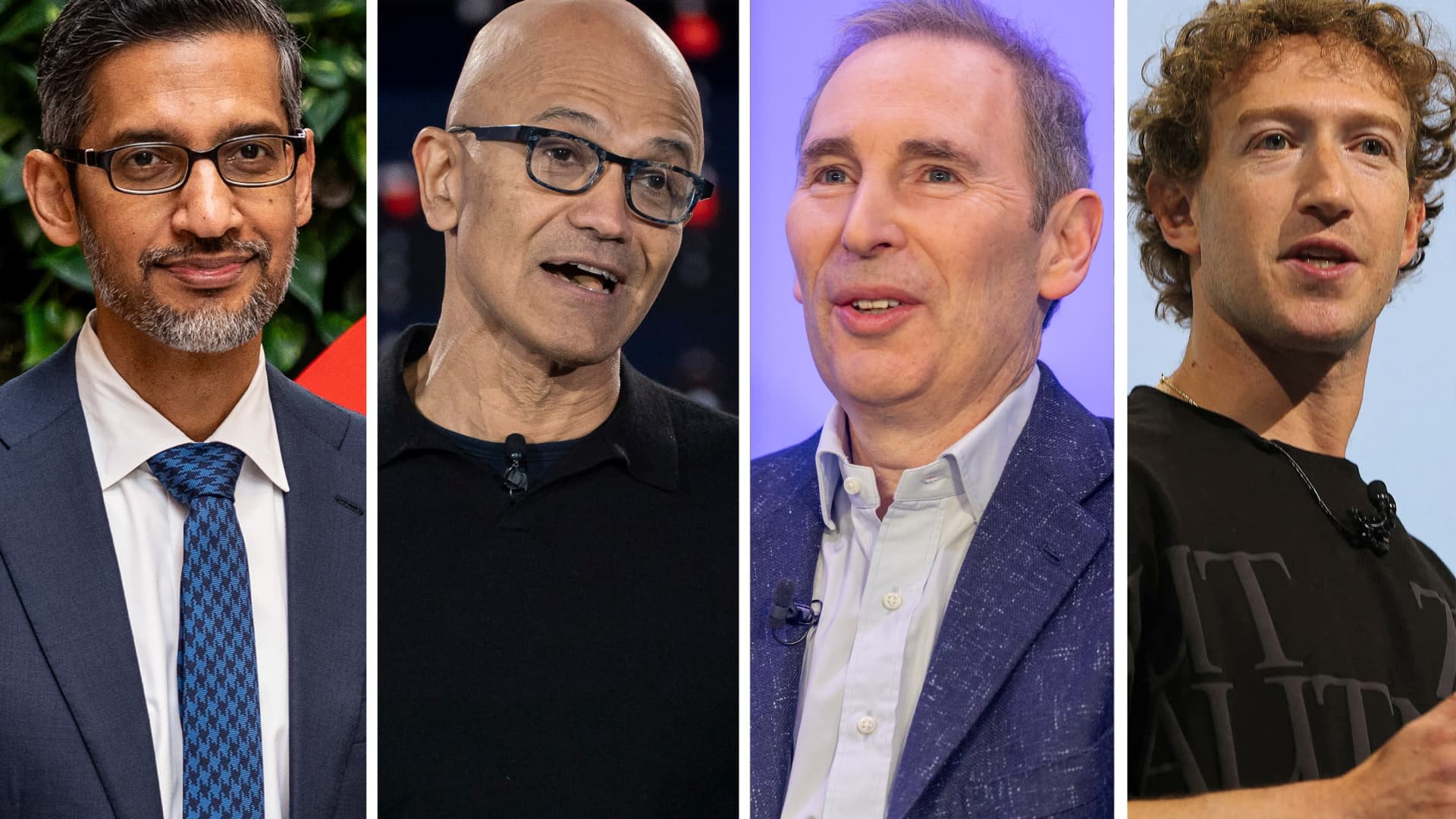
Moody's warns that massive AI infrastructure spending is pressuring the balance sheets of tech giants like Alphabet, Amazon, and Meta. This capital-intensive shift is causing bond market anxiety and widening credit spreads as investors demand higher yields for the increased financial risk.
The Financial Strain of the AI Infrastructure Arms Race
Recent reports from Moody's Ratings have sounded a significant alarm regarding the fiscal trajectory of the world’s largest technology companies. As Alphabet, Amazon, Meta, and Microsoft pivot toward a trillion-dollar annual investment cycle in artificial intelligence infrastructure, the traditional 'asset-light' business model that defined the tech sector for decades is effectively dissolving. This shift is not merely a budgetary adjustment but a fundamental transformation in how these corporations manage capital, leading to increased reliance on debt, equity dilution, and complex off-balance-sheet financing.
Erosion of Free Cash Flow and Credit Quality
Historically, these hyperscalers thrived on software and scalable cloud services that required relatively modest capital expenditure. However, the current race to dominate AI has necessitated massive, physical investments in data centers and specialized hardware. Moody's warns that this transition is directly eroding free cash flow. Even for companies that were previously considered 'cash-rich,' the sheer scale of the required investment is forcing a move toward more aggressive capital-raising strategies, which in turn threatens their long-term credit quality.
Bond Market Volatility and Investor Anxiety
The financial markets are reacting to these pressures in real time. We are witnessing a notable widening of credit spreads for major players like Google, Amazon, and Meta. Fixed-income investors, typically risk-averse, are now demanding higher yields to compensate for the perceived risk associated with these ballooning capital expenditure (capex) budgets. This market sentiment shift suggests that the 'blank check' era for AI investment may be facing a reality check as investors grow increasingly concerned about the timeline for returns on these multi-billion dollar deployments.
The Hidden Cost of Power and Infrastructure
A critical, often overlooked variable in this equation is the rising cost of energy. The construction of massive data centers across the United States at 'breakneck speed' has created a significant demand for power, which is becoming a primary expense for hyperscalers. As energy costs continue to rise, the inflationary environment surrounding these infrastructure projects adds another layer of financial risk. Industry leaders, including GE Vernova CEO Scott Strazik, have highlighted the pressures inherent in this inflationary landscape, which complicates the cost-benefit analysis for AI expansion.
Future Trends and Strategic Implications
Looking ahead, the tension between aggressive AI deployment and fiscal discipline will likely define the next few years of the tech sector. If Alphabet’s recent increase in its capex forecast serves as a bellwether, we should expect continued volatility in the bond markets as other hyperscalers follow suit. Corporations will need to prove that these massive capital outlays will eventually translate into sustainable revenue growth, rather than just a perpetual cycle of debt-funded infrastructure building. Failure to demonstrate these returns could lead to a sustained re-rating of these companies by credit agencies and a more cautious approach from institutional lenders.