7% mortgage rates are already here, some buyers and mortgage experts say
Source Entity
Aarthi Swaminathan
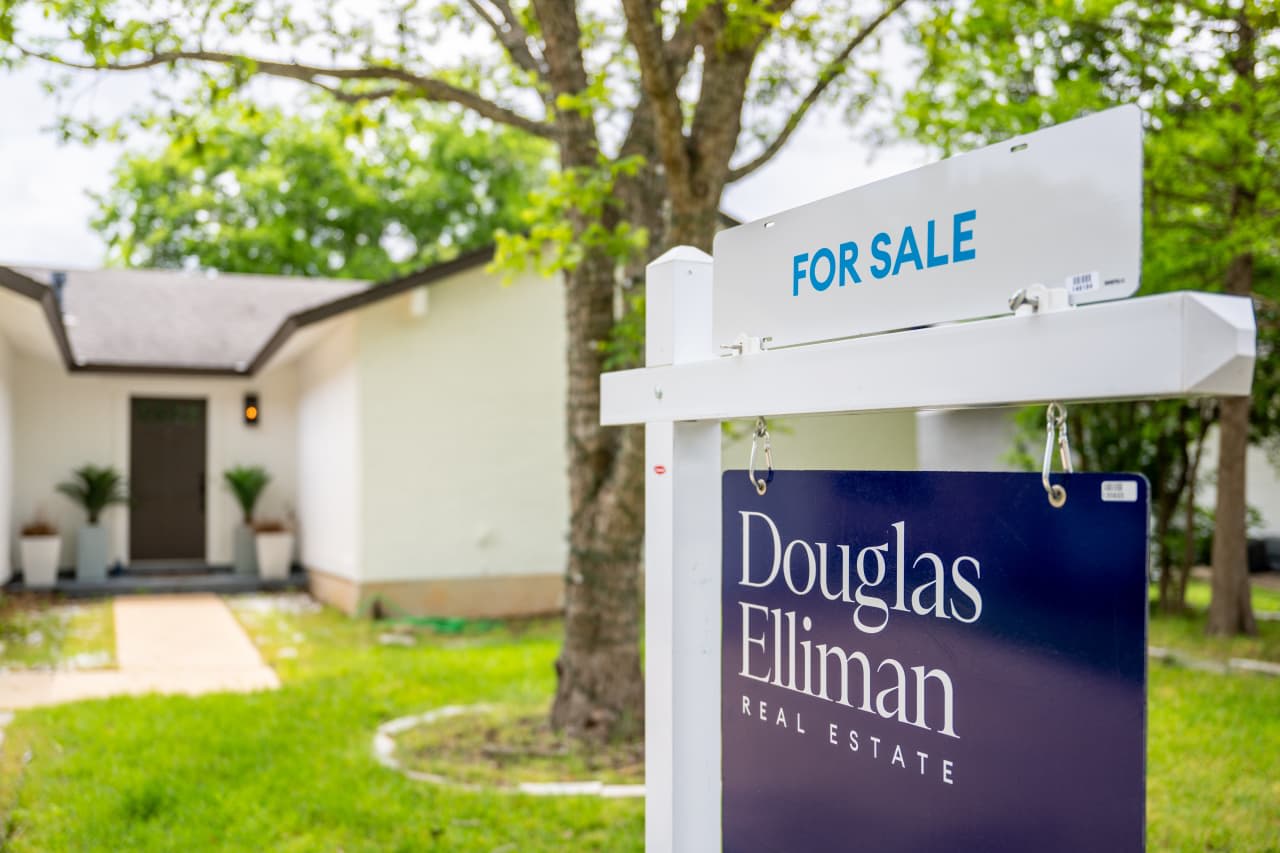
Mortgage rates have climbed to their highest levels in over a year, reaching 6.71% for a 30-year fixed loan. This upward trend is driven by a global bond selloff and signals from Fed Chairman Kevin Warsh regarding potential interest rate hikes to combat inflation.
The Surge in Mortgage Costs: An Economic Overview
As of September 3, 2026, the housing market faces significant headwinds as mortgage rates have ascended to their highest levels in over a year. According to Freddie Mac data, the average 30-year fixed-rate mortgage reached 6.71%, marking a notable increase from the 6.66% recorded just one week prior. This trend is further corroborated by Mortgage News Daily, which reported even higher average rates, reaching 6.91% as of Wednesday. These figures represent a stark departure from the relative stability observed earlier in the year, placing renewed pressure on prospective homebuyers and those considering refinancing.
The Role of Treasury Yields and Global Markets
The primary engine behind this rate hike is the volatility within the bond market. Mortgage rates are intrinsically linked to the 10-year Treasury yield, which has experienced a sharp ascent in recent weeks. This movement is largely fueled by a global bond selloff, as investors react to mounting concerns regarding persistent inflation. When Treasury yields rise, lenders typically increase mortgage rates to maintain competitive spreads, directly impacting the cost of borrowing for residential properties.
Monetary Policy and Federal Reserve Signals
Central bank activity remains a critical focal point for market analysts. Recent commentary from Fed Chairman Kevin Warsh has signaled a hawkish stance, emphasizing the Federal Reserve's unwavering commitment to curbing inflation. In a speech delivered last Friday, Warsh hinted that the central bank may soon need to raise benchmark interest rates. This signaling has effectively shifted market expectations, leading investors to price in a more aggressive monetary policy, which in turn keeps upward pressure on long-term interest rates.
Comparing the Current Landscape to 2025
The current financial environment is notably more expensive than the same period in 2025. Data indicates that at this time last year, the average 30-year fixed-rate mortgage was 6.50%, making current rates roughly 21 basis points higher. The disparity is even more pronounced in the 15-year fixed-rate market, which has climbed to 6.04%—a 44 basis point increase compared to the previous year. This year-over-year climb illustrates a sustained trend of tightening credit conditions that have persisted throughout the latter half of 2026.
Broader Implications and Future Outlook
The immediate outlook for homebuyers remains challenging, with little economic data on the horizon that suggests a near-term reversal of these trends. As mortgage rates continue to hover near or above the 7% threshold in some metrics, the barrier to entry for the housing market grows increasingly steep. Prospective buyers are now faced with higher monthly debt service requirements, which may lead to a cooling in demand as affordability constraints take hold. Moving forward, market participants will be closely monitoring future Federal Reserve communications and inflation reports to determine when—or if—these rates might begin to moderate.
Verification Required?