Moscow Exchange to launch Bitcoin, Ether and USDT trading in December
Source Entity
Cointelegraph by Ezra Reguerra
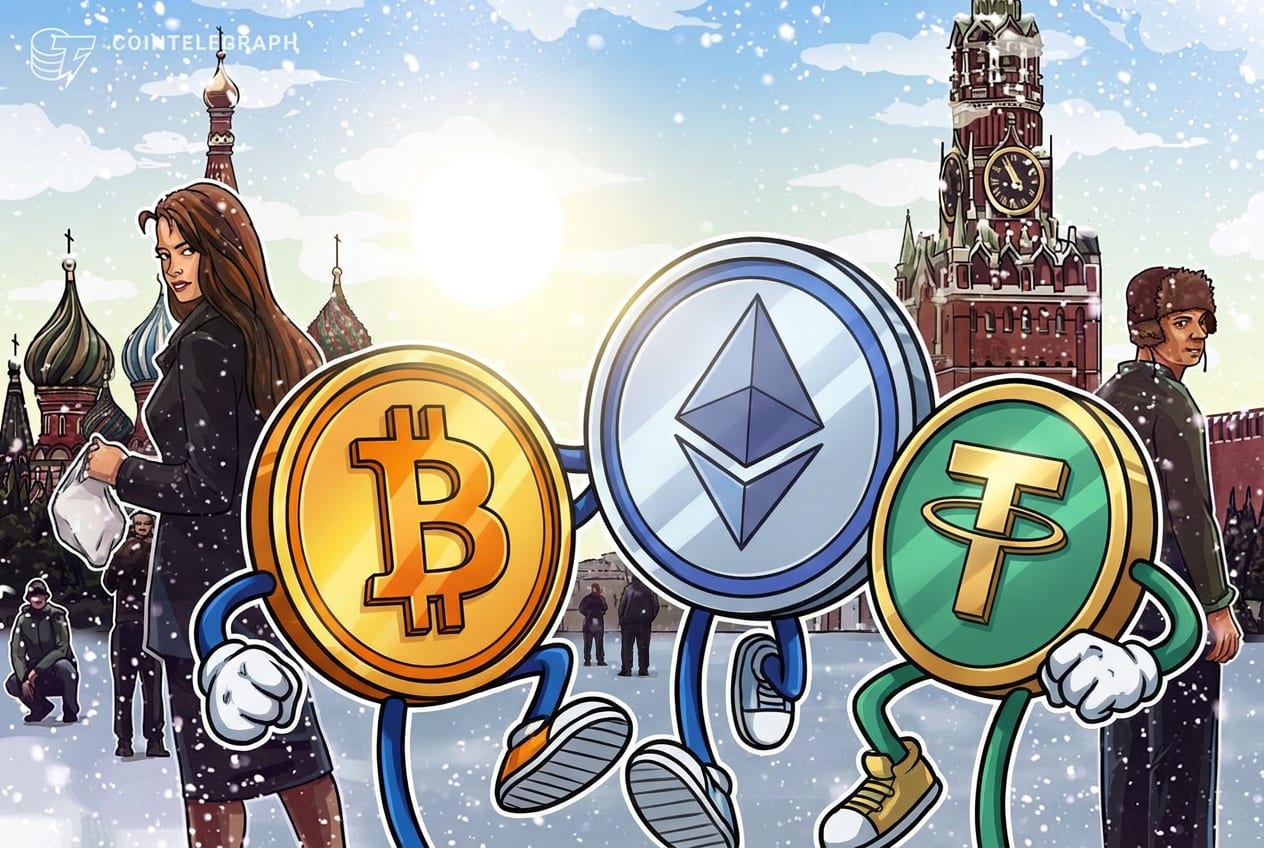
The Moscow Exchange is set to launch Russia's first organized digital currency market on December 1, supporting Bitcoin, Ether, and USDT. The platform will utilize existing stock-market infrastructure and implement strict purchase limits for non-qualified investors.
Russia’s Strategic Pivot into Digital Asset Markets
The Moscow Exchange (MOEX) has announced a significant milestone in the evolution of Russian financial markets: the launch of an organized digital currency market scheduled for December 1. By integrating Bitcoin, Ether, and Tether’s USDT into its established infrastructure, Russia is transitioning from a decentralized, grey-market approach to a regulated, centralized exchange environment. This move represents a formal acknowledgment of the growing demand for digital assets within the Russian economy.
Leveraging Existing Financial Infrastructure
One of the most critical aspects of this launch is the utilization of existing stock-market frameworks. By clearing trades through the National Clearing Center (NCC), the exchange aims to provide a layer of institutional security that traditional decentralized exchanges often lack. Operating from 6:50 am to 11:50 pm Moscow time, the platform is designed to mirror the accessibility of traditional equity trading, offering same-day and next-day settlement alongside swap transactions to encourage liquidity and market participation.
Regulatory Framework and Investor Protection
The launch is directly facilitated by the new Russian crypto law that took effect on September 1. This legislative foundation is designed to balance financial innovation with risk mitigation. To protect retail participants, the exchange has mandated that non-qualified investors pass a competency test before engaging in trading. Furthermore, a strict annual purchase limit of 300,000 rubles (approximately $3,700) per broker has been established, curbing potential systemic risks associated with speculative retail volatility.
Economic Implications and Market Integration
Historically, Russia has maintained a cautious stance toward cryptocurrencies, often oscillating between outright bans and experimental integration. This shift toward a regulated, exchange-based model suggests a strategic effort to bring digital asset flows under the purview of state-sanctioned financial institutions. By providing a transparent venue for Bitcoin and USDT trading, the exchange may be positioning itself to facilitate cross-border settlements in an era of complex international financial sanctions.
Future Trends and Market Outlook
The implementation of this pilot program marks the beginning of a new era for Russian digital finance. If successful, the model could lead to the expansion of supported assets and the potential integration of digital asset-backed securities. Future trends will likely focus on how the National Clearing Center manages the unique volatility of the crypto market compared to traditional assets. As the exchange begins onboarding participants, the success of this initiative will hinge on the balance between regulatory oversight and the liquidity provided by institutional and retail market makers.