9 killed in Moshi mishap: Garbage depot head among 2 charged with negligence
Source Entity
Manoj Dattatrye More
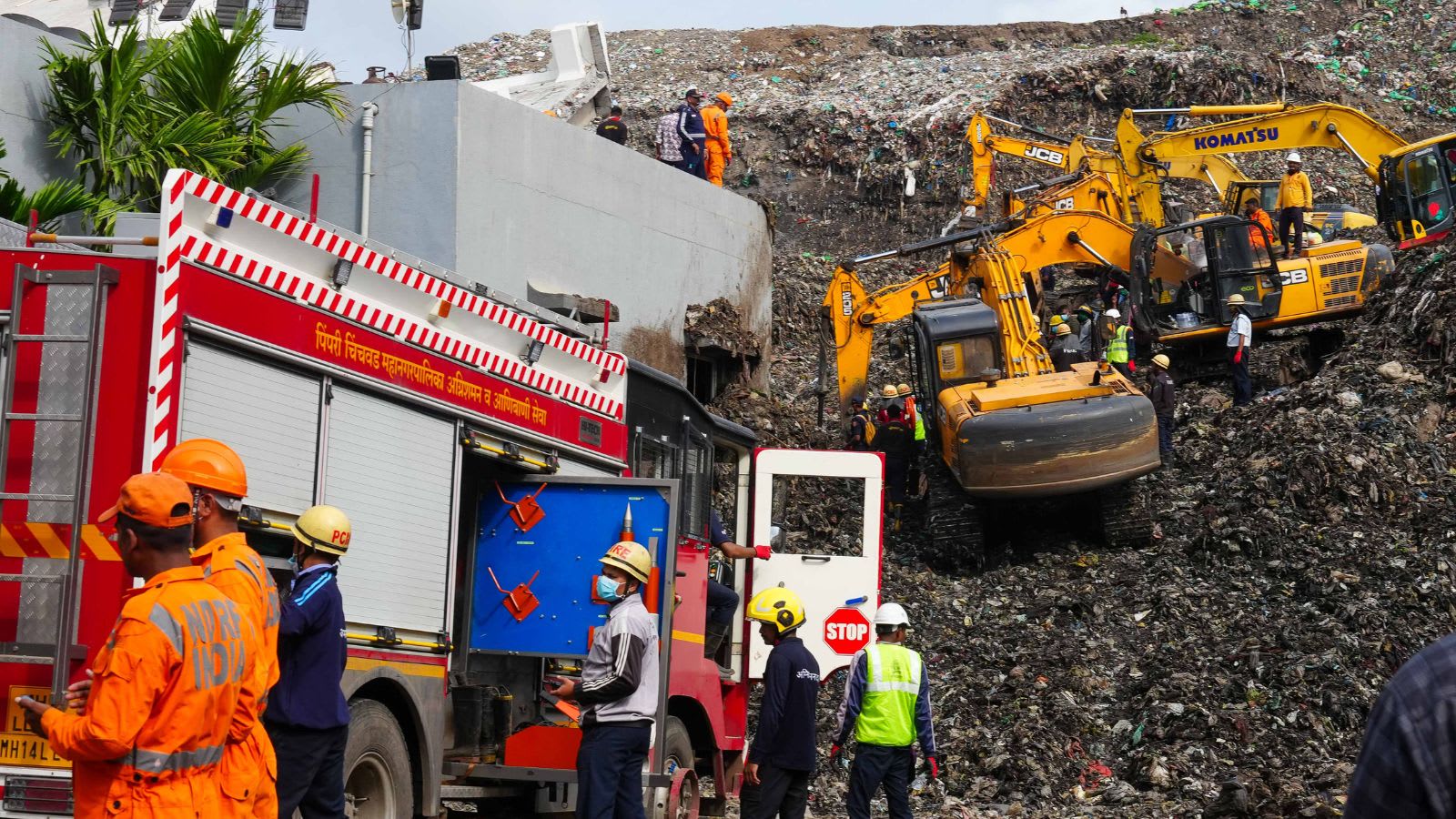
Pimpri-Chinchwad Municipal Commissioner Vijay Suryavanshi on Monday issued show cause notices to Sanjay Kulkarni, Chief Engineer who also heads the civic environment and engineering department and exe...
Tragedy at Moshi Garbage Depot: A Failure of Oversight
The recent catastrophe at the garbage depot in Moshi has sent shockwaves through the Pimpri-Chinchwad Municipal Corporation (PCMC), resulting in the tragic loss of nine lives. The severity of the incident has prompted immediate administrative action, with Municipal Commissioner Vijay Suryavanshi issuing show cause notices to high-ranking officials, including Sanjay Kulkarni, the Chief Engineer and head of the civic environment and engineering department. This event highlights a critical intersection of industrial risk and administrative failure within municipal waste management systems.
Administrative Accountability and Negligence
The decision to issue show cause notices to the Chief Engineer indicates that the municipal leadership views this not as an unavoidable accident, but as a consequence of systemic negligence. In municipal governance, the head of the environment and engineering department is responsible for ensuring that waste disposal sites adhere to strict safety protocols. When nine individuals perish in a single mishap, it suggests a breakdown in safety audits, a lack of operational oversight, or the ignoring of previous warnings regarding site stability and worker safety. The legal pursuit of 'negligence' charges serves as a necessary mechanism to hold public servants accountable for the safety of those working in hazardous municipal environments.
The Inherent Risks of Waste Management
Waste depots, particularly in rapidly urbanizing areas like Pimpri-Chinchwad, are high-risk zones. These sites often face issues such as unstable waste mounds (leading to landslides), the accumulation of methane gas which can cause explosions, and the operation of heavy machinery in congested spaces. The Moshi mishap is a grim reminder that waste management is not merely a logistical challenge but a high-stakes safety operation. When safety margins are squeezed to accommodate increasing volumes of urban waste, the probability of a catastrophic failure increases exponentially, often claiming the lives of low-wage contractual workers who are most exposed to these risks.
Urbanization and Infrastructure Strain in PCMC
This incident must be viewed within the broader context of the Pimpri-Chinchwad region's explosive growth. As one of India's premier industrial hubs, the pressure on the PCMC to manage vast quantities of municipal solid waste is immense. Often, the infrastructure for waste disposal fails to keep pace with the rate of urban expansion. The tragedy in Moshi likely reflects a broader trend where waste depots are pushed beyond their designed capacity, leading to precarious conditions. The struggle to balance rapid urban development with sustainable and safe waste disposal is a recurring theme in Indian metropolitan governance.
Legal Implications and Precedents
The charging of officials with negligence is a significant step toward establishing a culture of accountability. Historically, municipal accidents have often been dismissed as 'unfortunate events' with little recourse for the victims' families. By targeting the leadership—specifically the Chief Engineer—the PCMC is signaling that technical oversight is a legal obligation, not just a managerial one. This could set a precedent for other municipal bodies across Maharashtra, forcing a shift from reactive crisis management to proactive risk mitigation and stringent adherence to safety codes.
Future Trends and Preventative Mandates
Moving forward, this tragedy will likely catalyze a shift toward the modernization of waste handling in the region. We can expect a push for the implementation of scientific landfill management, the use of automated monitoring systems to detect site instability, and the introduction of mandatory safety certifications for all personnel operating at depot sites. Furthermore, there will likely be an increased demand for third-party safety audits to ensure that municipal engineers are not simply 'marking boxes' but are genuinely securing the environment. The transition from traditional dumping to integrated waste processing is no longer just an environmental goal but a humanitarian necessity.
Summary
The Moshi garbage depot mishap is a stark illustration of how administrative negligence can lead to mass casualties in essential urban services. With nine dead and senior officials under fire, the event underscores the urgent need for the Pimpri-Chinchwad Municipal Corporation to overhaul its safety protocols and prioritize the lives of its workers over operational expediency. The outcome of the show cause notices will determine whether this event leads to genuine systemic reform or remains another tragic footnote in urban mismanagement.