How Israel's Mossad tried to recruit Iran's former president Ahmadinejad
Source Entity
TOI WORLD DESK
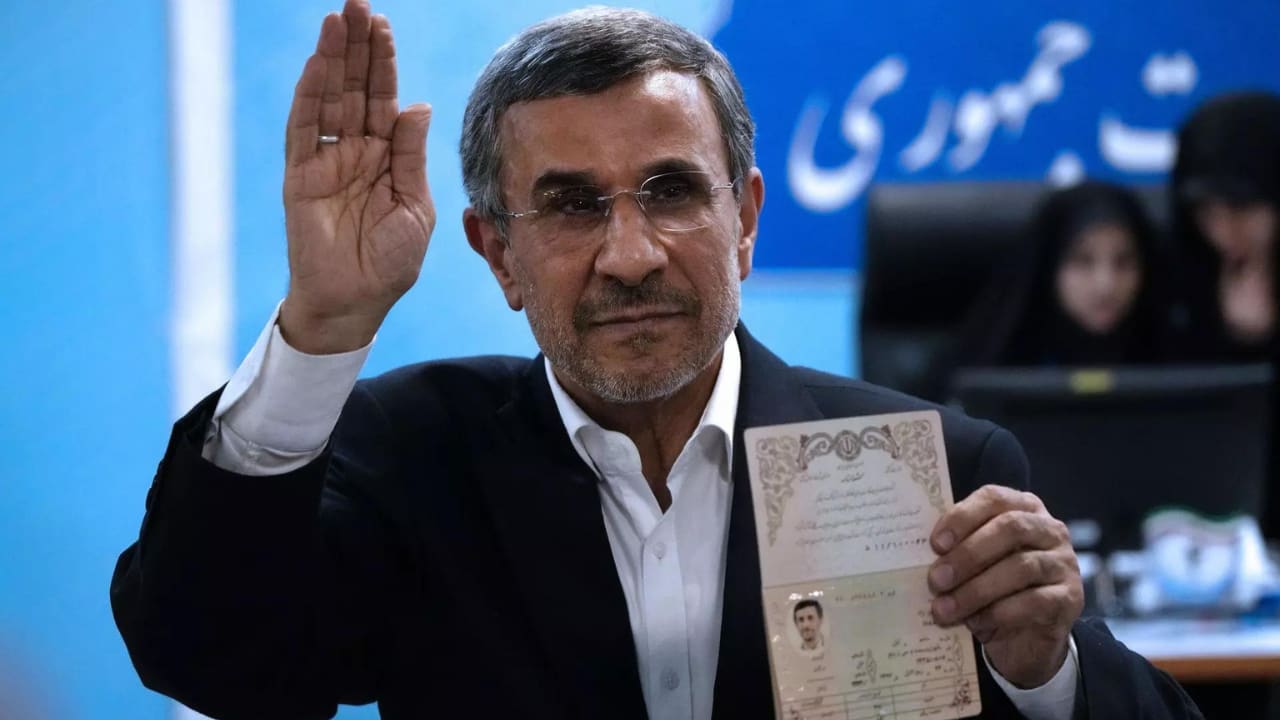
Israel's Mossad reportedly sought to recruit Mahmoud Ahmadinejad for regime change. Secret meetings and financial aid were allegedly provided to the former Iranian president. An attempted extraction from Tehran failed after Ahmadinejad grew dissatisfied with the plan. Iranian authorities later placed Ahmadinejad under house arrest after uncovering his alleged contacts. No official confirmations have been issued by either involved nation.
The Shadow War: Mossad's Alleged Recruitment of Mahmoud Ahmadinejad
The reported attempt by Israel's Mossad to recruit former Iranian President Mahmoud Ahmadinejad represents one of the most audacious alleged intelligence operations in the ongoing shadow war between Israel and the Islamic Republic of Iran. This operation, aimed at facilitating a regime change from within, underscores the lengths to which intelligence agencies will go to destabilize adversarial regimes. By targeting a former head of state, Mossad sought not just intelligence, but a figurehead with enough internal legitimacy and knowledge of the state apparatus to catalyze a systemic collapse or a pivot in Iranian governance.
The Mechanics of Clandestine Recruitment
According to the reports, the recruitment process involved a sophisticated combination of secret meetings and substantial financial incentives. The goal was to leverage Ahmadinejad's perceived dissatisfaction with the current Iranian leadership to turn him into a high-level asset. In the world of espionage, recruiting a 'big fish'—especially a former president—provides an agency with an unprecedented window into the inner workings of a regime's security architecture and political vulnerabilities. The provision of financial aid was likely intended to secure loyalty and provide the means for Ahmadinejad to operate covertly within Tehran, creating a bridge between the exiled opposition and the internal power structure.
The Failure of the Extraction Operation
One of the most critical phases of the operation was the attempted extraction of Ahmadinejad from Tehran. An extraction is the highest-risk maneuver in intelligence, requiring precise timing and flawless execution to move a high-value target across hostile borders. However, the report indicates that the operation failed because Ahmadinejad grew dissatisfied with the plan. This highlight a recurring challenge in intelligence: the volatility of human assets. High-profile figures often struggle with the loss of power and status that accompanies defection, and any perceived misalignment in the terms of the 'deal' can lead to a sudden reversal of loyalty, turning a potential asset into a liability.
Internal Fallout and the Iranian Response
Following the discovery of these contacts, the Iranian authorities responded with characteristic severity, placing Ahmadinejad under house arrest. This development reflects the deep paranoia and rigorous internal surveillance maintained by the Islamic Revolutionary Guard Corps (IRGC) and the Ministry of Intelligence. The shift from Ahmadinejad being a symbol of the regime's defiance to a suspected traitor illustrates the precarious nature of power within the Iranian political system. His house arrest serves as a warning to other elites that no amount of previous service to the state provides immunity from suspicions of foreign collusion.
Historical Context of Israeli-Iranian Intelligence Warfare
To understand this event, one must view it within the broader context of Israel's 'Campaign Between the Wars.' For decades, Mossad has employed a strategy of targeted assassinations, cyber-sabotage (such as the Stuxnet worm), and the theft of nuclear archives to cripple Iran's strategic capabilities. The attempt to recruit Ahmadinejad marks a strategic shift from purely technical or tactical sabotage toward 'political warfare.' By attempting to flip a top-tier official, Israel signaled a desire to move beyond delaying Iran's nuclear ambitions toward the more ambitious goal of total regime transformation.
Future Implications for Geopolitical Stability
Looking forward, this incident suggests that the battle for Iran's future will increasingly be fought in the corridors of power through clandestine recruitment and psychological operations. As the Iranian regime faces mounting internal pressure and economic instability, the incentive for high-ranking officials to seek 'exit strategies' via foreign intelligence agencies will likely increase. However, the failure of the Ahmadinejad operation also demonstrates the extreme difficulty of extracting key figures from a highly securitized state. Future operations will likely lean more heavily on digital influence and the cultivation of internal dissent rather than the physical extraction of leaders.
Conclusion
While neither Israel nor Iran has officially confirmed these events, the narrative reveals the high-stakes gamble inherent in intelligence operations. The alleged attempt to recruit Mahmoud Ahmadinejad exemplifies the intersection of personal ambition and geopolitical strategy. Ultimately, the failure of the mission and the subsequent house arrest of the former president underscore the resilience of Iran's internal security apparatus and the immense difficulty of engineering regime change through the recruitment of a single, volatile individual.