The Moto Watch Ultra is a return to Wear OS
Source Entity
Dominic Preston
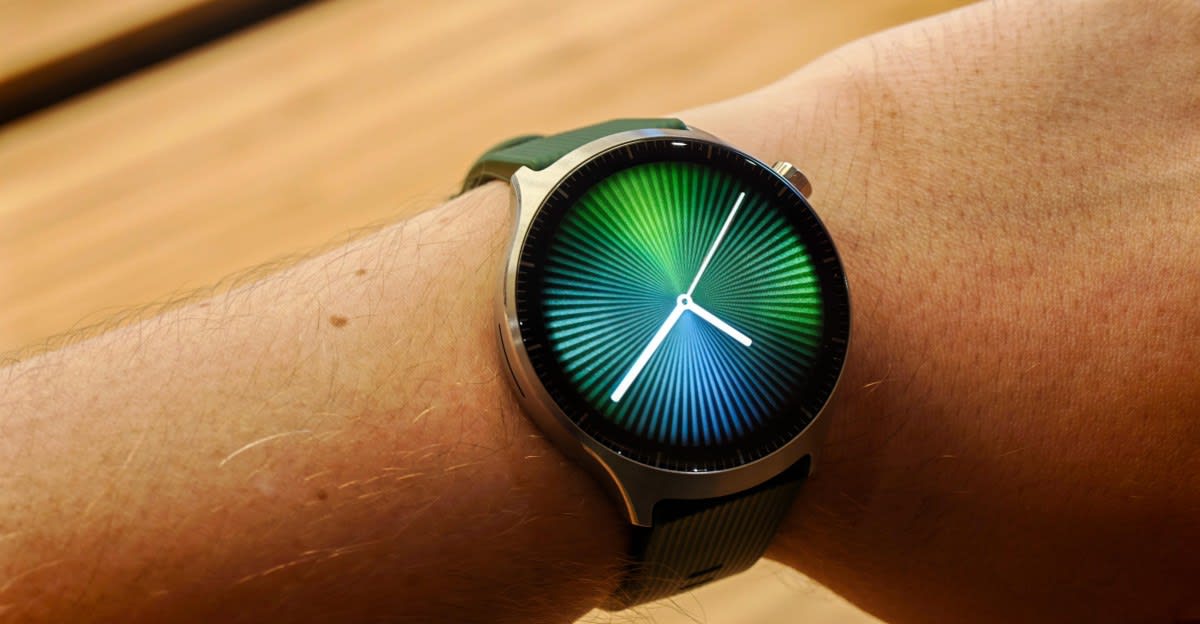
Motorola has launched the Moto Watch Ultra, marking a strategic shift to Google's Wear OS platform. Powered by the Snapdragon W5 Plus Gen 1 chip, this premium device aims to compete in the smartwatch market.
Motorola's Strategic Pivot to Wear OS
Motorola’s recent announcement of the Moto Watch Ultra signifies a major strategic shift in the company’s wearable technology roadmap. After a period of utilizing custom operating systems for its entry-level smartwatches, the company is pivoting toward Google’s Wear OS for its latest premium offering. This transition is essential for Motorola as it seeks to align itself with the broader Android ecosystem, providing users with the robust app support and integration that only Google’s platform can reliably deliver.
Hardware Capabilities and Performance
At the heart of the Moto Watch Ultra lies the Snapdragon W5 Plus Gen 1 processor. This chipset is a significant upgrade, designed specifically to balance high-end performance with power efficiency. By choosing this silicon, Motorola is positioning the Ultra as a direct competitor to other premium devices in the Android space. The combination of the W5 Plus Gen 1 and Wear OS creates a fluid user experience that previous, custom-OS iterations of the Moto Watch simply could not match.
The Premium Ambition
By branding this device as an 'Ultra,' Motorola is clearly signaling its intent to capture the high-end segment of the smartwatch market. This move comes mere months after the company re-entered the wearables space, indicating a rapid acceleration in their product development cycle. The company is betting that the premium build quality and the software versatility of Wear OS will attract consumers looking for a sophisticated, daily-driver wearable rather than a niche gadget.
Market Positioning vs. Industry Giants
Despite the premium branding, the Moto Watch Ultra faces a steep climb. While it successfully transitions to a more capable operating system, the current iteration reportedly lacks the specialized, ruggedized outdoorsy features found in the flagship 'Ultra' models from Samsung and Apple. This creates a distinct market gap; Motorola is offering a premium urban or lifestyle smartwatch, but it may not yet satisfy the demands of extreme outdoor enthusiasts who require specialized durability and tracking sensors.
Future Trends and Implications
The move to Wear OS suggests that Motorola is committed to long-term software support and developer compatibility. Looking ahead, the success of this device will likely hinge on how well Motorola can iterate on its software implementation and whether it plans to expand its feature set to include the rugged capabilities that define the current 'Ultra' category. This launch serves as a crucial test to see if Motorola can maintain its momentum in the competitive wearable market while establishing a distinct identity separate from the industry leaders.
Conclusion
The Moto Watch Ultra represents a refined, performance-oriented evolution for Motorola. By embracing the power of the Snapdragon W5 Plus Gen 1 and the versatility of Wear OS, the company has created a compelling device for the average premium consumer. While it currently stops short of challenging the extreme sports-focused smartwatches, it provides a solid foundation for future growth in the high-end wearable sector.