Movement Labs files for Chapter 11 bankruptcy after months of MOVE token turmoil
Source Entity
Cointelegraph by Nate Kostar
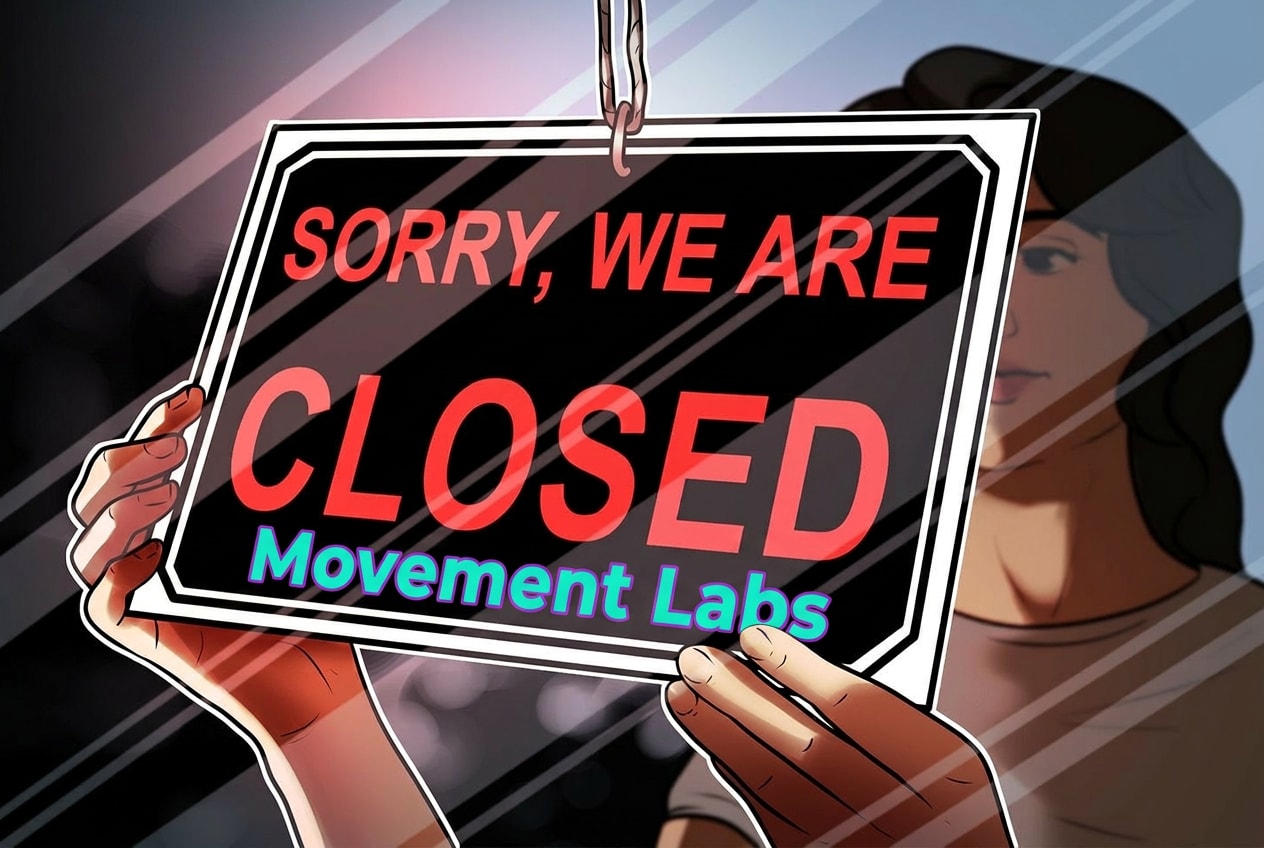
Movement Labs has filed for Chapter 11 bankruptcy in Delaware to restructure its operations following a series of market scandals and token turmoil. The firm aims to continue its blockchain development under court supervision while managing its legal and financial obligations.
The Collapse of Movement Labs: A Bankruptcy Analysis
Movement Labs, the primary developer behind the Movement Ethereum layer-2 blockchain, has officially filed for Chapter 11 bankruptcy protection in the U.S. Bankruptcy Court for the District of Delaware. This filing, submitted on July 15, marks a significant turning point for the project, which has been embroiled in months of instability. By utilizing Subchapter V, a streamlined reorganization process specifically designed for small businesses, the company aims to stabilize its operations while addressing the deep-seated financial and structural issues that have plagued its recent history.
The Anatomy of a Market Crisis
The decision to seek court protection follows a tumultuous period characterized by a severe market-making scandal that eroded investor confidence. This, coupled with the suspension of a key co-founder and subsequent delistings from major digital asset exchanges, created a liquidity and reputational crisis that proved difficult to overcome. The turmoil surrounding the project's MOVE token reflects broader volatility within the layer-2 scaling space, where project integrity and transparent market-making practices are essential to maintaining ecosystem trust.
Operational Continuity Under Supervision
Despite the bankruptcy filing, Movement Labs is not ceasing operations. On Monday, the court granted interim approval for the company to maintain its existing bank accounts and cash management systems. Furthermore, the court authorized the firm to obtain debtor-in-possession (DIP) financing. This critical step ensures that the company has the necessary liquidity to continue its day-to-day operations and fund the restructuring process, providing a lifeline that could potentially allow the project to reorganize its debts and emerge as a viable entity.
Broader Implications for Layer-2 Blockchains
The situation at Movement Labs highlights the risks inherent in the rapid development of Ethereum layer-2 scaling solutions. As the competition among L2 providers intensifies, the pressure to maintain token value and market liquidity can often lead to aggressive and, at times, unsustainable market-making strategies. When these strategies fail, the impact on developers and token holders can be catastrophic, often leading to the exact scenario of exchange delistings and loss of market access seen here.
Future Outlook and Industry Trends
Looking ahead, the success of Movement Labs' restructuring will depend heavily on the transparency of its reorganization plan and its ability to regain the trust of the blockchain community. The use of Subchapter V suggests a desire for a swift resolution, but the road to recovery remains steep given the damage to the MOVE token's market standing. This case serves as a cautionary tale for the industry, underscoring the necessity of robust governance and ethical financial management in the volatile landscape of decentralized finance. The industry will likely watch closely as the Delaware court oversees the process, as the outcome may set a precedent for how distressed blockchain startups handle insolvency in the future.