MPs to vote on legalising assisted dying in England and Wales
Source Entity
BBC News
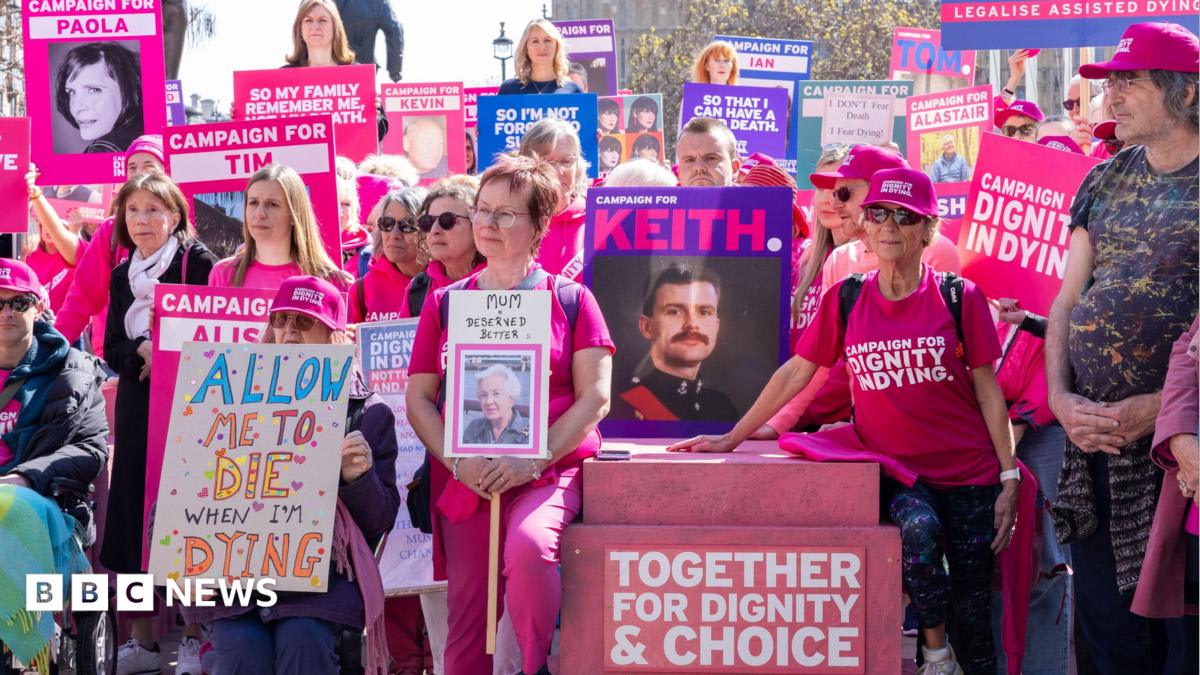
MPs in England and Wales are set to vote on a pivotal assisted dying bill this Friday. The outcome remains uncertain, with potential for further legislative hurdles even if the bill passes its second reading.
The Legislative Crossroads of Assisted Dying in England and Wales
The Current Legislative Context
As the UK Parliament prepares for a critical second reading debate, the proposal to legalize assisted dying in England and Wales has returned to the forefront of national discourse. This legislative effort represents a significant attempt to modernize end-of-life care laws, following a period where similar proposals faced stalling tactics by peers. The upcoming vote is not merely a procedural step but a fundamental test of parliamentary consensus on one of the most sensitive ethical issues in contemporary governance.
The Mechanics of the Vote
On Friday, MPs are tasked with debating the core principles of the bill, with voting mandates set to commence before 14:30 BST. This stage is crucial; a "yes" vote would signify that the bill has cleared its first major hurdle, allowing it to proceed to the committee stage where specific amendments can be scrutinized. However, the legislative journey is far from guaranteed. The process is inherently fragile, as a favorable vote at this second reading does not legally bind MPs to support the final bill during the third reading.
The Uncertainty of Parliamentary Support
Political analysts and stakeholders on both sides of the debate anticipate an exceptionally close result. Because the debate is scheduled for a Friday—a day when MPs are typically expected to be in their constituencies—the final outcome may depend heavily on physical attendance and the ability of party whips to secure the presence of their members. This logistical reality adds a layer of volatility to the proceedings, where the absence of a few key voices could determine the fate of the entire bill.
Implications of a Potential Defeat
Should the bill fail to secure a majority, the legislative effort will effectively collapse. Proponents, however, have already signaled their intent to remain undeterred, stating that they would pursue further attempts to pass similar legislation as soon as possible. This highlights the long-term, persistent nature of the movement for assisted dying reform, suggesting that regardless of Friday's outcome, the debate is unlikely to disappear from the parliamentary agenda.
Broader Policy Considerations
The debate over assisted dying necessitates a delicate balance between personal autonomy and the state’s duty of care. As MPs weigh the arguments, they are essentially defining the legal boundaries of compassion and medical ethics. The transition from the second reading to potential amendments reflects the complexity of drafting legislation that satisfies both the need for individual choice and the necessity of robust safeguards to prevent abuse.
Conclusion: A Defining Moment
Ultimately, this Friday’s vote serves as a litmus test for the current Parliament’s appetite for social reform. Whether the bill proceeds to the committee stage or is defeated, the result will have profound implications for the legal landscape of England and Wales. The outcome will be watched closely by the public, medical professionals, and advocacy groups, as it stands to reshape the legal framework governing the final stages of human life.