UP to give interest-free loans of up to ₹1lakh to 1 crore women
Source Entity
Latest News: Todays Latest News Headlines from India & World | Hindustan Times | Hindustan Times
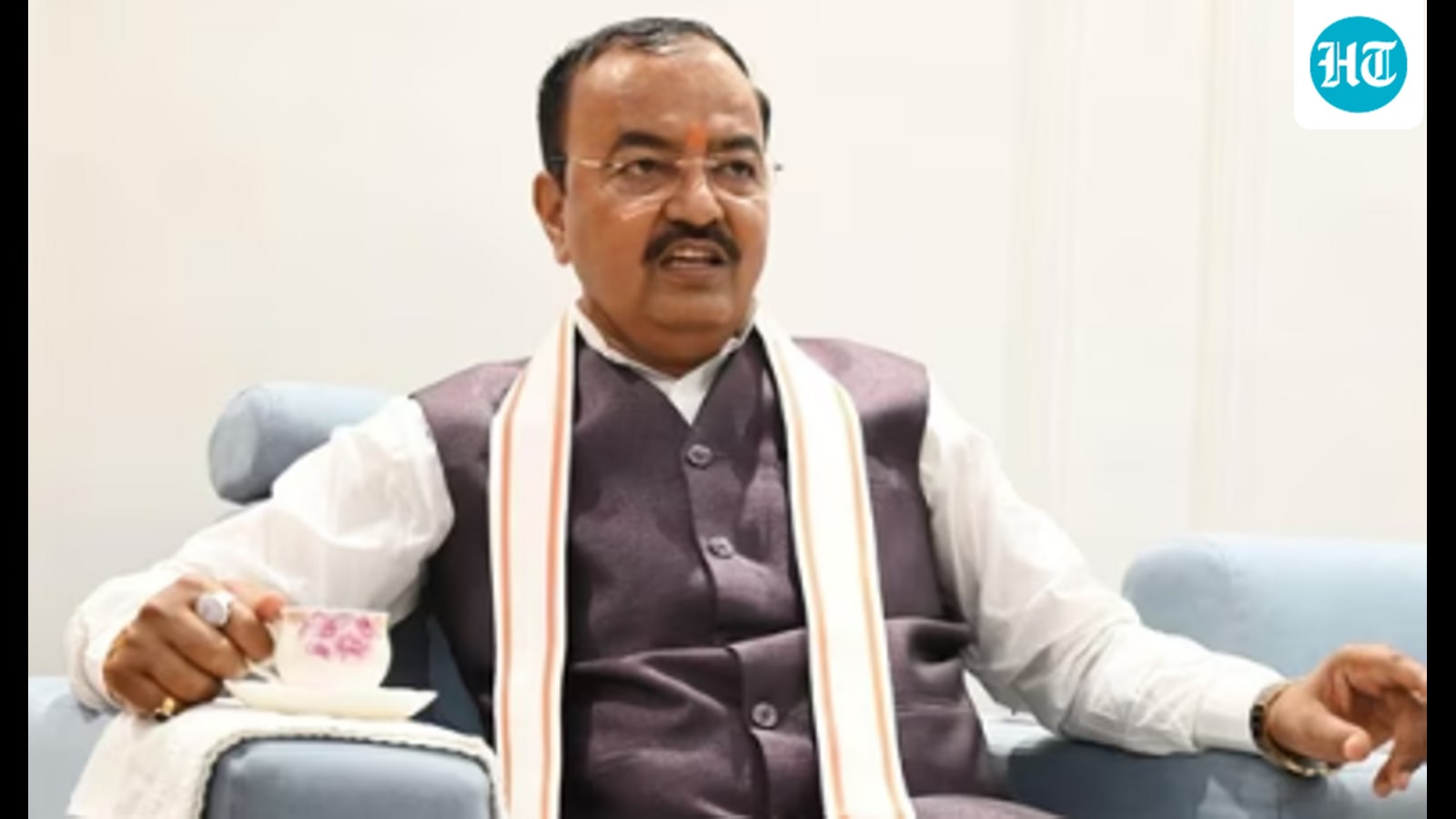
The Uttar Pradesh government is launching the Mahila Udyami Credit Yojana to provide interest-free loans of up to ₹1 lakh to 10 million women. This initiative aims to support small business ventures through the State Rural Livelihood Mission in a phased, tiered repayment structure.
Empowering Women Entrepreneurs in Uttar Pradesh
The Uttar Pradesh government has announced the upcoming launch of the Mahila Udyami Credit Yojana, a strategic financial initiative aimed at fostering economic independence among women across the state. Deputy Chief Minister Keshav Prasad Maurya revealed that the program intends to reach approximately 10 million women, specifically targeting those already associated with self-help groups (SHGs) under the Uttar Pradesh State Rural Livelihood Mission (UPSRLM). By providing interest-free capital, the state aims to catalyze the growth of micro-enterprises and improve the overall socioeconomic standing of rural households.
A Phased Financial Approach
To ensure fiscal responsibility and encourage credit discipline, the government has structured the funding into a tiered model. Eligible participants will receive an initial loan of ₹20,000 to kickstart their business activities. Upon the successful and timely repayment of this first tranche, borrowers will become eligible for a second loan of ₹30,000. Following the clearance of the second debt, a final tranche of ₹50,000 will be accessible, bringing the total cumulative assistance to ₹1 lakh. This incremental approach is designed to build business capacity gradually while minimizing the risk of defaults.
Socioeconomic Implications and Rural Growth
This scheme is a significant intervention in the rural economy, where access to formal credit remains a persistent barrier for small-scale entrepreneurs. By bypassing interest burdens, the government is effectively lowering the cost of doing business for women in marginalized or rural sectors. The integration with the existing UPSRLM infrastructure suggests that the government intends to leverage established community networks to ensure the effective distribution and monitoring of these funds, potentially strengthening the role of SHGs as pillars of local economic development.
Political Context and Election Timing
Observers have noted that this announcement comes ahead of the 2027 assembly elections in Uttar Pradesh. Such large-scale welfare programs often serve as a dual-purpose mechanism: providing tangible economic relief to a massive demographic—10 million women—while simultaneously solidifying voter support within the rural heartlands. The focus on women-led economic growth is a central tenet of modern governance strategies, as it directly impacts household consumption and community stability.
Future Trends in Microfinance
If successful, the Mahila Udyami Credit Yojana could set a precedent for state-led microfinance initiatives in India. By focusing on the 'repayment-linked' model, the government is shifting the focus from pure grant-based welfare to a credit-based empowerment model. This fosters a culture of entrepreneurship rather than dependency. Future trends in this space will likely depend on the efficiency of the disbursement process and the availability of mentorship or skill-development programs to ensure that these micro-businesses remain viable in an increasingly competitive market.
Conclusion
In summary, the Mahila Udyami Credit Yojana represents a significant commitment to rural economic development through targeted financial assistance. By utilizing a tiered, interest-free loan structure, the Uttar Pradesh government is attempting to balance social welfare with economic sustainability. As the state moves toward the 2027 electoral cycle, the success of this program will be measured not only by the number of loans disbursed but by the long-term impact these funds have on the entrepreneurial capacity of women across the state.
Verification Required?