Temporary bridge for Mumbai-Ahmedabad bullet train project washed away in Thane rain
Source Entity
Ishika Gupta
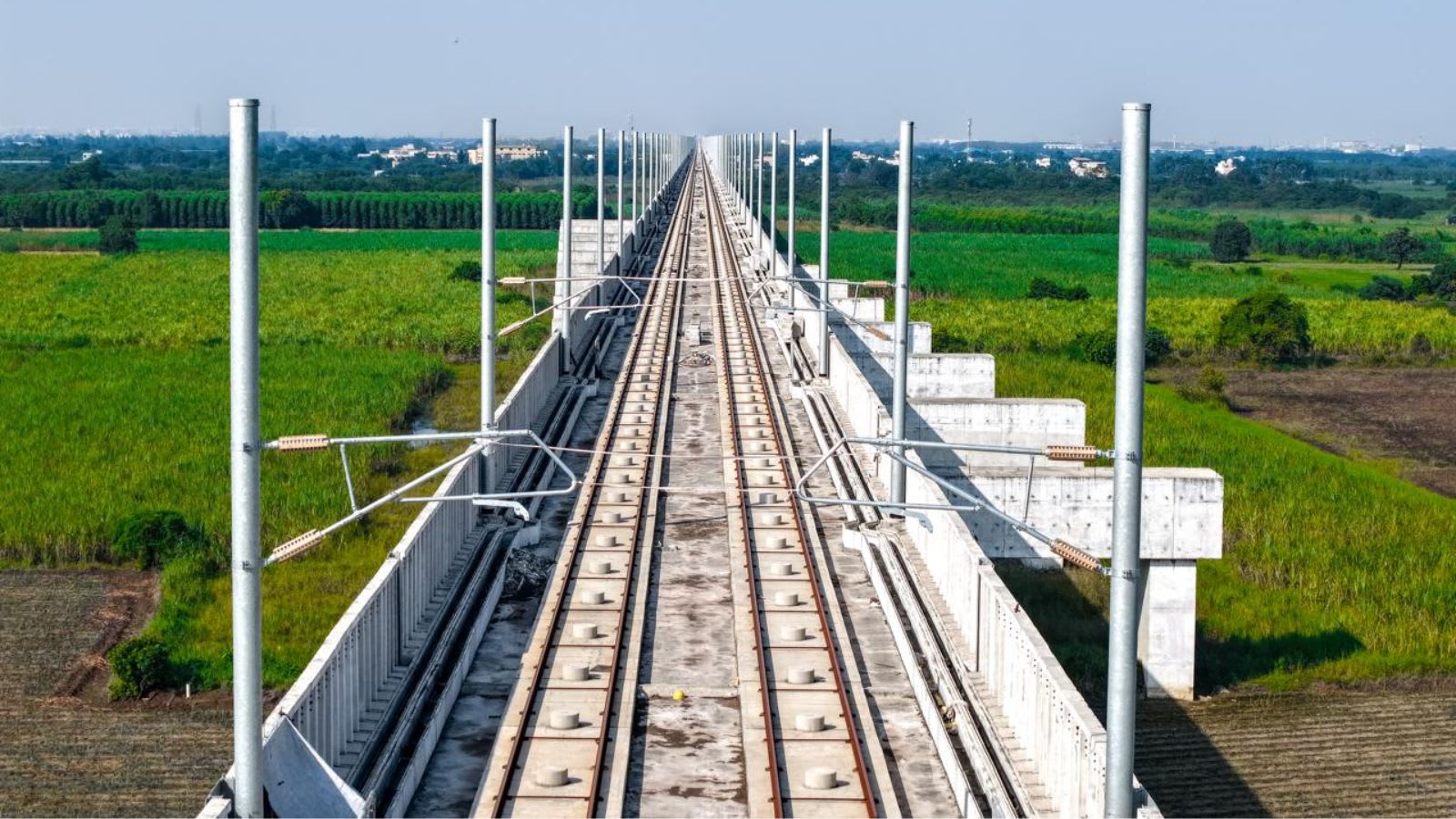
A temporary bridge constructed for the Mumbai-Ahmedabad High Speed Rail (MAHSR) project was washed away due to heavy monsoon rains in Thane, highlighting the logistical challenges faced by India's first bullet train project.
Infrastructure Vulnerability: The Impact of Monsoon on the MAHSR Project
The Mumbai-Ahmedabad High Speed Rail (MAHSR) corridor, a flagship project representing India's leap into high-speed rail technology, has encountered a significant localized setback. In Thane, heavy monsoon showers led to the washing away of a temporary bridge essential for the project's construction logistics. While the structure was not a permanent part of the final rail alignment, its collapse underscores the extreme environmental challenges that infrastructure projects in the Maharashtra region must navigate, particularly during the volatile monsoon season.
Logistical Disruptions and Site Management
Temporary bridges are critical arteries in mega-projects like the MAHSR, serving as the primary means for transporting heavy machinery, pre-cast segments, and raw materials to specific work zones. The loss of this bridge in Thane creates an immediate bottleneck in the supply chain for that specific section of the corridor. Beyond the physical loss of the structure, the incident necessitates a complete safety audit of all temporary works in the vicinity to ensure that other makeshift bridges or scaffolding are not similarly compromised by saturated soil and high-velocity water runoff.
The Challenge of the Maharashtra Monsoon
Thane and the broader Mumbai Metropolitan Region are characterized by intense precipitation patterns that can overwhelm drainage systems and erode soil stability rapidly. For the National High Speed Rail Corporation Limited (NHSRCL), managing construction in this geography requires more than just advanced engineering for the final product; it requires rigorous 'climate-proofing' of the construction phase itself. The incident highlights a recurring tension in Indian infrastructure: the drive to meet aggressive deadlines versus the unpredictable nature of the regional climate, which often forces a slowdown or causes damage to works-in-progress.
Strategic Context of the MAHSR Corridor
Launched in 2017, the 508 km MAHSR project is more than just a transport link; it is a strategic collaboration with Japan, utilizing Shinkansen technology. The corridor is designed to drastically reduce travel time between India's financial capital, Mumbai, and the commercial hub of Ahmedabad. However, the project has faced a gauntlet of challenges, from complex land acquisition battles in Maharashtra to the engineering feat of constructing an undersea tunnel. A setback in Thane, while small in the context of the entire 508 km stretch, adds to the cumulative pressure on the project's timeline.
Engineering Implications and Future Mitigation
This event will likely prompt a review of the design standards for temporary structures used across the corridor. To prevent future occurrences, engineers may need to implement more robust hydrological modeling to predict peak water levels during extreme rain events. The integration of real-time water-level sensors and early-warning systems at construction sites could allow for the preemptive evacuation of equipment and personnel, minimizing financial loss and ensuring worker safety during the monsoon months.
Conclusion: Balancing Ambition with Environmental Reality
In summary, the washing away of the temporary bridge in Thane is a stark reminder that the path to modernization is fraught with environmental hurdles. While the MAHSR project continues to be a symbol of India's industrial ambition, its success depends on the ability of planners to adapt to the local terrain and climate. As the project moves forward, the lessons learned from this incident will be vital in ensuring that the transition from temporary construction to a permanent high-speed rail network is resilient, safe, and sustainable.