Mumbai air is turning toxic: Why is civic body holding back construction ban?
Source Entity
Pratip Acharya
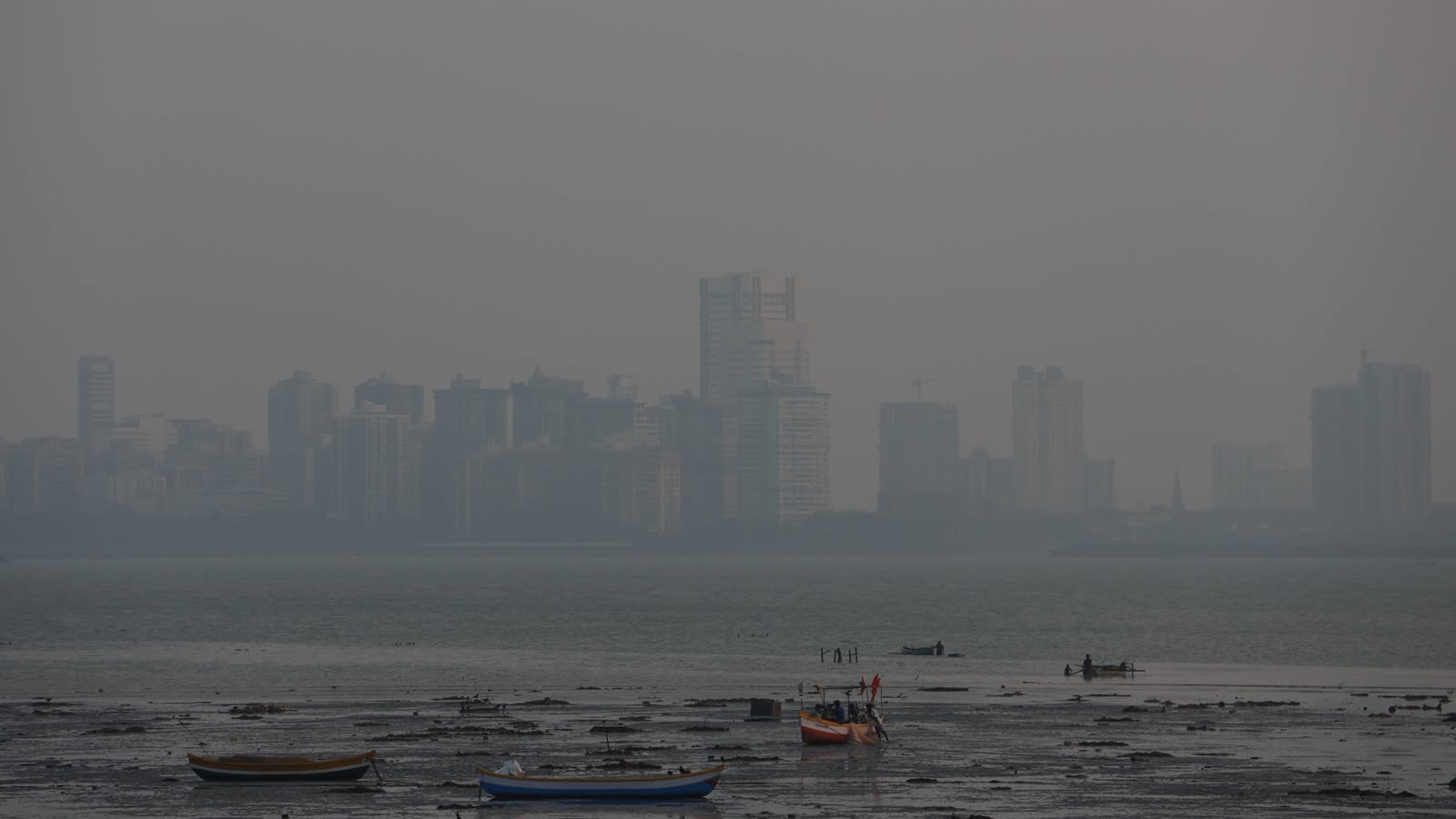
Mumbai's air quality has frequently breached the 'Poor' threshold, yet the BMC has failed to enforce mandatory construction halts. This inaction highlights a critical gap between the city's Graded Response Action Plan and actual environmental enforcement.
Mumbai's Air Quality Crisis: A Failure of Policy Enforcement
The Growing Threat of Toxic Air
As Mumbai faces an escalating environmental crisis, recent data from the Central Pollution Control Board (CPCB) paints a troubling picture of the city's respiratory health. Numerous pockets across the metropolitan region have recorded Air Quality Index (AQI) levels exceeding 200 for three or more consecutive days multiple times this month. According to the CPCB, an AQI between 201 and 300 is classified as 'Poor,' a level that poses significant health risks to the general population, particularly those with pre-existing respiratory or cardiovascular conditions.
The Graded Response Action Plan (GRAP) Mandate
In December 2024, the Brihanmumbai Municipal Corporation (BMC) introduced a Graded Response Action Plan (GRAP), a policy framework designed to combat rising pollution levels proactively. A core pillar of this plan is the mandatory cessation of construction activities in any zone where the AQI remains above 200 for three consecutive days. This regulation was intended to serve as a vital circuit breaker to prevent dust and particulate matter from exacerbating the city’s already stagnant air quality.
The Discrepancy Between Policy and Practice
Despite the clear stipulations set forth in the December 2024 notification, the BMC has faced mounting criticism for its apparent reluctance to halt construction projects. While the data confirms that the threshold for intervention has been met repeatedly, the lack of enforcement suggests a disconnect between administrative policy and field-level execution. This delay raises serious questions regarding the prioritization of urban development over public health and environmental safety.
Broader Implications for Urban Health
The failure to enforce these bans has long-term implications for Mumbai’s public health infrastructure. Prolonged exposure to 'Poor' air quality contributes to chronic respiratory illnesses, reduced lung function in children, and increased mortality rates among vulnerable elderly populations. By allowing construction to continue unabated despite evidence of hazardous conditions, the civic body risks turning a manageable seasonal challenge into a systemic health crisis.
Historical Context and Future Trends
Historically, Mumbai has enjoyed better air quality than other major Indian metros like Delhi, largely due to its coastal geography. However, rapid, unregulated urbanization and a surge in construction projects have disrupted this natural advantage. If the BMC continues to ignore its own GRAP protocols, the city is likely to see further degradation of its air quality, potentially leading to more severe pollution events that will be harder to reverse. Future trends suggest that without stringent adherence to established environmental safeguards, the city will struggle to balance its economic growth with the basic right to clean air.